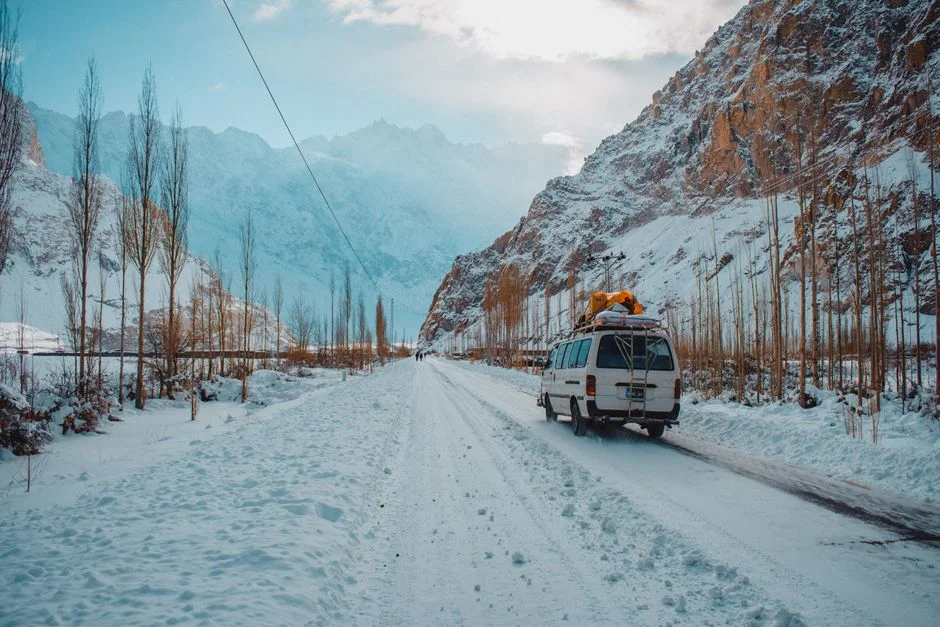
The Land Rover Defender has captured the imagination of South Africans, representing not just a vehicle but an embodiment of freedom and adventure. As demand for this rugged 4x4 increases, prices continue to rise, influencing the automotive market across the country.
Defender's Market Position in South Africa
The Defender, known for its exceptional off-road capabilities and distinctive design, has seen a substantial uptick in sales, with a reported increase of 25% in the last year alone. This surge has been particularly strong in urban centres like Johannesburg and Cape Town, where consumers are drawn to its versatility and style.
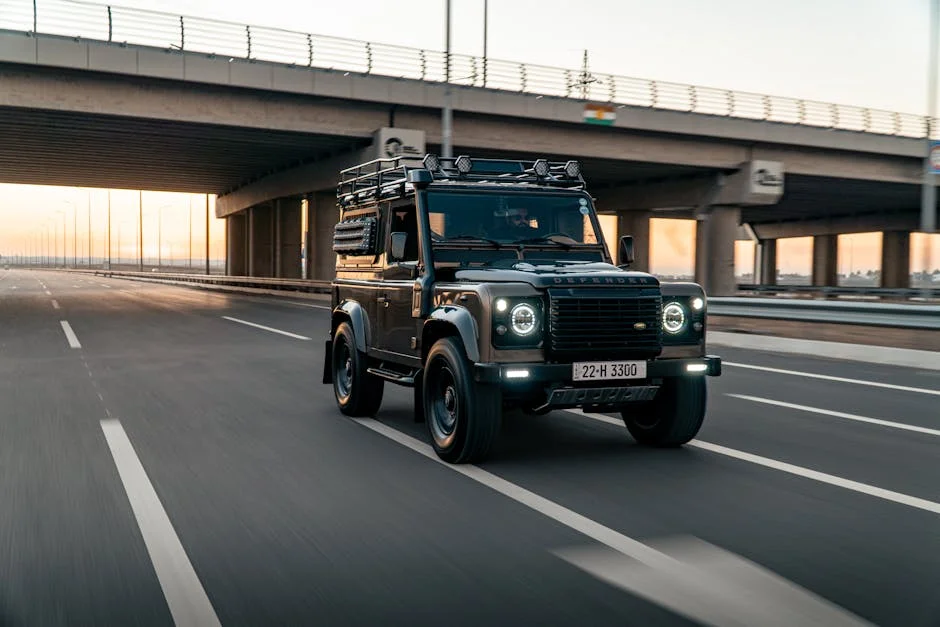
The vehicle's pricing, which starts around ZAR 1 million (approximately £50,000), positions it as a premium offering in the South African market. As the demand grows, Land Rover's production capabilities are likely to be tested, prompting discussions about supply chain management and potential delays in delivery times.
Business Implications for Automotive Manufacturers


This increasing popularity of the Defender impacts not only Land Rover but also competitors in the automotive sector. As more South Africans opt for high-end SUV models, brands such as Toyota and Ford are under pressure to elevate their offerings to capture market share. The shift towards premium vehicles could redefine consumer expectations and drive innovation across the sector.
With rising interest in luxury SUVs, manufacturers must consider the economic implications of shifting production resources and managing supply chains efficiently to meet consumer demand. As vehicles like the Defender become more entrenched in the market, the competition will likely lead to a more dynamic pricing strategy among automotive brands.
Investment Perspective: What Investors Should Watch
Investors in the automotive sector are closely monitoring the Land Rover Defender's rising sales as a key indicator of consumer sentiment. The trend towards premium vehicles suggests potential growth opportunities for investors focusing on luxury automotive markets, especially in regions like Southern Africa.
Analysts suggest that Land Rover’s parent company, Jaguar Land Rover (JLR), could see its stock performance positively impacted by the Defender's success. Particularly with their planned expansions and investment in electric vehicle technology, the momentum from the Defender could provide a pathway for JLR to enhance its market presence further.
Challenges Facing the Land Rover Defender
Despite its success, the Land Rover Defender faces significant challenges. Fluctuating currency exchange rates and rising inflation in South Africa could impact production costs, ultimately affecting retail prices. Land Rover will need to navigate these economic headwinds carefully to maintain its current trajectory in the face of potential price increases.
Moreover, competition from other luxury vehicle manufacturers could dilute the Defender's unique market position. Brands are investing heavily in technology and features that appeal to environmentally conscious consumers, potentially overshadowing the Defender's appeal.
Future Developments in the South African Automotive Sector
Looking ahead, analysts expect the South African automotive market to evolve with a clear tilt towards sustainability and innovation. As consumers become more discerning, brands will need to respond with vehicles that not only offer performance but also align with emerging environmental standards.
The upcoming vehicle launches and technological advancements in electric and hybrid vehicles will be essential to watch. In the next 12 to 24 months, manufacturers are likely to introduce models that bridge the gap between luxury and sustainability, setting new benchmarks in the industry.
Conclusion
The Land Rover Defender stands as a testament to the changing landscape of the automotive market in South Africa. As it continues to thrive amid fluctuating economic conditions, industry stakeholders must remain vigilant regarding shifts in consumer preferences and competitive dynamics.
The next few quarters will be crucial for automotive companies as they respond to both challenges and opportunities presented by the rising popularity of vehicles like the Defender, shaping the future of the market.
See Also
- Sophos Establishes South Africa Entity to Steer Africa Growth Push
- Trump Assures Continued UK Relations Despite Political Turmoil
Particularly with their planned expansions and investment in electric vehicle technology, the momentum from the Defender could provide a pathway for JLR to enhance its market presence further.Challenges Facing the Land Rover DefenderDespite its success, the Land Rover Defender faces significant challenges. Fluctuating currency exchange rates and rising inflation in South Africa could impact production costs, ultimately affecting retail prices.
What is the latest news about land rover defender surges in popularity as south africans seek freedom on wheels?
Why does this matter for economy-business?
What are the key facts about land rover defender surges in popularity as south africans seek freedom on wheels?