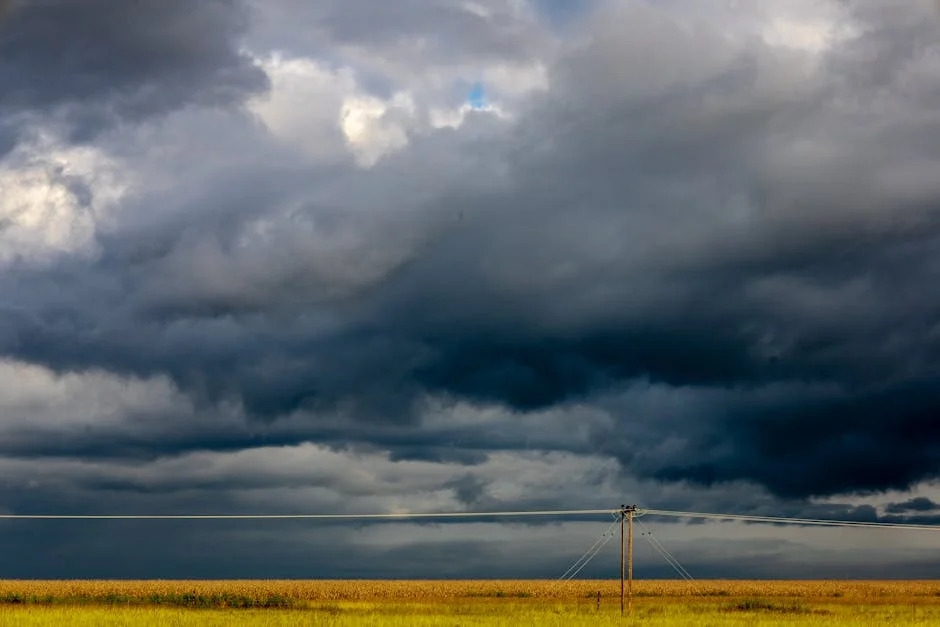
South Africa is set to experience severe cold weather, heavy rainfall, and significant snowfall starting this Sunday. The South African Weather Service (SAWS) issued a warning that temperatures could plummet by as much as 10 degrees Celsius in some regions, impacting both consumers and businesses alike.
Weather Forecast and Expected Impact
The SAWS announced that areas such as Gauteng, the Free State, and parts of the Eastern Cape will be particularly hard hit. Rainfall amounts could reach up to 50 millimetres in some areas, while snow is expected in mountainous regions. This extreme weather poses risks to transportation and logistics, potentially leading to supply chain disruptions.

Local farmers in the Free State region are preparing for potential crop damage due to the sudden cold snap. Experts caution that if temperatures drop significantly, crops like maize and sunflowers could suffer heavy losses. Agriculture is a key sector in South Africa, and any adverse effects can ripple through the economy.
Market Reactions and Business Implications


Financial markets have begun to react to the impending severe weather. Shares in agricultural sectors saw a dip on Wednesday, with the Farmers Union reporting a potential increase in food prices if crop yields are adversely affected. The rand has also shown volatility against the dollar as investors assess the economic implications of this weather situation.
Businesses that rely on transport and logistics may face delays and increased costs. Companies in the retail sector, especially those dealing in perishables, should anticipate challenges in maintaining supply chains. If these disruptions persist, they may lead to inflationary pressures in local markets.
Investment Perspective: What to Watch
Investors looking into South African markets should monitor developments closely. The agricultural sector's performance will be indicative of broader economic health. According to the South African Reserve Bank, any significant impact on food production could drive inflation rates higher, affecting consumer spending patterns.
Moreover, utilities and energy companies may see fluctuations in demand as households turn to heating during the cold weather. Companies like Eskom could face increased operational stress, raising questions about their capacity to meet demand amidst the potential for outages.
Government Response and Future Measures
The South African government has indicated that it is prepared to assist affected communities. The Department of Agriculture has mobilised resources to provide aid to farmers facing crop failures, and the Ministry of Transport is evaluating road conditions to ensure safety during the storm.
Looking ahead, the government plans to issue regular updates on weather conditions, which will be crucial for businesses and investors alike. The next two weeks will be vital for assessing the full impact of the cold snap and subsequent recovery strategies.
Conclusion: Preparing for Uncertainty
As South Africa braces for severe weather this weekend, the implications for markets, businesses, and investors are profound. Stakeholders should remain vigilant, monitoring both weather updates and economic data to navigate the uncertainty that lies ahead. The coming days will offer clearer insights into the extent of the weather's impact and the strategic responses necessary for recovery.
According to the South African Reserve Bank, any significant impact on food production could drive inflation rates higher, affecting consumer spending patterns.Moreover, utilities and energy companies may see fluctuations in demand as households turn to heating during the cold weather. The agricultural sector's performance will be indicative of broader economic health.
What is the latest news about south africa braces for severe cold and heavy snowfall this weekend?
Why does this matter for sports?
What are the key facts about south africa braces for severe cold and heavy snowfall this weekend?