With temperatures soaring across the United Kingdom, festival organisers and vendors are racing to adapt to the heatwave anticipated this summer. The Met Office has forecasted temperatures reaching 30°C in cities like London and Manchester, prompting a surge in festival attendance and necessary adjustments on the ground.
Increased Festival Attendance Expected
This summer, outdoor festivals are projected to attract record crowds, with ticket sales surging by 25% compared to last year. This boost comes as music lovers seek to bask in the sun while enjoying live performances. Major events such as the Glastonbury Festival, set to run from June 21-25, are particularly expected to benefit from the favourable conditions.
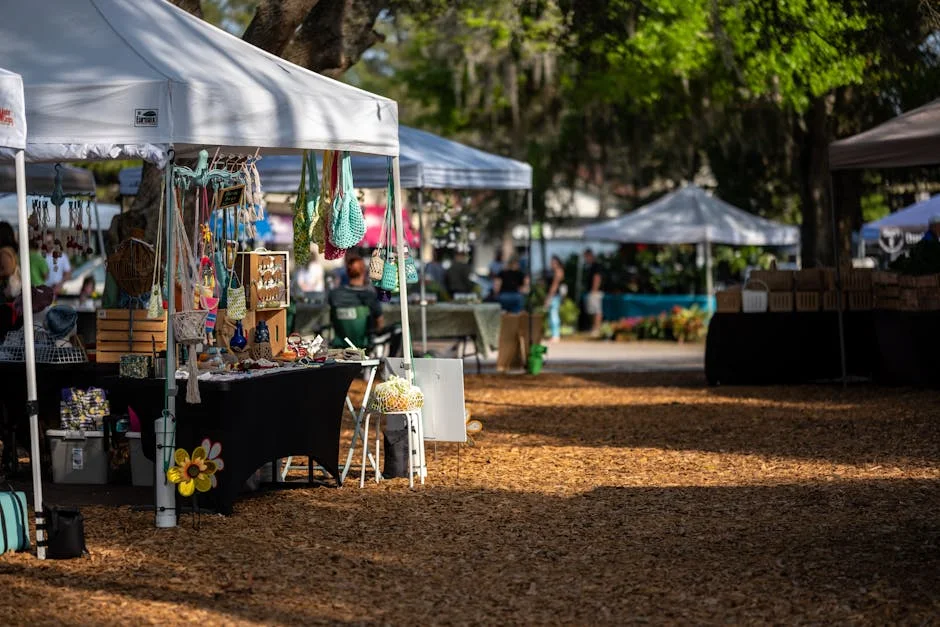
Experts suggest that the warm weather can significantly influence consumer behaviour, leading to higher spending at festivals. Businesses, from food stalls to merchandise vendors, are preparing for increased demand, anticipating that festival-goers will be more inclined to indulge in refreshments and souvenirs.
Shifts in Vendor Strategies
Vendors are adopting innovative strategies to combat the heat and enhance customer experience. Many are increasing their range of cold beverages, including iced coffees and chilled fruit juices, while food stall owners are introducing lighter meal options. Notably, the popular festival vendor, Street Eats, plans to offer a selection of fresh salads and smoothies at this year's events.
Additionally, some vendors are investing in cooling equipment, such as misting fans and portable air conditioning units, to keep their stalls comfortable for both staff and customers. This shift reflects a broader trend of businesses responding proactively to climate variations.
Impact on Ticket Prices
With the increase in demand and the added operational costs associated with extreme heat, some festivals are expected to see a rise in ticket prices. For instance, ticket prices for Glastonbury have already gone up by 10% this year, partly to cover enhanced cooling facilities and increased staffing needs.
This increase may provoke mixed reactions among festival-goers. While many are willing to pay more for a better experience, others may feel the pinch, leading some to seek alternative, less expensive options. The balance between customer satisfaction and operational costs is now more critical than ever.
The Economic Ripple Effect
The thriving festival scene has broader economic implications. Local economies often experience a boost during festival seasons, with increased foot traffic benefiting nearby businesses, restaurants, and hotels. The UK music industry, valued at £5.8 billion in 2022, is closely tied to these events, and this summer's projected uptick in attendance could significantly contribute to that figure.
Moreover, the increased demand for festival-related services may result in a short-term spike in employment opportunities. Temporary jobs at festivals, catering companies, and local businesses provide essential income for many in the gig economy.
Future Considerations for Regional Festivals
As summer progresses, festival organisers must remain vigilant regarding weather patterns. The potential for extreme heat presents ongoing challenges, including health risks for attendees. Festival-goers are encouraged to stay hydrated and seek shade, which has become a common theme in public health advisories issued by the NHS.
Looking ahead, innovative solutions such as shaded seating areas and hydration stations are likely to become standard features at outdoor festivals. As 2024's festival calendar quickly approaches, organisers will undoubtedly assess this summer's successes and challenges, adapting accordingly.
What to Watch Next
As the summer festival season unfolds, businesses and investors should keep an eye on consumer trends and ticket sales. Upcoming events, particularly Glastonbury and Reading Festival, will provide insight into market responsiveness to heatwave conditions. Understanding how this summer's dynamics will shape the future landscape of UK festivals could inform strategic planning across the sector.
See Also
- UK Horoscope Publishers Brace for June Traffic Surge as Gemini Season Begins
- Nike Partners with BTS to Launch Exclusive Merch — Boosting Brand Appeal