On Tuesday, a massive explosion in a rebel-held village in Myanmar claimed the lives of at least 50 individuals, marking one of the deadliest incidents in the ongoing conflict between the military and insurgents. The blast occurred in the Kayah State, an area often fraught with violence due to persistent clashes between armed groups and government forces. The devastating event is causing ripples in local and international markets, particularly concerning investments linked to the region.
Initial Response and Casualties
Local reports indicated that the explosion took place around midday in the village of Hpruso, where both civilians and insurgent members were believed to be gathered. Eyewitness accounts suggest that it was triggered by insurgent activities, though the details remain unclear. In a region where ethnic conflict has been a long-standing issue, the current situation underscores the precarious nature of security in Myanmar.
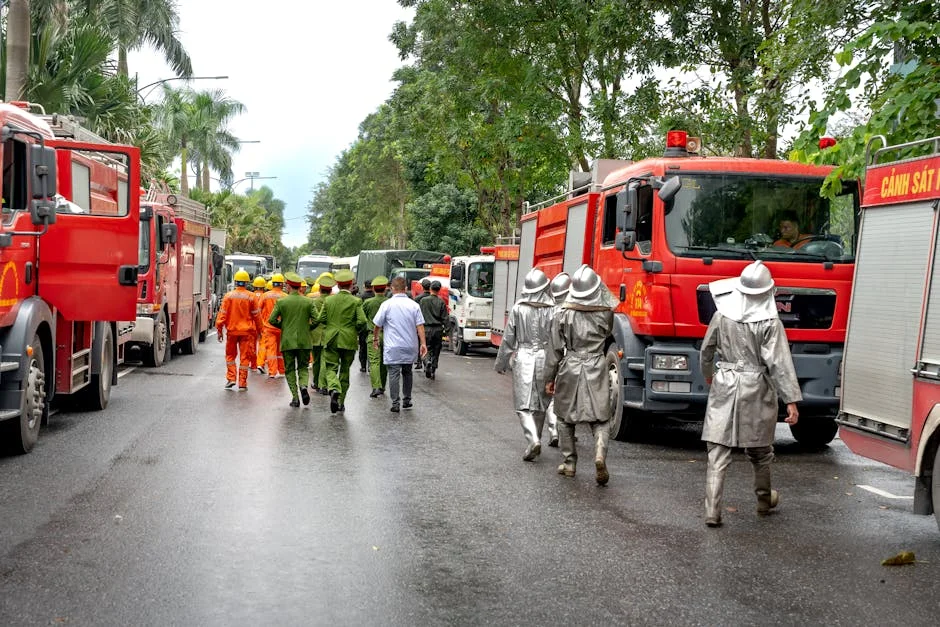
The Myanmar Ministry of Defence has stated that the government will investigate the incident thoroughly. While the exact number of casualties continues to rise, the significant loss of life has drawn international attention, raising questions about the stability of the region and potential repercussions for businesses and foreign investments.
Market Reactions and Global Implications

The blast has already affected regional markets, with analysts noting a sudden spike in the price of commodities such as rubber and rice—key exports for Myanmar. Following the explosion, rubber prices soared by nearly 5%, reflecting fears of escalating conflict disrupting supply chains. Investors are now closely monitoring developments in the area, as uncertainty grows about Myanmar's political stability.
China, a major trade partner for Myanmar, has expressed concern over the incident. The Chinese government has previously invested billions in infrastructure projects in Myanmar, and any long-term instability could jeopardise these investments. The ramifications could extend beyond Myanmar, affecting Chinese commodities markets and possibly leading to shifts in global supply chains.
Rebel Actions and Their Economic Consequences
The continued violence from Myanmar's insurgent groups poses a significant challenge to economic recovery efforts in the country. Foreign investors are becoming increasingly wary, which could slow economic growth further. The ongoing conflict presents a dilemma for businesses considering investments in Myanmar, as operational risks rise amid deteriorating security conditions.
Moreover, the conflict has implications for regional security in Southeast Asia. Countries in the region may need to reassess their diplomatic strategies with Myanmar as the situation evolves, potentially leading to shifts in trade relations. Ensuring regional stability is vital not just for Myanmar, but for all nations economically tied to its markets.
Humanitarian Impact and International Response
The humanitarian impact of the blast is severe, with many families mourning their loss and seeking assistance. Human rights organisations are calling for immediate international support for those affected, exacerbating the situation as resources become scarce due to ongoing violence. The United Nations has urged all parties to cease hostilities and allow for immediate humanitarian aid access to the area.
International organisations are now faced with the challenge of providing support while navigating the complex political landscape of Myanmar. The repercussions of the blast and the broader conflict are likely to hinder relief efforts, affecting thousands of lives in the region.
What’s Next for Myanmar and Investors
Looking ahead, investors will be keen to monitor the response from both the international community and Myanmar's government. The upcoming weeks are critical; any further escalations in violence could lead to enhanced sanctions or international intervention. Ongoing dialogue and negotiations among local factions may also provide a path toward stabilisation, albeit tenuous.
In the meantime, businesses will need to recalibrate their strategies regarding Myanmar, weighing the potential for growth against the risks of conflict. Understanding the evolving landscape will be essential for those with interests in the region as they navigate a complex web of challenges and opportunities.
See Also
- Under Armour Targets UK Growth Amid Global Sports Market Shifts
- Plateau Violence Triggers Economic Shockwave for Investors
Ensuring regional stability is vital not just for Myanmar, but for all nations economically tied to its markets.Humanitarian Impact and International ResponseThe humanitarian impact of the blast is severe, with many families mourning their loss and seeking assistance. The upcoming weeks are critical; any further escalations in violence could lead to enhanced sanctions or international intervention.