Nasa's ambitious plans for lunar exploration face significant scrutiny following an explosion during a recent rocket test. The incident occurred at the Blue Origin facility in West Texas on Monday, raising alarms about the safety and feasibility of upcoming missions aimed at returning humans to the Moon by 2024.
Details of the Incident
On Monday, a Blue Origin New Glenn rocket exploded during a routine ground test. Witnesses reported a loud bang, followed by a fireball that illuminated the surrounding area. Fortunately, no injuries were reported, and the test was being conducted with safety measures in place. However, the failure has cast doubt on Nasa's timeline and budget for its Artemis programme, which relies heavily on commercial partnerships for successful execution.
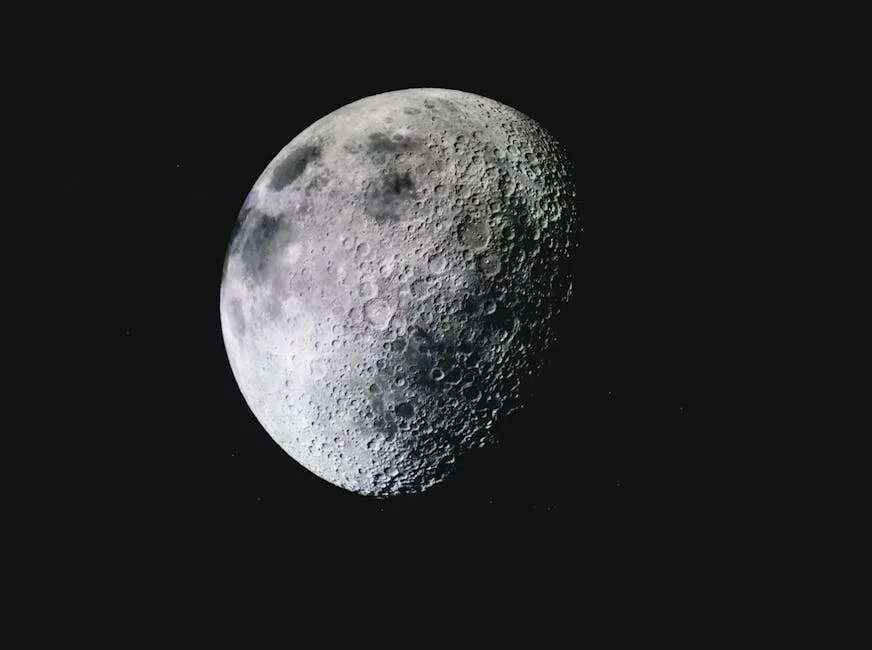
Economic Ramifications for Nasa's Moon Plans


This incident is not just a technical setback but poses potential financial implications for Nasa and its partners. The Artemis programme is backed by a budget of approximately $35 billion, with significant portions allocated to private aerospace companies like Blue Origin. With ongoing concerns about project timelines and additional testing costs, investors might become wary, potentially affecting stock prices in the aerospace sector.
Market Reactions and Investor Sentiment
In the wake of the explosion, shares of Blue Origin's parent company, Amazon, dipped slightly as investors reacted to the uncertainty surrounding the rocket's development. Market analysts are already speculating about how delays could lead to increased costs or even the need for additional funding. The aerospace sector is particularly sensitive to news concerning reliability and safety, as any major setback can lead to long-lasting scepticism among investors.
The Broader Impact on Aerospace Businesses
Beyond Nasa and Blue Origin, the explosion may affect numerous businesses tied to lunar exploration. Companies providing parts, services, or related technology could experience shifts in demand as Nasa reevaluates its partnerships. Furthermore, delays in the lunar programme could stall broader economic benefits projected from a successful Moon landing, which advocates argue could pave the way for new industries and job creation.
Stakeholder Responses
In response to the explosion, Nasa Administrator Bill Nelson emphasised the agency's commitment to safety and innovation, stating, "We will ensure that lessons are learned and improvements implemented for the success of the Artemis programme." Stakeholders are closely monitoring how Nasa will adjust its plans in light of this setback, especially as it seeks to maintain credibility in its ambitious goals.
Future Prospects for the Artemis Programme
Looking ahead, the Nasa Artemis team is under pressure to rework timelines and budgets. A follow-up report on the incident is expected within weeks, which will offer insights on how the agency plans to proceed. Investors and businesses are advised to watch for updates, as the effectiveness of Nasa's response could greatly impact the economic landscape tied to space exploration.
Conclusion: What to Watch Next
As Nasa navigates through the fallout from the explosion, the upcoming release of the follow-up report will be crucial. Stakeholders are keen to see how Nasa plans to address delays and ensure safety in future missions. Those interested in the aerospace market should look for indications of strategic shifts and potential financial implications as the situation develops.
See Also
- UN Passes Historic Reparations Resolution — Global Markets Brace for Impact
- 76ers Dominate Celtics: How This Surging Team Could Affect Markets
The aerospace sector is particularly sensitive to news concerning reliability and safety, as any major setback can lead to long-lasting scepticism among investors.The Broader Impact on Aerospace BusinessesBeyond Nasa and Blue Origin, the explosion may affect numerous businesses tied to lunar exploration. Investors and businesses are advised to watch for updates, as the effectiveness of Nasa's response could greatly impact the economic landscape tied to space exploration.Conclusion: What to Watch NextAs Nasa navigates through the fallout from the explosion, the upcoming release of the follow-up report will be crucial.