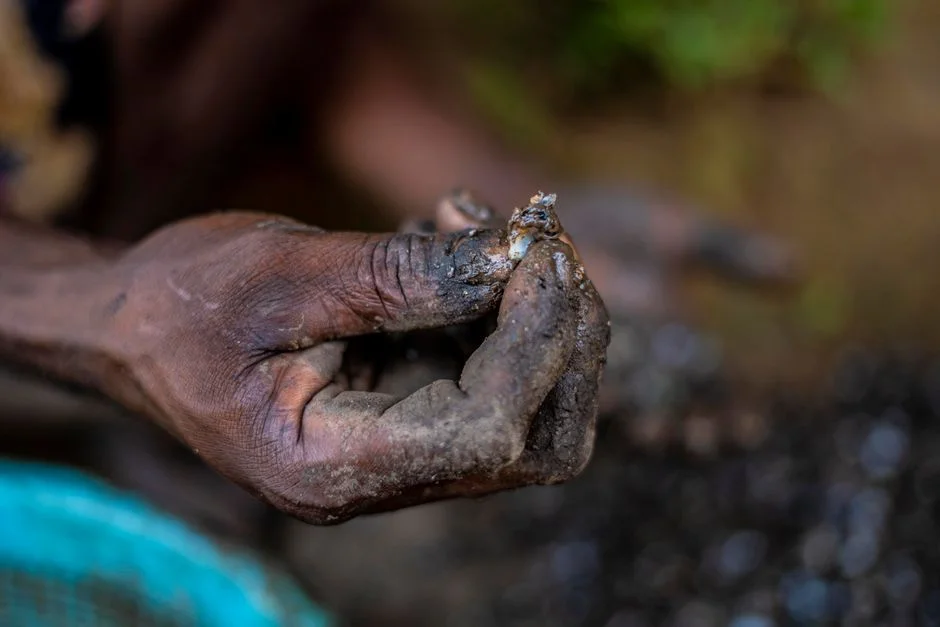
Five patients who survived Ebola infection have been discharged from a treatment centre in the Democratic Republic of Congo, health officials announced on Tuesday. The recoveries represent the first significant cluster of survivors since a new outbreak was confirmed in North Kivu province, where the virus has destabilised communities already contending with conflict and economic hardship.
The announcements came from the provincial health ministry in Goma, the regional capital, where treatment teams have been working around the clock since the outbreak was declared six weeks ago. The survivors, whose ages range from 14 to 45, spent an average of 18 days receiving experimental therapeutic protocols before testing negative for the virus twice.
Economic Stakes in the Outbreak Zone
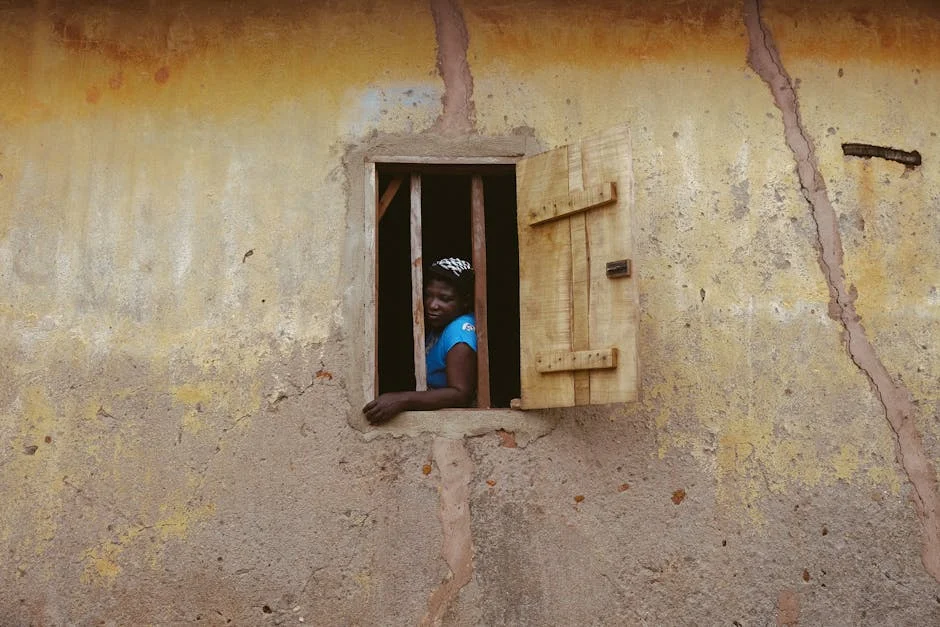
North Kivu is not simply a health crisis zone. It sits atop some of the richest coltan and cobalt deposits in the world, minerals that global electronics manufacturers depend upon. Mining operations in the region have faced intermittent disruption since the outbreak began, with several major companies implementing workforce restrictions and reviewing contingency plans.
Investors tracking the situation received a measure of relief with Tuesday's announcement. Commodity markets had shown elevated volatility in the cobalt futures market over the past month, partly in response to supply uncertainty stemming from the outbreak. Analysts noted that sustained recovery rates could restore confidence in the affected mining corridors, though they cautioned that the region remains fragile.
Treatment Protocols and International Backing

The survivors received care under a protocol managed byDoctors Without Borders (MSF), working in coordination with the World Health Organisation and Congo's national response team. Dr. Placide Mbala, who leads the provincial epidemiology unit, said the recoveries demonstrated that the current therapeutic approach was achieving its intended results.
The WHO has shipped approximately 900 doses of monoclonal antibody treatment to the region, alongside cold-chain equipment needed to maintain vaccine potency in areas where electricity supply remains unreliable. European pharmaceutical manufacturer Roche confirmed last month that it had contributed investigational doses through a fast-track arrangement with the Congolese government.
Broader Economic Context
Congo's broader economic picture adds urgency to the response. The country recorded $10.2 billion in mining export revenue last year, with North Kivu accounting for roughly 30 percent of that total. Any prolonged disruption to extraction and logistics operations carries implications for government revenue and foreign exchange availability.
The Congolese franc has depreciated by approximately 8 percent against the dollar over the past twelve months, reflecting broader macroeconomic pressures. Currency traders indicated that positive health developments could support stabilisation efforts, though they noted that sustained progress on containment would be needed before any meaningful reaction.
What Comes Next for the Response
Health workers are now focused on monitoring the discharged patients for post-recovery complications, a process that involves follow-up visits at 14-day intervals. Ebola survivors can experience long-term sequelae including joint pain, vision problems, and fatigue, conditions that require continued medical attention.
The response team in North Kivu is also prioritising contact tracing for the five survivors, identifying and monitoring individuals who may have been exposed during the infectious period. Investigators have mapped more than 340 contacts so far, of whom 89 remain under observation in Beni and Mangina districts.
International donors have pledged $45 million toward the outbreak response, though health officials say additional funding will be required if case numbers continue rising. The next critical phase will be determining whether transmission chains can be interrupted before the disease spreads into more densely populated areas near the Ugandan border.
Markets will be watching closely. If the recovery trend continues and no major urban centres report infections within the next three weeks, commodity traders expect investor sentiment toward Congolese mining assets to improve. The next situation report from the WHO is due in 72 hours.
See Also
- Ramaphosa Triggers Market Jitters With Farm Cash Appeal
- Severe Weather Slams Western Cape — Supply Chains Snap
If the recovery trend continues and no major urban centres report infections within the next three weeks, commodity traders expect investor sentiment toward Congolese mining assets to improve. The Congolese franc has depreciated by approximately 8 percent against the dollar over the past twelve months, reflecting broader macroeconomic pressures.
What is the latest news about five ebola survivors discharged in dr congo in treatment breakthrough?
Why does this matter for health?
What are the key facts about five ebola survivors discharged in dr congo in treatment breakthrough?