Dada Morero retained his position as Johannesburg's mayor on Thursday after the ANC party publicly reaffirmed its support, defying critics who expected the leadership upheaval rippling through South Africa's largest city to claim another scalp. The decision comes amid a wave of mayoral dismissals that has rattled investors and raised questions about governance stability in the economic heartland of Africa's most industrialised nation. Morero's survival signals the ruling party's determination to hold its grip on Gauteng province, which contributes an outsized share of South Africa's gross domestic product.
Morero Weathers the Storm
The African National Congress confirmed its backing for Morero in a statement issued from its Johannesburg headquarters. The party cited Morero's alignment with its policy agenda and his role in maintaining coalition stability as reasons for the continued support. Several ANC officials had privately speculated that Morero might face the same fate as predecessors who were pushed out after months in office. Instead, he remains in the mayor's chair, at least for now, according to party sources familiar with the internal deliberations.
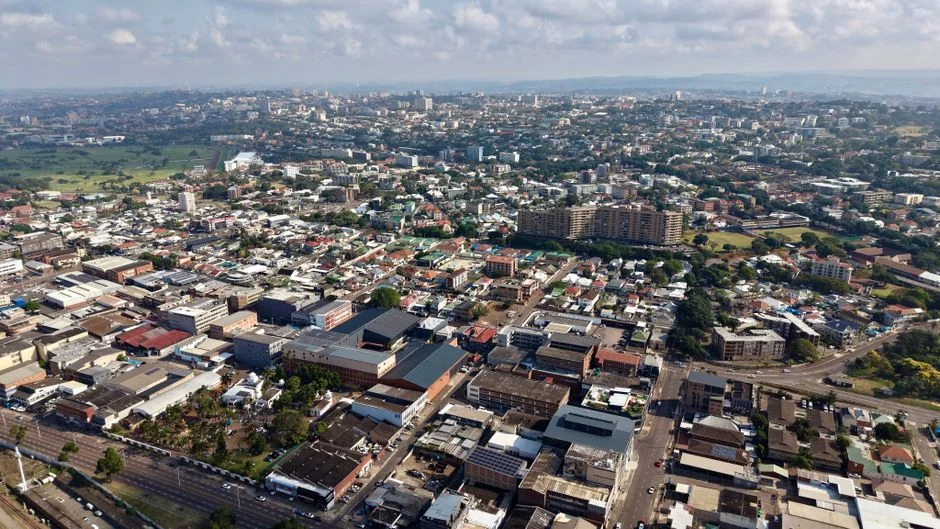
The political endurance matters because Johannesburg accounts for a significant portion of South Africa's economic output. The city's municipal GDP dwarfs that of several neighbouring countries combined. Any disruption to its leadership carries weight beyond electoral calculations.
Context of the Dismissals
The spate of mayoral removals across Gauteng municipalities has been swift. Local media reported that at least three other municipal heads lost their positions in the preceding weeks, creating an atmosphere of uncertainty within the ANC's regional structures. The dismissals have been linked to internal party disputes over service delivery targets and allegations of poor performance. ANC spokesperson Kwazi Mtshengwana told reporters the changes reflected the party's commitment to accountability, though opposition parties have accused the ruling movement of using dismissals to settle factional scores.
Johannesburg's position as South Africa's financial capital means that instability in its city hall can quickly translate into investor hesitation. Business confidence indices have shown sensitivity to governance signals from the country's major metros.
What the Markets Are Watching
Financial analysts tracking South African municipal bonds have flagged the Johannesburg situation as a variable in their risk assessments. Several fund managers based in Cape Town and London have cited governance quality as a factor in their allocation decisions for emerging market debt. While Morero's survival removes one uncertainty, the broader pattern of leadership instability remains a watch item for credit rating agencies that monitor subnational governance.
Business Community Reacts
TheJohannesburg Chamber of Commerce issued a cautious statement welcoming clarity on the mayor's status but pressed for faster action on infrastructure maintenance and the city's electricity crisis. Private sector representatives have grown accustomed to navigating political turbulence in South African cities, but repeated leadership changes slow decision-making on procurement and development approvals. Morero faces pressure to demonstrate that his continued tenure will translate into measurable improvements in basic services that businesses depend on.
Property developers operating in Sandton and Rosebank, areas that drive much of the city's commercial rates income, said they were monitoring the situation closely. Several large-scale projects require co-operation from the municipality for zoning approvals and infrastructure connections.
Coalition Dynamics at Play
Morero leads a coalition administration that depends on support from smaller parties to maintain its majority in the Johannesburg council. The ANC's decision to keep him in place suggests the party believes the coalition can hold together, despite the tensions that have surfaced in recent months. Opposition parties have attempted to exploit the mayoral dismissals to paint the ANC as internally fractured, but their attempts to pass a motion of no confidence in Morero have so far failed to gain traction.
The stability of the coalition has direct implications for budget approvals and the city's ability to borrow for capital projects. Johannesburg's municipal debt obligations require consistent council support for refinancing arrangements.
What Comes Next
Morero must now deliver on promises made to coalition partners and residents alike. The city faces a backlog in road maintenance, water infrastructure repairs, and public transport expansion that requires coordinated action between the mayor's office and provincial authorities. His opponents within the ANC will be watching for any slippage that could provide grounds for a future challenge.
The next major test will arrive when the city council votes on the annual budget allocation. That vote, scheduled for later this year, will test whether the coalition can present a unified front on fiscal priorities. Investors will be looking for signals about whether Johannesburg's leadership can execute on infrastructure spending commitments that underpin the city's growth trajectory.
See Also
- Governor Alex Otti Secures Labour Party Candidacy in Abia State Primaries
- Starmer Slams Tony Blair Amidst Economic Turmoil — What’s Next for Labour?
Several fund managers based in Cape Town and London have cited governance quality as a factor in their allocation decisions for emerging market debt. Several large-scale projects require co-operation from the municipality for zoning approvals and infrastructure connections.Coalition Dynamics at PlayMorero leads a coalition administration that depends on support from smaller parties to maintain its majority in the Johannesburg council.
What is the latest news about anc backs dada morero as joburg mayoral purge deepens?
Why does this matter for world-news?
What are the key facts about anc backs dada morero as joburg mayoral purge deepens?