A team of researchers has used ancient DNA analysis to identify the remains of Leonard Greene, a settler who lived in colonial Maryland during the 1600s. The breakthrough, announced by archaeologists working at Historic St. Mary's City, marks one of the most precise identifications of an early American colonist through genetic technology. Scientists say the method could reshape how historians understand migration patterns and family lineages in the Chesapeake Bay region.
How Ancient DNA Cracked a Centuries-Old Mystery
The research team extracted genetic material from skeletal remains found at a burial site near the former colonial settlement. Comparison with living descendants allowed researchers to confirm the identity beyond reasonable doubt. The technique, known as ancient DNA sequencing, has grown cheaper and more reliable over the past decade, opening new possibilities for museums and historical societies seeking to authenticate unidentified remains.
Dr. Christine Malone, the lead archaeologist on the project, said the identification required years of painstaking work. "We knew we had a significant find. Confirming it was Greene took time because the DNA had degraded considerably," she explained in remarks to local media.
Why This Discovery Matters Beyond History

Heritage tourism generates billions of pounds annually across the United States, with visitors drawn to sites tied to specific individuals and events. Historic St. Mary's City already attracts tens of thousands of visitors each year, and museum officials believe the confirmed identity of Greene adds a powerful new narrative to their offering. The settlement, founded in 1634, served as Maryland's first capital.
The economic potential extends to scientific services as well. Laboratories capable of ancient DNA analysis have seen growing demand from institutions worldwide. A single successful identification can drive media coverage, increase visitor numbers, and attract research funding from both public and private sources.
The Technology Behind the Breakthrough
Ancient DNA analysis costs have fallen dramatically since the early 2000s. What once required millions of dollars in sequencing can now be accomplished for a fraction of that amount. This cost reduction has made the technology accessible to smaller institutions and local historical societies that previously could not afford such investigations.
Private companies have taken notice. Several firms now market DNA ancestry services to the public, creating a parallel market where descendants can submit their own genetic material for comparison with historical remains. The Greene identification demonstrates the commercial viability of such matching programmes.
What Heritage Sites Stand to Gain
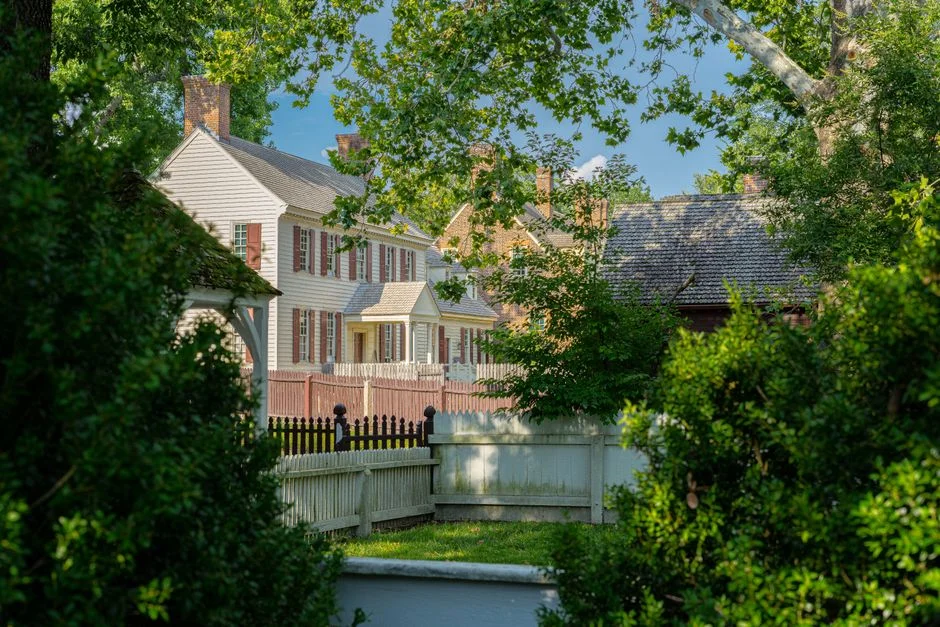
Historic St. Mary's City operates as a living history museum, recreating daily life in the colonial period. Director James Warren acknowledged that confirmed identities transform abstract history into personal stories visitors can connect with emotionally. "People want to know who these people were. A name makes them real," he told reporters.
The identification could also strengthen grant applications from cultural heritage foundations and state tourism bodies. Funding committees often favour projects with clear public engagement potential, and a named historical figure provides an accessible entry point for educational programmes.
Challenges Remain for Replication
Not every colonial burial site can yield usable DNA. Conditions in the Chesapeake region, including acidic soil and humid summers, accelerate decomposition of genetic material. Researchers note that successful identification requires favourable preservation conditions, suitable comparison samples from descendants, and specialised laboratory facilities.
The team worked closely with genealogical researchers to trace Greene's lineage forward through generations. Finding willing participants among living relatives proved essential to the process. Without those connections, the identification would have remained impossible regardless of the technology involved.
Looking Ahead: What Watchers Should Track
Museum officials plan to incorporate the Greene identification into new exhibitions launching later this year. A public ceremony at Historic St. Mary's City is scheduled for autumn, when descendants of Greene are expected to attend. The event will likely draw regional media attention and could influence visitor statistics for the final quarter of the tourism season.
Researchers say the methods used in this study can be applied to other unidentified burials at colonial sites along the eastern seaboard. If the approach proves replicable, a wave of similar identifications could follow, each one offering heritage sites a fresh angle for visitor engagement and research partnerships.
See Also
- Wales Labour Faces Historic Senedd Defeat
- Marc Bernal Triggers NG Market Shake-Up — Prices React Fast
What is the latest news about ancient dna names colonial settler heritage science becomes big business?
Why does this matter for opinion?
What are the key facts about ancient dna names colonial settler heritage science becomes big business?