A health worker was beheaded in Benue State on Tuesday in an attack that has sent shockwaves through Nigeria's medical community and renewed urgent calls for improved security at healthcare facilities across the country.
The killing occurred amid ongoing insecurity that has plagued the region for years, with armed groups repeatedly targeting remote communities. Local authorities confirmed the incident and pledged to investigate, though no arrests had been announced as of Wednesday morning.
Attack Details and Community Response
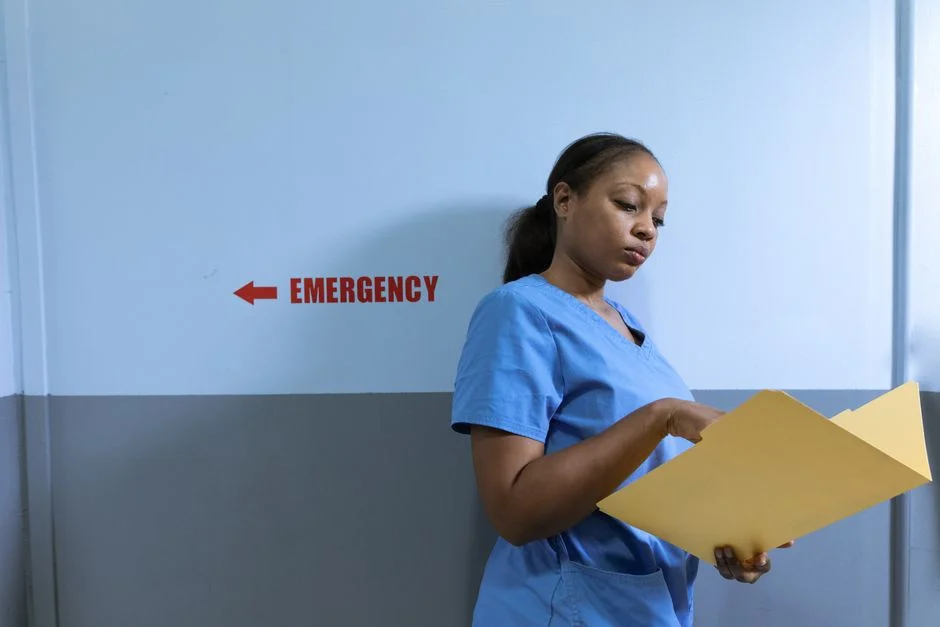
The assault took place at a rural health centre in Benue's inner settlements, where the worker was stationed providing essential medical services to surrounding villages. Witnesses described the attack as sudden and violent, with the perpetrators fleeing before security forces arrived.
Community leaders in the area expressed outrage, stating that healthcare workers have become increasingly vulnerable as criminal elements expand their operations. The Medical and Health Workers' Union in Benue called the killing a "blatant assault on the already fragile healthcare system" and demanded immediate government intervention.
Healthcare Worker Safety Under Scrutiny


The incident has highlighted the chronic vulnerability of health workers operating in Nigeria's conflict-prone regions. Unlike the targeted kidnappings of oil workers in the Niger Delta or the piracy incidents affecting maritime trade, attacks on medical personnel have received comparatively little international attention.
Human rights groups have documented dozens of incidents where healthcare workers faced violence, theft, or threats while attempting to serve isolated populations. The Benue attack represents an alarming escalation, with the victim losing their life rather than merely facing robbery or intimidation.
Regional Security Context
Benue State has experienced persistent instability since herdsmen conflicts erupted years ago, displacing thousands and creating power vacuums exploited by armed groups. The state's agricultural wealth and strategic position have made it a flashpoint for multiple competing factions.
Security analysts note that while attention often focuses on urban commercial centres like Lagos and Abuja, rural healthcare facilities operate with minimal protection. A single health centre may serve thousands of patients across dispersed communities, with staff often working overnight shifts without adequate security infrastructure.
Impact on Healthcare Delivery
The implications for medical services in the region are severe. Health workers in similar postings are reportedly reconsidering their assignments, with some requesting transfers to more secure urban postings. The departure of experienced medical personnel from rural areas would further strain already limited healthcare access for vulnerable populations.
International development partners supporting health programmes in Benue have expressed concern, with several organisations reviewing their operational security protocols. Any pullback in medical coverage would disproportionately affect children, pregnant women, and elderly residents who cannot easily travel to distant facilities.
Economic Consequences for the Region
The attack carries economic ramifications that extend beyond the immediate tragedy. Foreign investors evaluating opportunities in Nigeria's agricultural sector, particularly in Benue's farming corridors, factor security conditions heavily into their decisions. Repeated incidents of violence deter long-term capital commitments and complicate insurance calculations.
Local businesses in affected areas report that worker absenteeism has increased as staff avoid travel during certain hours. Commercial activity in markets and trading centres depends partly on the presumption of physical safety, and each violent incident erodes commercial confidence incrementally.
Government and Institutional Reactions
The Nigerian Medical Association issued a strongly worded statement condemning the attack and calling for the deployment of dedicated security escorts for health workers in high-risk areas. The association warned that without immediate protective measures, the exodus of medical professionals from volatile regions would accelerate.
State government officials met with community representatives on Wednesday, though no specific security timeline was announced. Critics argue that previous promises of enhanced protection for rural facilities have failed to materialise, leaving front-line workers effectively unprotected.
What Happens Next
The investigation into the Benue attack remains in its early stages, with police offering no suspects or motive as of press time. Healthcare unions have threatened coordinated action if the government fails to announce concrete protective measures within the coming weeks.
Watch for developments from the Ministry of Health and the Inspector General's office regarding any policy announcements on rural health worker security. International health partners are expected to issue statements that could influence donor funding decisions for medical programmes in the region.
See Also
- South Africans Face Deadline to Unblock IDs or Lose Access to Banking and Jobs
- Next Warns of Job Collapse — What Investors Must Watch Now
International development partners supporting health programmes in Benue have expressed concern, with several organisations reviewing their operational security protocols. Critics argue that previous promises of enhanced protection for rural facilities have failed to materialise, leaving front-line workers effectively unprotected.
What is the latest news about health worker beheaded in benue medical community demands protection?
Why does this matter for health?
What are the key facts about health worker beheaded in benue medical community demands protection?