Arthur Zwane spent his childhood kicking a ball through the dusty streets of Meadowlands in Soweto. Decades later, the former Kaizer Chiefs midfielder has swapped those uneven pitches for a seat in the club's technical department, but he has never forgotten where it all began. On Youth Day 2026, Zwane returned to the streets that shaped him to share memories with a new generation of aspiring footballers. The reflections, captured by Backpagepix, offer a rare glimpse into how South Africa's most storied football club was built on raw talent drawn from humble origins.
From Street Football to the Chiefs Jersey
Zwane grew up in Meadowlands, a township west of Johannesburg where football was more than recreation — it was survival. Boys like him had little more than a tennis ball and an appetite for the game. "The streets were our training ground," Zwane told Backpagepix. "We learned to dribble around potholes, to shield the ball from older kids, to think three moves ahead." That resourcefulness translated perfectly when he joined Kaizer Chiefs at 17. He made over 300 appearances for the club and earned a place in the Bafana Bafana squad, becoming one of the most recognisable figures in South African football history.
Youth Day and the Legacy Question


June 16 carries profound weight in South Africa. The Soweto Uprising of 1976 saw students protest against apartheid education policies, and many died in the crackdown that followed. Youth Day now commemorates their sacrifice while celebrating young people who continue to forge their own paths. For Zwane, the day prompts reflection on what the next generation owes to those who came before — and what the football industry owes to township talent pipelines. He pointed to the dusty pitches of Meadowlands as the forge where his career was hammered into shape, arguing that investment in grassroots facilities could produce more players of his calibre.
The Economics of Township Football
South Africa's Premier Soccer League generates billions of rand annually, yet the townships where stars are born often lack basic infrastructure. Pitches are uneven, change rooms are nonexistent, and coaching programmes struggle for funding. Zwane's story highlights a persistent paradox: the communities that produce elite talent receive the least investment in return. Clubs like Kaizer Chiefs, valued at over R1 billion, benefit enormously from the talent flowing out of areas like Soweto. The question facing the industry is whether commercial success will translate into meaningful development spending in the communities that seed it.
Kaizer Chiefs' Commercial Machine
Kaizer Chiefs operates as both a sporting institution and a commercial enterprise. The club's brand extends far beyond the pitch, with partnerships spanning telecommunications, beverages, and automotive sectors. Yet the pathway from Meadowlands mud to Amakhosi stardom remains stubbornly informal. Most young players still rely on street games and unpaid trials rather than structured academy programmes. Zwane's journey, remarkable as it was, depended heavily on luck and the eye of a scout who happened to attend a pickup game. That model works for finding outliers, critics argue, but it leaves enormous talent untapped.
What the Data Shows
A 2024 study by the South African Football Association found that 78% of professional players in the top two tiers came from households earning below the national median income. The average age at which these players were scouted was 14 — well after years of informal development in streets and vacant lots. Experts have long recommended earlier intervention through community academies, but funding remains concentrated at elite club level rather than grassroots. Zwane's reflections underscore the irony: the streets that shaped South African football's greatest asset remain chronically underfunded.
The Photograph That Captured Everything
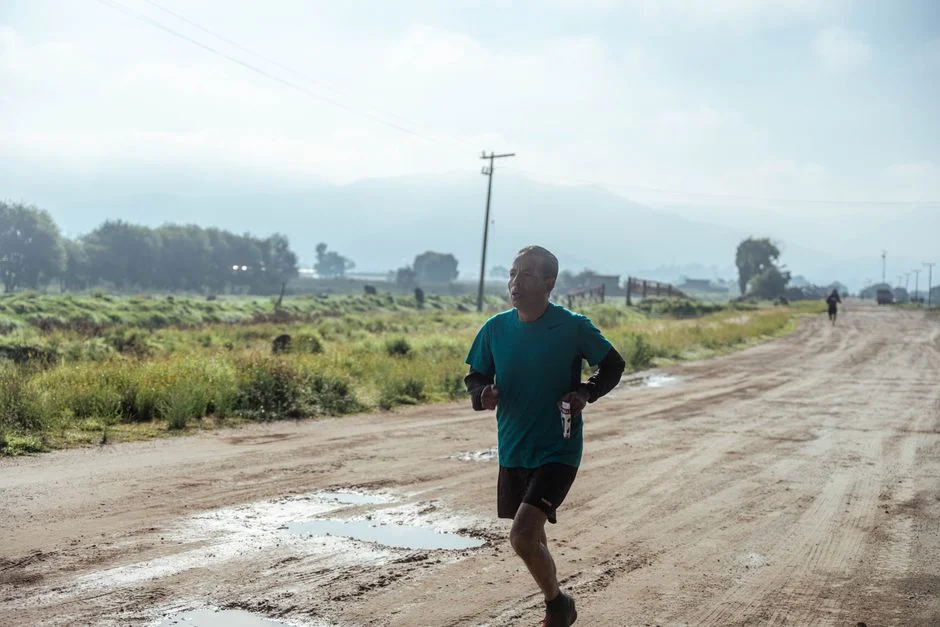
Backpagepix published a photograph of Zwane standing in Meadowlands, the same streets where he played as a child. The image shows a man in his fifties, dressed in Kaizer Chiefs colours, standing beside a group of wide-eyed teenagers. The contrast is stark — one man who made it, surrounded by dozens who dream of following him. The photograph has been shared thousands of times on social media, with comments split between admiration for Zwane's humility and frustration that little appears to have changed for the next generation.
Looking Ahead: Can the Cycle Be Broken?
Kaizer Chiefs has announced plans to expand its development academy in Soweto, but details remain scarce. The club has not disclosed budget figures or timelines. Zwane, now serving as a technical adviser, has hinted that he wants to be personally involved in creating pathways for Meadowlands talent, though his exact role has not been defined. Industry observers say the coming 12 months will test whether South African football's commercial growth translates into real opportunities for township communities — or whether stories like Zwane's remain the exception rather than the rule. The next intake of academy players, expected in early 2027, will offer the first concrete signal of whether promises made on Youth Day will be kept.
See Also
- South Korea's Simon Seungmin Lee Clinches G4D Open Victory at Celtic Manor
- RTP Questions Casa das Notícias — Market Confidence at Stake
That model works for finding outliers, critics argue, but it leaves enormous talent untapped.What the Data ShowsA 2024 study by the South African Football Association found that 78% of professional players in the top two tiers came from households earning below the national median income. Experts have long recommended earlier intervention through community academies, but funding remains concentrated at elite club level rather than grassroots.