Fans across Africa turned on South Africa with a wave of online mockery and criticism after the country's World Cup campaign ended, flooding social media platforms with pointed jokes and memes that resonated far beyond the pitch.
Social Media Storm Erupts After Elimination
Within hours of South Africa's exit from the tournament, hashtags mocking the team's performance began trending across Twitter, Facebook, and Instagram throughout West Africa, East Africa, and Southern Africa. Nigerian and Kenyan users led the charge, with Ghanaian and Tanzanian accounts amplifying the response. The trolling ranged from humorous memes about missed tackles to sharp commentary about what fans called unfulfilled promises during the qualifying campaign.
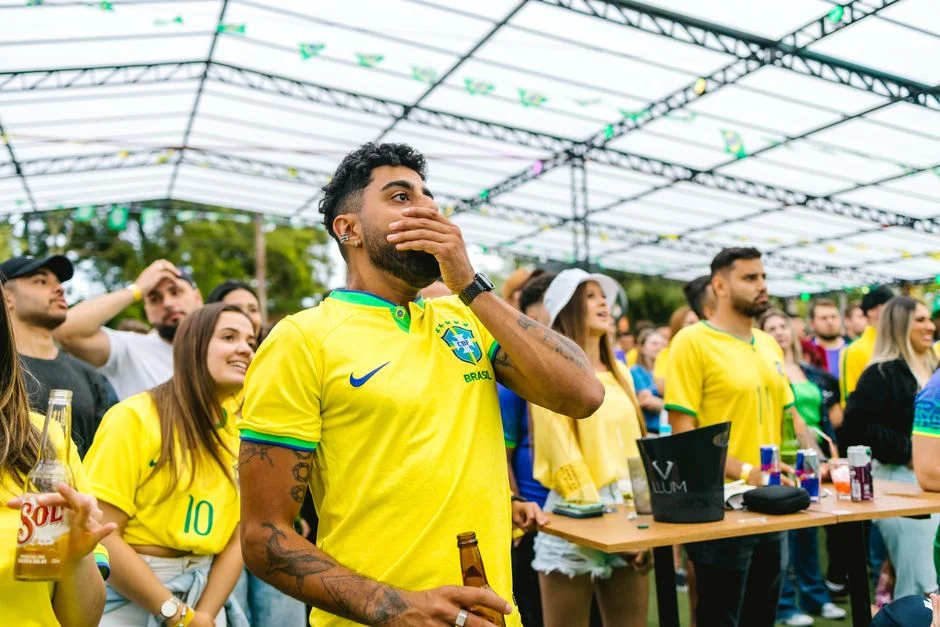
The campaign quickly gathered momentum, with some posts accumulating hundreds of thousands of shares across the continent. South African users responded with their own memes, attempting to reframe the mockery as banter, but the sheer volume of criticism from neighbouring nations signalled deeper frustrations about the team's perceived arrogance during the tournament.
Regional Rivalries Fuel Online Response


The reaction exposed how intensely fans across Africa monitor South Africa's sporting performance, particularly given the country's long history as a continental football powerhouse. The team's early departure denied fans across the continent their usual focal point for international competition, and many took to social platforms to express disappointment through humour.
Regional sporting rivalries clearly influenced the geographic spread of the trolling. Kenya and South Africa have a well-documented competitive history in athletics and rugby, while Nigeria's massive football-following population amplified messages reaching international audiences. Botswana and Namibia fans joined in, with Zimbabwean accounts adding sharp commentary that cut close to home given the countries' shared post-apartheid sporting relationship.
Sports Economy Takes a Hit in Public Perception
The episode carries weight for South Africa's broader sports economy, where national team performance directly influences merchandise sales, sponsorship deals, and broadcast viewership figures. South African sports brands rely heavily on continental goodwill to maintain market position across Africa, and extended periods of negative social media attention can erode consumer confidence in ways that damage commercial partnerships.
Sports marketing executives in Johannesburg expressed concern that the sustained mockery could complicate ongoing negotiations with regional sponsors seeking association with South African teams. Local sports economists noted that while short-term trolling rarely translates into lasting commercial damage, the intersection of social media ridicule and underwhelming tournament results can create a compound effect that takes years to reverse.
Fan Culture Reflects Deeper Continental Tensions
The trolling also laid bare how African fans increasingly use sporting disappointment as a proxy for broader frustrations with South Africa's regional economic dominance. Many posts referenced the country's large economy relative to neighbours, suggesting resentment about perceived advantages in hosting major tournaments and attracting international investment in sports infrastructure.
The South African Football Association has remained silent on the matter, though sources within the organisation indicated internal discussions about whether to address the criticism publicly or allow the cycle to burn out naturally. Federation officials in neighbouring countries declined to comment on the online activity, though several national team accounts shared or liked posts that mocked South Africa's exit.
What's Next for South African Football
The national team now faces a lengthy rehabilitation period before competitive matches resume, with the Africa Cup of Nations qualifiers approaching on the calendar. The coaching staff will need to rebuild squad morale while navigating the ongoing online commentary from regional rivals. Sports psychologists working with the team have reportedly been consulted about managing player exposure to social media criticism during the recovery period.
South African broadcasters and kit suppliers face decisions about marketing strategies for upcoming international friendlies, with executives weighing whether to proceed with planned campaigns or delay until public sentiment shifts. The next competitive fixtures will serve as the first real test of whether continental fans have moved on or whether the mockery continues to echo across African social platforms.
See Also
- South African Football Association Confirms Bafana's World Cup Departure Plans
- UEFA Champions League Controversies Trigger €2.5 Billion Broadcast Revenue Shake-Up
Many posts referenced the country's large economy relative to neighbours, suggesting resentment about perceived advantages in hosting major tournaments and attracting international investment in sports infrastructure.The South African Football Association has remained silent on the matter, though sources within the organisation indicated internal discussions about whether to address the criticism publicly or allow the cycle to burn out naturally. South African sports brands rely heavily on continental goodwill to maintain market position across Africa, and extended periods of negative social media attention can erode consumer confidence in ways that damage commercial partnerships.Sports marketing executives in Johannesburg expressed concern that the sustained mockery could complicate ongoing negotiations with regional sponsors seeking association with South African teams.