President Bola Ahmed Tinubu visited the ancient city of Onitsha on Sunday to mark the 85th birthday of Eze Nnaemeka Alfred Achebe, the Obi of Onitsha, in a celebration that drew together figures from across Nigeria's political establishment and highlighted the enduring influence of traditional monarchies in the nation's affairs.
Palace Gathering Signals Unity
The ceremony at the Obi of Onitsha's palace brought together politicians who rarely share public platforms. The attendance of former President Olusegun Obasanjo alongside serving federal officials underscored the unique standing the Obi commands in Nigeria's complex power structure. Governor Chukwuma Soludo of Anambra State was also present, representing regional leadership in the Igbo heartland.
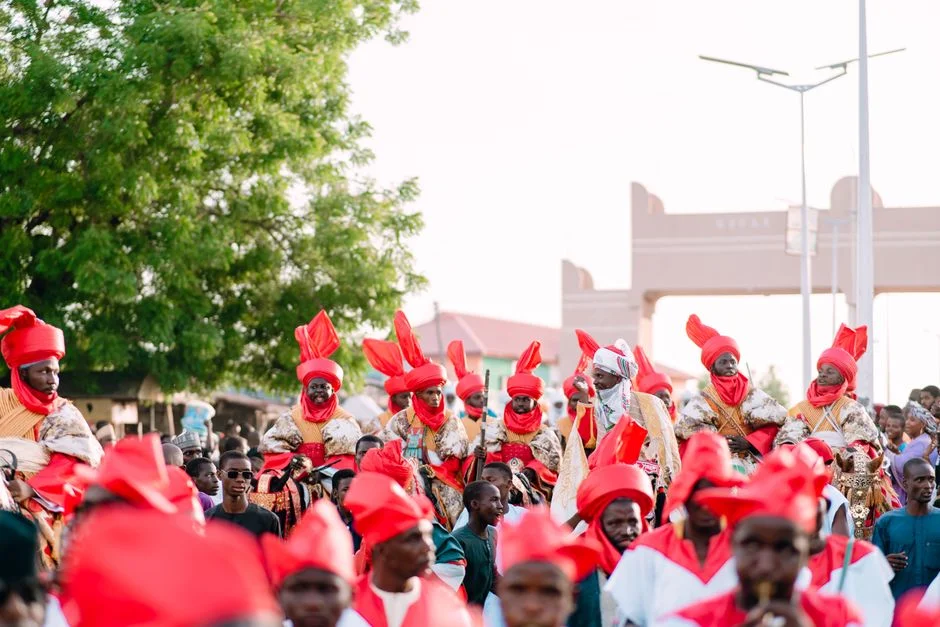
President Tinubu's visit reflected deliberate outreach to traditional institutions across Nigeria's six geo-political zones. The President has made engaging traditional rulers a consistent feature of his administration, viewing these relationships as essential to governing a nation where palace influence often shapes local outcomes.
Economic Significance of Traditional Leadership

The Obi's role extends well beyond ceremonial duties. Onitsha Market, one of West Africa's largest commercial hubs, operates within his domain. The marketplace handles goods flowing between Nigeria's southern ports and the country's interior, making the relationship between palace and traders a practical matter for supply chains and regional commerce.
Business leaders across the southeast have long looked to the Obi for arbitration in commercial disputes and guidance on local business conditions. Foreign investors seeking to operate in the region frequently consult with palace officials as part of their due diligence. The stability of that relationship matters to those weighing capital commitments in the area.
Market Implications
Traders at Onitsha Market reported brisk activity surrounding the celebrations, with vendors from Lagos and Port Harcourt converging on the city for the occasion. The influx of visitors temporarily boosted local hospitality and transport sectors, providing a measurable though short-term economic stimulus to the immediate area.
Analysts tracking investor sentiment toward Nigeria's southeast region noted that high-profile visits by the President to traditional rulers can influence perceptions of federal commitment to historically opposition-leaning areas. Such symbolism carries weight with portfolio investors assessing political risk across Nigerian states.
Political Calculation Behind the Visit
The APC-led federal government has faced criticism for perceived neglect of southeastern Nigeria, which largely supported opposition parties in recent elections. Sunday's celebration provided an opportunity for visible engagement without direct policy announcements, a approach that allows both sides to interact without binding commitments.
The Obi's reputation for maintaining relationships across party lines made him a natural intermediary. Unlike some traditional rulers who align openly with specific political formations, the Obi of Onitsha has cultivated relationships across the spectrum, positioning himself as a figure whom all sides can approach.
What Observers Will Watch
The celebration's success may shape how the Tinubu administration approaches other traditional institutions in regions where the APC lacks strong electoral roots. Palace watchers note that similar visits to the Oonis of Ife and other major monarchs have preceded increased federal infrastructure spending in those areas.
Whether this engagement translates into concrete investment commitments for the southeast remains to be seen. The Obi's 85th birthday served as a platform for diplomatic niceties, but the harder questions about federal development spending and regional economic parity lie beyond any palace walls.
See Also
- Telkom Confirms R12 Billion Network Overhaul as South Africa Races to Close Digital Gap
- Ramaphosa Fires Tolashe: Markets React to SA Leadership Shake-up