A Kick streamer identified as Clavicular has ignited a firestorm online after posting a scathing review of a French restaurant's organic burger, telling viewers the dish amounted to nothing better than animal waste. The clip spread rapidly across social media platforms this week, amassing millions of views and igniting debate about restaurant standards, influencer culture, and the power of online reviews in the hospitality sector.
Viral Moment Rocks French Hospitality Scene
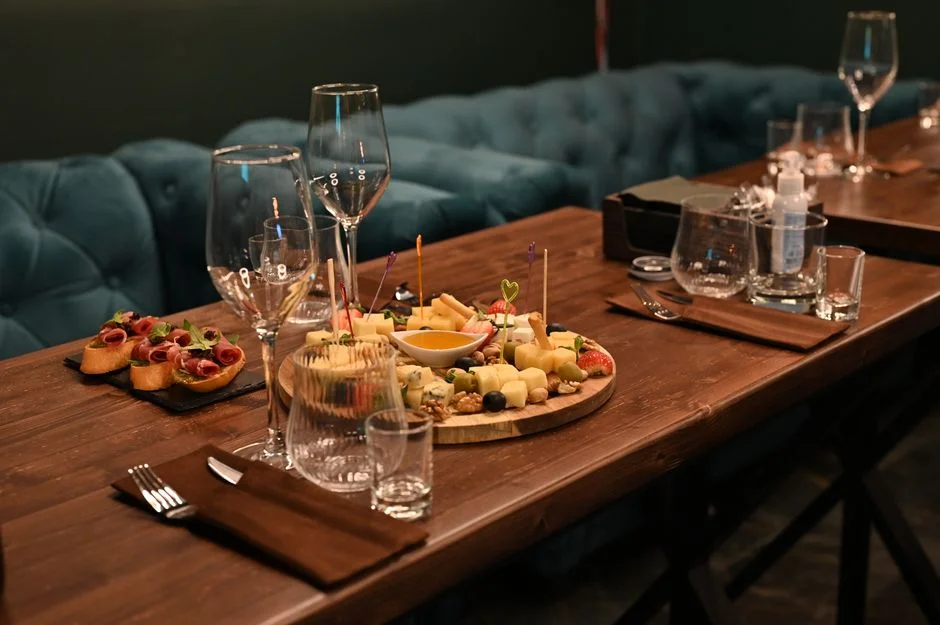
The footage shows Clavicular at a French establishment, visibly unimpressed as he sampled what was advertised as a premium organic burger. After the first bite, the streamer turned to the camera and delivered the brutal verdict: "Serve me some dog sh*t." The clip detonated across TikTok, X, and YouTube within 48 hours, racking up over 3 million combined views as users debated whether the review was fair criticism or performative outrage designed to generate engagement.

The restaurant, which has not been publicly identified, faces an uncertain path forward as the video continues circulating. French hospitality industry insiders say the incident exposes the vulnerability restaurants now face in an era where a single viral moment can redefine public perception overnight.
Hospitality Sector Reacts to Influencer Risk

The restaurant industry has long grappled with online reviews, but the speed and reach of modern streaming platforms have raised the stakes considerably. Industry body Hospitality UK reported that negative viral content can reduce footfall by up to 25 percent within a week for affected establishments, based on documented cases from the past two years.
Independent restaurants, which often operate on thin margins of 3 to 5 percent according to market analysts at Barclays, remain particularly exposed. Unlike chain establishments with dedicated marketing teams and crisis communications protocols, smaller venues may lack the resources to mount an effective response to unexpected reputational damage.
The Platform Economics of Outrage
Kick, the streaming platform where Clavicular operates, rewards content that drives engagement, and controversy consistently outperforms sanitised content in the algorithm. Data from streaming analytics firm StreamCharts indicates that negative or confrontational content generates 40 percent higher average watch time compared with neutral programming. This economic reality shapes what creators produce, industry observers say.
The incident raises questions about the incentives driving influencer reviews. When audience reaction translates directly into platform revenue, the line between genuine critique and manufactured drama becomes increasingly blurry for hospitality businesses trying to navigate their public image.
What the Restaurant Can Expect Next
Crisis management specialists advising the hospitality sector say the affected restaurant will need to decide whether to engage with the controversy directly or maintain silence. Some establishments have successfully turned viral criticism into marketing opportunities by responding with humour or transparency about their sourcing and preparation methods.
French culinary tradition, which has long championed artisanal food preparation and quality ingredients, faces an uncomfortable challenge here. If the organic burger genuinely used premium components, the review may reflect a disconnect between ingredient cost and flavour perception rather than any objective failure by the kitchen.
Regulatory and Ethical Questions Emerge
The incident has reignited discussion about influencer accountability. The Advertising Standards Authority in London has previously ruled that undisclosed sponsored reviews constitute misleading advertising, though Clavicular's critique appears to be editorial content rather than paid promotion.
Consumer protection advocates argue that streamers making defamatory claims about specific businesses should face similar scrutiny to professional critics, who can be held accountable for factual inaccuracies. Others contend that the restaurant's recourse through standard defamation law remains the appropriate mechanism.
Looking Ahead for Hospitality Businesses
Restaurant owners across Europe are watching closely to see how this episode unfolds. The incident serves as a reminder that digital platforms have fundamentally altered the power balance between establishments and their critics. A single streamer with a large audience can now accomplish in minutes what traditional food critics required weeks to achieve.
Industry analysts expect more hospitality businesses to invest in social media monitoring and rapid response capabilities as a result of incidents like this. The question hanging over the sector is whether establishments can ever truly insulate themselves from the unpredictable forces of viral criticism. Watch for the restaurant's next public statement, expected within the coming days, which industry observers say will likely determine whether this episode becomes a footnote or a defining moment for their brand.
See Also
- Ekeke Nnamdi Remanded Over Forged Lawyer Seal — Title Deeds At Risk
- South Africa Police Inquiry Widens Over Brazilian Lover's 'Gifts'