FIFA published updated rankings for all 48 teams competing at the 2026 World Cup on Thursday, a move that immediately reshaped betting odds and triggered fresh activity across sports betting platforms worldwide. The biannual refresh carries particular weight this cycle as the tournament expands beyond its traditional 32-team format for the first time in its history.
Expansion Brings New Contenders to the Fold
The 2026 World Cup, co-hosted by the United States, Canada, and Mexico, marks the sport's biggest expansion since the format's inception in 1930. Sixteen additional qualification slots opened doors for nations rarely seen at football's premier competition. Concacaf nations benefited significantly from the host region allocation, with teams like Jamaica and Panama securing their first major tournament spots in years.
Rankings determine seeding for the group draw, a process that directly influences which nations avoid each other in the initial phase. Higher-ranked teams receive more favourable draws, reducing early-tournament risk and improving commercial prospects for sponsors expecting deep runs. The updated figures released Thursday will govern the draw ceremony scheduled for December in Miami, Florida.
Betting Markets and Financial Stakes
Sportsbooks adjusted odds within minutes of FIFA's announcement. Brazil and Germany, traditionally ranked among the world's elite, retained their positions near the summit, keeping them as short-odds favourites for tournament victory. The betting industry, estimated to handle billions in World Cup-related wagers globally, treats ranking updates as critical data points that trigger significant market re-pricing.
FanDuel and DraftKings, two major US-based platforms, both reported surges in World Cup betting activity following Thursday's release. Industry analysts estimate American sports betting handle could exceed $3 billion during the 2026 tournament, a figure that makes ranking accuracy economically significant beyond sporting prestige alone.
Host City Economic Implications
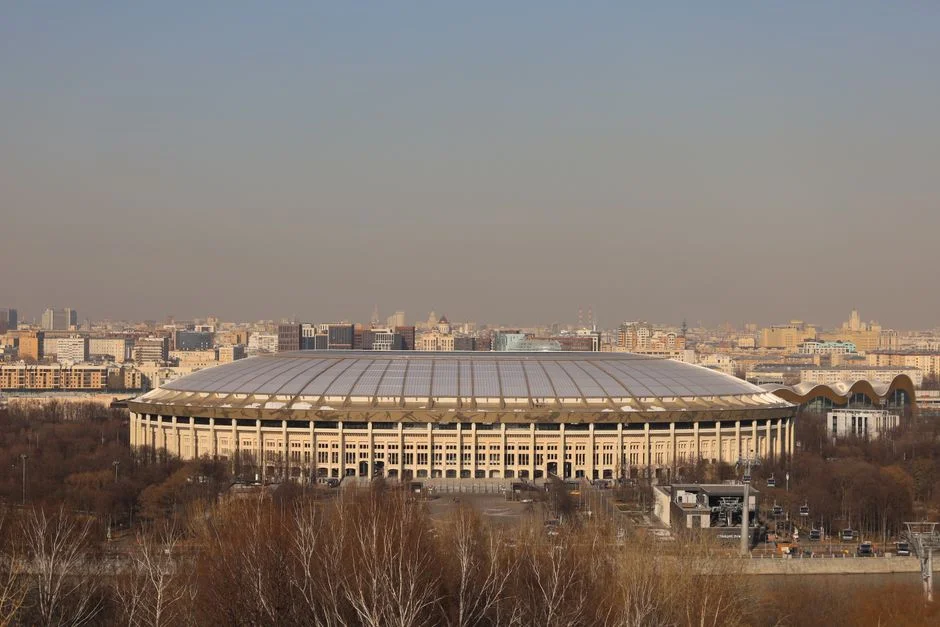
The rankings matter for host cities too. Eleven American venues, including New Jersey's MetLife Stadium and Los Angeles' Sofi Stadium, will welcome the bulk of tournament fixtures. Cities hosting higher-ranked nations typically see stronger hotel demand, elevated restaurant and retail spending, and increased television viewership that translates into advertising revenue for local broadcasters.
Economic projections from the US Soccer Federation suggest the 2026 tournament could generate over $5 billion in economic activity across the three host nations. That figure depends partly on which teams advance furthest through the knockout rounds, a variable directly influenced by seeding derived from these rankings.
European Dominance Faces Challenges
European nations occupy the upper echelons of Thursday's update, with France, England, and Spain all positioned favourably for the draw. However, the expanded field introduces unpredictability that complicates traditional power structures. African and Asian confederations received additional qualification places, meaning nations like Morocco, which reached the semi-finals in 2022, may face stronger competition earlier in the bracket.
Television rights holders face their own calculations. Broadcast networks paid billions for World Cup rights precisely because traditional heavyweights guarantee audience size. A tournament where lower-ranked nations advance unexpectedly can either boost or diminish viewership figures depending on which nations fall early.
Qualification Spots and Regional Balance
The 48-team format distributes qualification places across confederations with notable shifts from previous cycles. Africa received nine spots, up from five, while Asia secured eight positions for the first time. These changes reflect the growing global footprint of football as a commercial product and the sport's effort to expand into new markets.
Asian qualification delivered several surprises in Thursday's rankings, with Japan and South Korea both climbing positions that strengthen their seeding prospects. The two nations represent significant commercial markets for FIFA sponsors, particularly those with consumer brands targeting East Asian audiences worth billions in projected sales.
Sponsor Exposure and Brand Value
Corporate partners monitoring Thursday's update include Adidas, Coca-Cola, and Visa, all bound by multi-cycle sponsorship agreements calculated on tournament exposure. Higher-ranked nations wearing branded kits receive more screen time during broadcasts, a relationship that makes ranking performance a direct factor in sponsorship return on investment calculations.
The Adidas contract alone represents hundreds of millions in revenue for football's governing body. The German sportswear manufacturer supplies match balls and official apparel for participating nations, meaning team performance directly affects brand visibility across global audiences that regularly exceed one billion viewers for final matches.
What Happens Next
The December draw in Miami will formally establish group stage matchups based on Thursday's ranking positions. Teams have approximately six months to prepare before the tournament kicks off in June 2026. That timeline creates a narrow window for nations to improve their standing through friendly matches and competitive fixtures, though ranking movements before the draw remain capped by FIFA's calculation methodology.
Investors with exposure to sports-related equities, including broadcast companies, stadium operators, and hospitality firms, should monitor qualification outcomes closely. The economic modelling that underpins tournament revenue sharing depends on participation numbers and expected match counts, variables that shift with every ranking adjustment.
See Also
- Zeerust Parolee Arrested After Viral Video Shows Woman's Violent Assault
- South Africa Demands Safety Review of Chinese Vehicle Imports
These changes reflect the growing global footprint of football as a commercial product and the sport's effort to expand into new markets.Asian qualification delivered several surprises in Thursday's rankings, with Japan and South Korea both climbing positions that strengthen their seeding prospects. The two nations represent significant commercial markets for FIFA sponsors, particularly those with consumer brands targeting East Asian audiences worth billions in projected sales.Sponsor Exposure and Brand ValueCorporate partners monitoring Thursday's update include Adidas, Coca-Cola, and Visa, all bound by multi-cycle sponsorship agreements calculated on tournament exposure.
What is the latest news about fifa updates world cup 2026 rankings for all 48 teams?
Why does this matter for opinion?
What are the key facts about fifa updates world cup 2026 rankings for all 48 teams?