The National Institute for Health and Care Excellence (NICE) now recommends that women diagnosed with PMOS receive annual NHS check-ups to monitor for complications. Roughly 3.5 million women in the United Kingdom live with the condition, which affects hormonal and reproductive health. Until now, no formal yearly screening protocol existed within the NHS for this patient group.
What PMOS Means for Patients
PMOS, or Polycystic Ovary Syndrome, disrupts hormone levels and can lead to irregular periods, weight gain, and difficulty conceiving. The condition also increases the risk of developing type 2 diabetes and cardiovascular problems later in life. NICE's new guidance directly addresses these long-term health risks by calling for consistent annual monitoring rather than reactive treatment only when symptoms become severe.
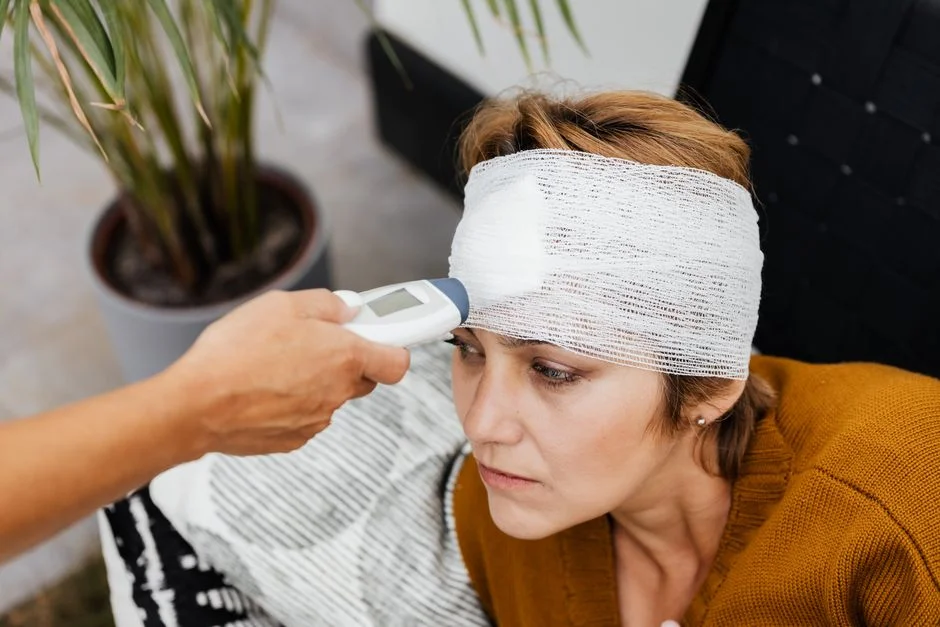
The watchdog recommends that check-ups include blood pressure measurement, glucose testing, and cholesterol screening alongside reproductive health assessments. Doctors should also discuss lifestyle factors such as diet and exercise during these appointments. NICE stated that early detection through yearly reviews could prevent more serious and costly health problems from developing.
The Economic Argument for Prevention


NICE's shift toward preventive care carries significant financial implications for the NHS. Treating advanced complications from undiagnosed or poorly managed PMOS costs substantially more than providing annual monitoring. Hospital admissions for diabetes-related issues, fertility treatments, and cardiovascular events all place strain on NHS budgets that proactive screening could reduce.
Workforce and Productivity Impacts
Beyond direct healthcare costs, the condition affects economic productivity. Women with unmanaged PMOS symptoms frequently report sick days, reduced working hours, and career interruptions. Annual NHS monitoring that helps keep symptoms under control could translate to steadier employment and lower rates of absenteeism. Employers in sectors with large female workforces, including retail, healthcare, and education, stand to benefit from a healthier workforce.
Insurance companies and private healthcare providers may also adjust their offerings in response to the NICE guidance. Increased demand for specialist consultations, diagnostic tests, and ongoing management services could create opportunities for companies operating in reproductive health technology and medical diagnostics.
Implementation Challenges Ahead
NHS England must now determine how to deliver these annual checks across general practices already facing appointment shortages. GP surgeries in areas with higher concentrations of women of reproductive age may experience particular pressure. The government has allocated additional funding for preventive health programmes, but critics question whether existing NHS staff can absorb the extra workload without significant recruitment or restructuring.
The British Medical Association has raised concerns about capacity. A spokesperson told reporters that doctors support preventive care in principle but warned that implementing new screening programmes requires proper resources. Without more GPs and practice nurses, the guidance risks becoming another recommendation that patients never actually receive, the organisation stated.
Pharmaceutical and Diagnostic Opportunities
The guidance creates potential market opportunities for companies producing hormonal treatments, glucose monitoring devices, and fertility drugs. Manufacturers of point-of-care testing equipment used during annual check-ups may see increased demand from NHS trusts seeking to scale up screening capacity. Investors in healthcare companies should monitor procurement announcements from NHS England in the coming months.
Companies specialising in digital health tools that help patients track symptoms between appointments could also benefit. Applications that allow women to log menstrual cycles, blood pressure readings, and weight changes may gain traction as the NHS seeks ways to extend care beyond annual face-to-face consultations.
What Happens Next
NHS England will publish an implementation framework by March 2025, detailing how GP practices should deliver the annual checks. The NICE guidance applies across England and Wales, with similar reviews underway in Scotland and Northern Ireland. Patient advocacy groups have welcomed the recommendation but stress that actual delivery matters more than paper policy.
Women currently diagnosed with PMOS should contact their GP to discuss how the new guidance affects their care. Those experiencing symptoms but not yet diagnosed may seek assessment, potentially increasing demand for specialist referrals. Watch for NHS England announcements on funding allocation and GP contract updates expected before the end of the current financial year.
See Also
- Shai Gilgeous-Alexander Faces Pressure After Disappointing Playoff Performance
- Mandelson Files Set for Release — Ministers Brace for Economic Fallout
The government has allocated additional funding for preventive health programmes, but critics question whether existing NHS staff can absorb the extra workload without significant recruitment or restructuring.The British Medical Association has raised concerns about capacity. Increased demand for specialist consultations, diagnostic tests, and ongoing management services could create opportunities for companies operating in reproductive health technology and medical diagnostics.Implementation Challenges AheadNHS England must now determine how to deliver these annual checks across general practices already facing appointment shortages.
What is the latest news about nhs watchdog demands annual checkups for women with pmos?
Why does this matter for science?
What are the key facts about nhs watchdog demands annual checkups for women with pmos?