A seven-year-old boy was found alone on Mount Fuji after being left behind by his father. The incident occurred on Thursday along the Fujinomiya trail when the young boy, feeling exhausted, was abandoned with snacks and a drink while his father continued his ascent. This has triggered a debate on parental responsibility and child safety during such expeditions.
Immediate Incident and Response
The disturbing event took place on the Fujinomiya trail, a popular route for climbers ascending Mount Fuji, Japan's highest peak. The boy was discovered by a mountain worker sitting alone on a bench at the sixth station, more than 2,000 metres above sea level. Temperatures at such altitudes can be low, and the area is known for rapidly changing weather conditions that can pose risks to unaccompanied children.
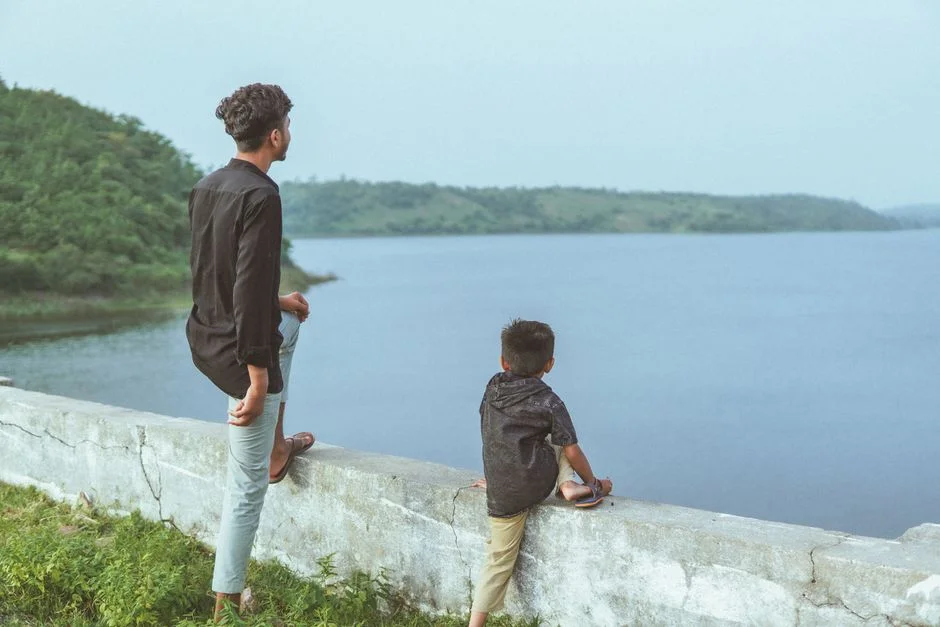
Upon finding the child, the worker promptly contacted local authorities, and the boy was taken to safety. Police reprimanded the father for his actions, highlighting the potential dangers posed by leaving a young child unattended in a mountainous environment. The father reportedly left the boy at around mid-morning, intending to complete the climb before returning to him later.
Mount Fuji, particularly during peak climbing season, sees thousands of visitors each day. Safety protocols are often emphasized for hikers, though enforcement largely relies on individual responsibility. This incident has underscored the importance of vigilance and care when climbing with minors, prompting calls for stricter guidelines.
Local authorities were swift to respond, ensuring that the boy was unharmed and reunited with his family by the evening. No charges were filed against the father, though the incident has sparked a wider discussion on the responsibilities of parents and guardians during potentially hazardous activities.
Broader Social Implications


This incident on Mount Fuji has reignited conversations about child safety and parental oversight in recreational activities. The public reaction has been one of outrage, with many questioning the judgment shown by the father in deciding to leave his child alone on such a famed yet potentially perilous mountain.
Child welfare advocates have seized on the event to reiterate the necessity for public awareness campaigns that focus on the safety of children in all environments. The discussion is part of a broader movement within Japan to enhance child protection laws and community education on family safety during leisure activities.
The cultural significance of Mount Fuji adds another layer to the discourse. As a symbol of national identity and natural beauty, the mountain attracts a diverse range of climbers, from seasoned alpinists to inexperienced tourists. The blend of these groups creates a challenging environment for enforcing safety standards, especially for families with young children.
This event also resonates with international audiences who are familiar with Mount Fuji as both a tourist destination and a cultural icon. For en-GB readers, parallels can be drawn with outdoor activities in the UK, where similar challenges around child safety in public spaces are often discussed.
Looking Forward
Moving forward, authorities and community leaders in Japan might consider implementing more stringent measures for those climbing with children. Educational initiatives could be rolled out to ensure that all visitors, particularly those with children, are aware of the risks and prepared for emergencies.
There is also scope for potential policy developments, such as mandatory safety briefings or child supervision regulations, especially during peak climbing times. These measures could serve to prevent similar incidents and ensure family-friendly environments in outdoor recreational spaces.
The next steps could involve collaboration between tourism boards, local governments, and international safety experts to create guidelines that address these complex issues comprehensively. Community involvement will play a crucial role in these efforts, ensuring that safety and enjoyment remain paramount for all who visit Mount Fuji.
With the climbing season still underway, it remains to be seen how quickly these changes can be implemented. However, the incident has undeniably opened a window for dialogue and action that prioritizes the safety of children in natural and recreational settings.
Parental Responsibility in Adventure Tourism
The incident on Mount Fuji has brought into sharp focus the complex dynamics of parental responsibility in adventure tourism. As more families seek experiences that go beyond traditional leisure activities, the demand for guidelines that ensure the safety of all participants, especially children, becomes crucial. In the UK and elsewhere, similar discussions have emerged around the responsibilities of parents who engage in adventurous activities with their children, such as hiking in the Lake District or rock climbing in the Peak District.
Adventure tourism is growing rapidly, driven by an increasing desire for unique and challenging experiences. However, this trend also raises questions about the extent to which parents should expose their children to potentially hazardous environments. While adventurous activities can provide valuable lessons and foster resilience, they also require parents to be acutely aware of their children's limitations and the inherent risks involved.
Experts suggest that parents must assess their children's physical and psychological readiness for such challenges. This involves not only considering their stamina and health but also ensuring they are mentally prepared for the unpredictability of nature. Parents are encouraged to engage in thorough planning and risk assessment before embarking on such journeys, which includes understanding the terrain, weather conditions, and emergency procedures specific to the location.
Educational programmes aimed at promoting safe adventure tourism for families are becoming increasingly important. These initiatives can offer parents the tools and knowledge needed to make informed decisions while ensuring enjoyable and safe experiences for their children. By providing resources such as safety checklists, workshops on outdoor skills, and first aid training, these programmes can significantly enhance the safety of family adventures.
Competing Views on Child Independence
While there is a strong consensus on the need for child safety, opinions differ on the level of independence children should be afforded in such activities. Some argue that carefully supervised exposure to adventure can help children develop independence and confidence. They believe that allowing children to face manageable risks under parental supervision can be beneficial for their growth.
Supporters of this view often cite the benefits of outdoor education, where children learn problem-solving skills, develop resilience, and gain a better understanding of nature. These experiences can be invaluable, fostering a sense of responsibility and self-reliance that formal education may not fully provide.
On the other hand, critics warn against pushing children into situations where the risks outweigh the potential benefits. They emphasize that children's safety should never be compromised for the sake of adventure. These critics advocate for a more cautious approach, where children's participation in challenging activities is carefully monitored and restricted to age-appropriate levels.
This debate reflects broader societal discussions about parenting styles, with some advocating for a more hands-on approach, while others support giving children greater freedom to explore and learn from their experiences. The incident on Mount Fuji serves as a reminder of the delicate balance between nurturing independence and ensuring safety, a balance that each family must navigate based on their unique circumstances and values.
What to Watch Next
The Mount Fuji incident has set the stage for potential policy changes and community initiatives aimed at enhancing child safety in outdoor activities. Observers can watch for developments in several key areas:
Policy Revisions: Authorities in Japan and other countries with popular adventure tourism destinations may consider revising safety regulations to better protect young participants. This could include mandatory safety briefings for families, child supervision requirements, and stricter enforcement of existing guidelines.
Public Awareness Campaigns: As public discourse continues to evolve, there may be an increase in awareness campaigns focused on educating families about the risks of adventure tourism and the importance of preparation and vigilance.
International Collaboration: Given the global nature of adventure tourism, there is potential for international collaboration in developing comprehensive safety standards. This could involve sharing best practices and creating unified guidelines that can be adapted to various local contexts.
Technological Innovations: Technology could play a significant role in improving safety, with apps and devices designed to help parents track their children's location and monitor environmental conditions in real-time during outdoor activities.
As these discussions unfold, the focus will likely remain on finding a balance between encouraging outdoor exploration and ensuring the safety of the most vulnerable participants. By prioritizing education, awareness, and collaboration, communities can work towards creating safer environments for families to enjoy the beauty and challenges of nature together.