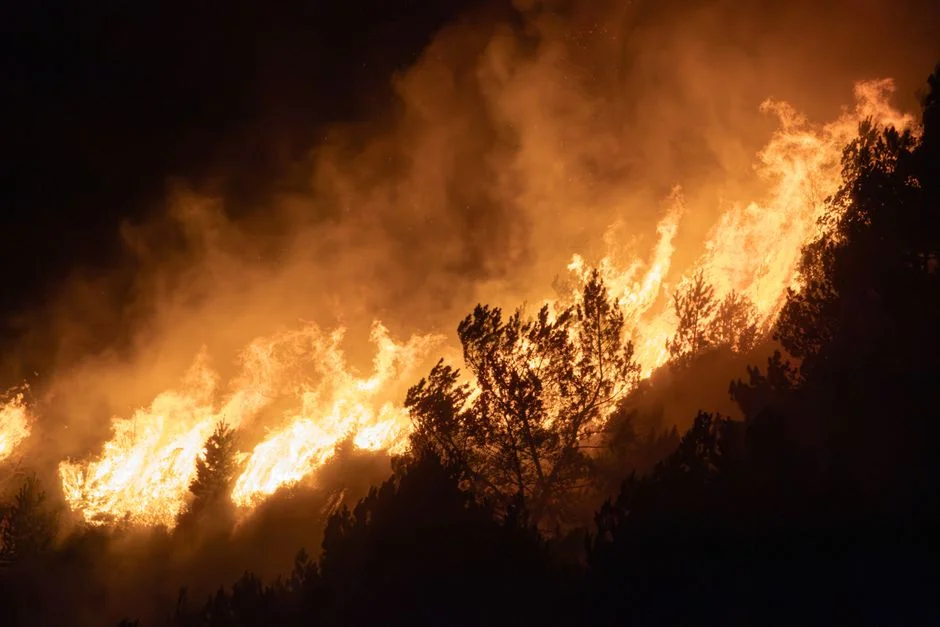
In 2023, the global drone market is expected to surpass $45 billion, a figure that underscores the rapid evolution and adoption of unmanned aerial vehicles (UAVs) across various sectors. Whether aiding humanitarian efforts, revolutionizing agriculture, or reshaping how we interact with our environment, drones are becoming indispensable tools. This rise in drone utilization is transforming industries, driving innovation, and prompting critical discussions about their impact on society.
Revolutionizing Humanitarian Efforts
Drones have emerged as vital assets in humanitarian operations, offering unprecedented capabilities in challenging environments. From disaster relief to medical supply delivery, UAVs are proving to be game-changers in how aid is provided.
Disaster Response and Recovery
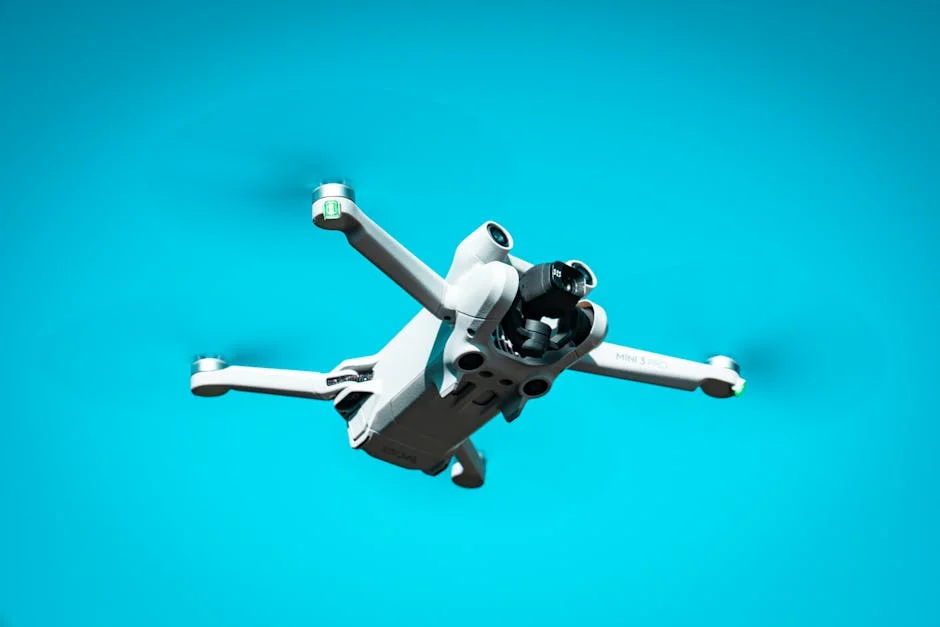
In the aftermath of natural disasters, time is of the essence. Drones equipped with high-resolution cameras and thermal imaging technology can swiftly survey affected areas, providing critical data for rescue operations. In Nepal, following the 2015 earthquake, drones were deployed to map devastated regions, facilitating efficient allocation of resources.
- Rapid aerial mapping of affected zones
- Delivery of essential supplies to isolated communities
- Assessment of infrastructure damage
- Support for search and rescue missions
Medical Deliveries in Remote Areas
Access to medical supplies in remote areas has been significantly improved through drone technology. In Rwanda, Zipline drones deliver blood and vaccines to rural clinics, drastically reducing delivery times from hours to mere minutes. This model is now being replicated worldwide, showcasing the potential of drones to enhance healthcare delivery.
These applications underscore the critical role of UAVs in humanitarian contexts, enhancing efficiency and saving lives. For those interested in exploring how drones can be leveraged for such causes, ADrones offers a wealth of information and resources.
Environmental Monitoring and Conservation

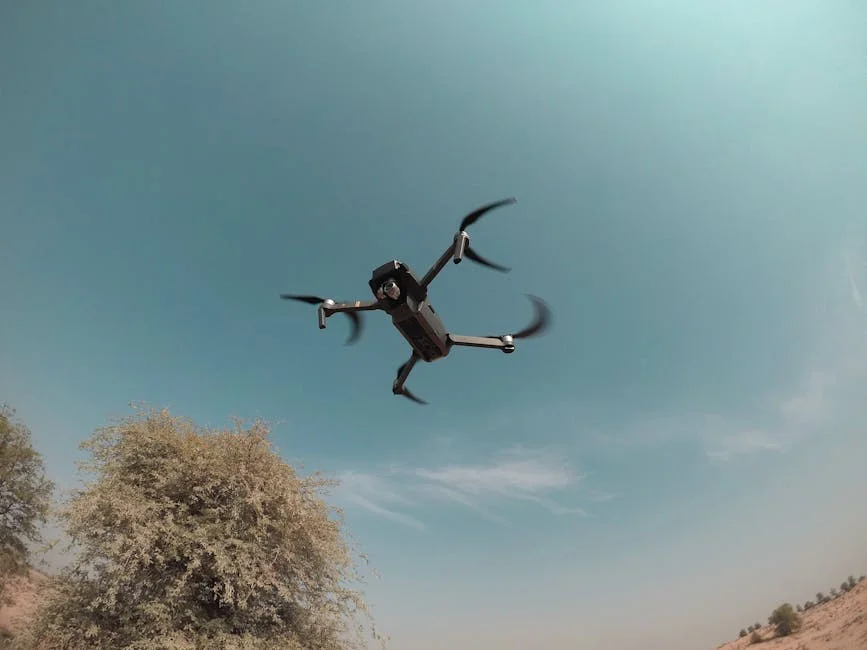
Environmental conservation efforts have been bolstered by drone technology, providing new tools for monitoring ecosystems and protecting biodiversity. UAVs offer a bird's-eye view of vast landscapes, capturing data that was once difficult or impossible to obtain.
Wildlife Protection and Anti-Poaching
In regions like Africa, drones are utilized for anti-poaching efforts, offering real-time surveillance to protect endangered species. UAVs equipped with night vision and thermal sensors can monitor wildlife without disturbing their natural habitats.
- Tracking of animal populations
- Identification of poaching activities
- Habitat mapping and analysis
- Monitoring of migratory patterns
Climate Change and Environmental Studies
Drones are also instrumental in climate research, providing data on glacier movements, coastal erosion, and deforestation. In the Amazon rainforest, drones capture high-resolution imagery and data, aiding in the fight against illegal logging and deforestation.
These applications are crucial for understanding and mitigating environmental challenges. Drone enthusiasts and professionals can find detailed drone reviews and guides to select the best UAVs for environmental monitoring tasks.
Transforming the Consumer Market
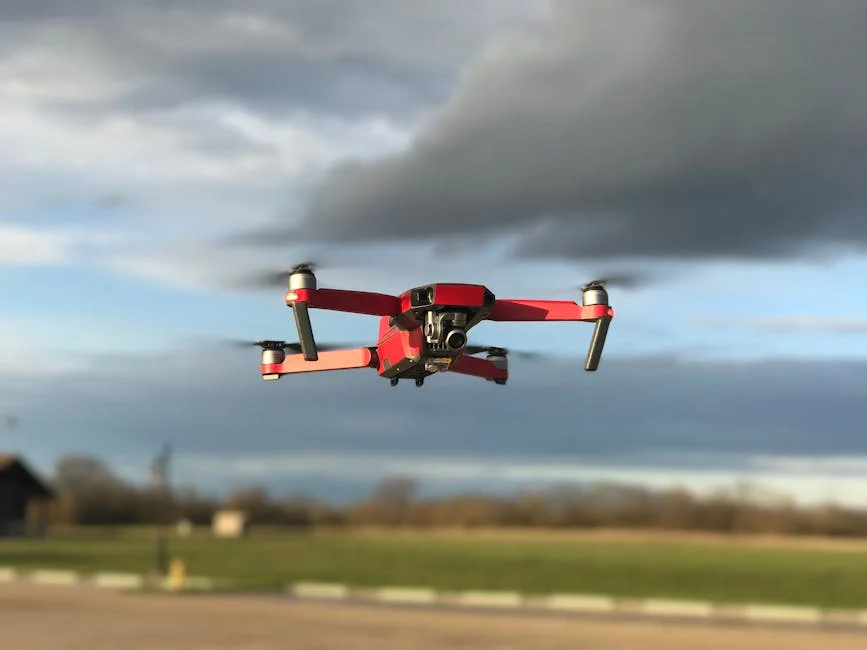
The consumer drone market is booming, driven by advancements in technology and decreasing costs, making drones more accessible to the general public. These UAVs are not only tools but also a source of entertainment and creativity.
Photography and Videography
Drones have revolutionized photography and videography, allowing enthusiasts and professionals to capture stunning aerial shots. The ability to record from unique perspectives has expanded the creative possibilities for content creators globally.
- High-definition aerial photography
- Live streaming capabilities
- Advanced stabilization technology
- User-friendly interfaces for beginners
Recreational and Educational Uses
Beyond photography, drones are used for recreational purposes and educational tools. Drone racing has become a popular sport, while educational institutions incorporate UAVs into STEM programs, engaging students in technology and engineering.
The growing interest in consumer drones necessitates reliable sources for advice and purchasing. ADrones stands out as a leading platform for expert reviews, buying guides, and the latest technology news.
Implications for Society and Regulation
While drones offer numerous benefits, they also present challenges, particularly concerning privacy, safety, and regulation. Balancing innovation with responsible use is critical as UAVs become more integrated into daily life.
Privacy Concerns and Ethical Use
The ability of drones to capture detailed imagery raises privacy concerns. Ensuring ethical use requires strict adherence to guidelines and regulations, protecting individual privacy and mitigating potential misuse.
- Adherence to flight regulations
- Implementation of no-fly zones
- Public awareness and education
- Development of privacy protection technologies
Regulatory Frameworks
Governments worldwide are establishing regulatory frameworks to govern drone usage, addressing issues of airspace safety and privacy. These regulations are essential to fostering innovation while ensuring the safe integration of drones into society.
Staying informed about these developments is crucial for both hobbyists and professionals. Platforms like ADrones provide updated information on flight regulations, helping users navigate the complex landscape of drone laws.
Looking Ahead: The Future of Drones
As drone technology continues to advance, its potential applications are seemingly limitless. From urban air mobility concepts to autonomous delivery systems, drones are poised to revolutionize how we live and interact with the world. This burgeoning technology invites collaboration across industries, encouraging innovation while addressing societal and environmental challenges.
The rapid growth of the drone market, highlighted at the beginning of this article, is a testament to its transformative power. As we look ahead, embracing this technology responsibly will be paramount in unlocking its full potential, ensuring that drones continue to enhance our world in meaningful ways.
See Also
- Meta and Amazon Slash Jobs — Global Layoff Wave Hits Markets
- Public Protector Slams Gauteng Over Delayed Hospital Repairs