Global airlines are facing mounting pressure as fuel prices continue to increase, prompting a wave of ticket price adjustments. This trend, prominently observed in the United States and Israel, is set to ripple across the travel industry, affecting both businesses and consumers. With the cost of jet fuel rising by approximately 30% in the past year, airlines are struggling to maintain profitability while navigating these economic challenges.
Impact on Airlines and Ticket Prices
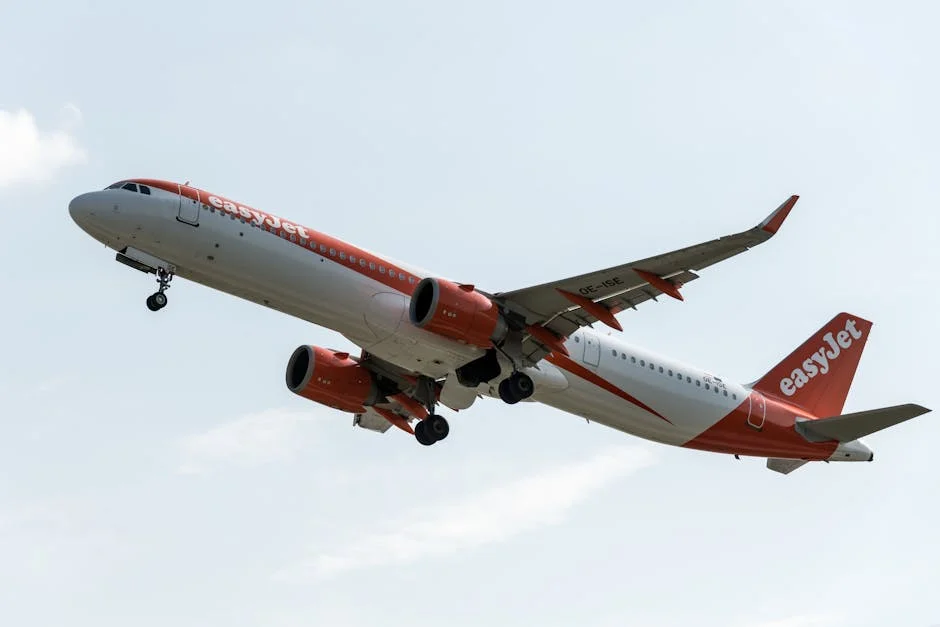
In response to escalating fuel costs, many airlines, including American Airlines and El Al Israel Airlines, have begun raising ticket prices to offset expenses. For instance, American Airlines recently announced an average fare increase of 5% on domestic routes. This move is a direct response to the sharp increase in operational costs attributed to fuel prices.
The increase in prices is not confined to the United States and Israel. Airlines in other regions are also adjusting fares, making travel more expensive worldwide. This trend is causing concern among frequent travellers and holidaymakers, who may face higher costs during peak travel seasons.
Economic and Market Repercussions


The rising fuel prices are not only affecting airline operations but are also influencing broader economic patterns. For instance, the aviation industry is a significant contributor to global GDP, and higher travel costs can slow down economic growth by reducing consumer spending in other sectors.
Investors are closely monitoring these developments as airline stocks experience volatility. The airline sector on major stock exchanges like the NYSE has seen fluctuations, with companies' share prices reacting to announcements of fare increases and quarterly earnings reports.
How Airlines Are Adapting
Operational Strategies
To mitigate the impact of high fuel prices, airlines are adopting various strategies. Some are investing in more fuel-efficient aircraft, which can reduce fuel consumption per passenger. Others are exploring alternative fuels, though these technologies are not yet widely available or cost-effective.
Additionally, airlines are revising their route networks to optimise fuel efficiency. This involves cutting underperforming routes and focusing on high-demand corridors that offer better economies of scale.
What This Means for Travellers
For consumers, the implications of rising ticket prices are significant. Travellers may need to adjust their budgets and travel plans, considering potential fare increases when booking flights. In addition, the increase in costs could impact travel demand, potentially leading to a more competitive market as airlines vie for passengers.
Travel industry experts recommend booking flights well in advance and considering flexible travel dates to find the best deals. Additionally, loyalty programmes and credit card rewards can offer some relief by providing discounts or points that can be redeemed for future travel.
Looking Ahead
As the aviation industry navigates this challenging period, stakeholders are keeping an eye on potential regulatory measures and technological advancements that could alleviate fuel cost pressures. The next few months will be crucial as airlines release quarterly earnings reports, which will provide further insights into how they are coping with these economic challenges. Travellers should stay informed about fare trends and be prepared for potential changes in ticket pricing strategies.
See Also
- Prince William Slams Brother as 'Opportunist' — Ripple Effects on UK's Image
- Cubs' Swanson Exits Game With Injury — Impact on Market and VE
What is the latest news about airlines raise ticket prices as fuel costs surge what travellers should know?
Why does this matter for economy-business?
What are the key facts about airlines raise ticket prices as fuel costs surge what travellers should know?