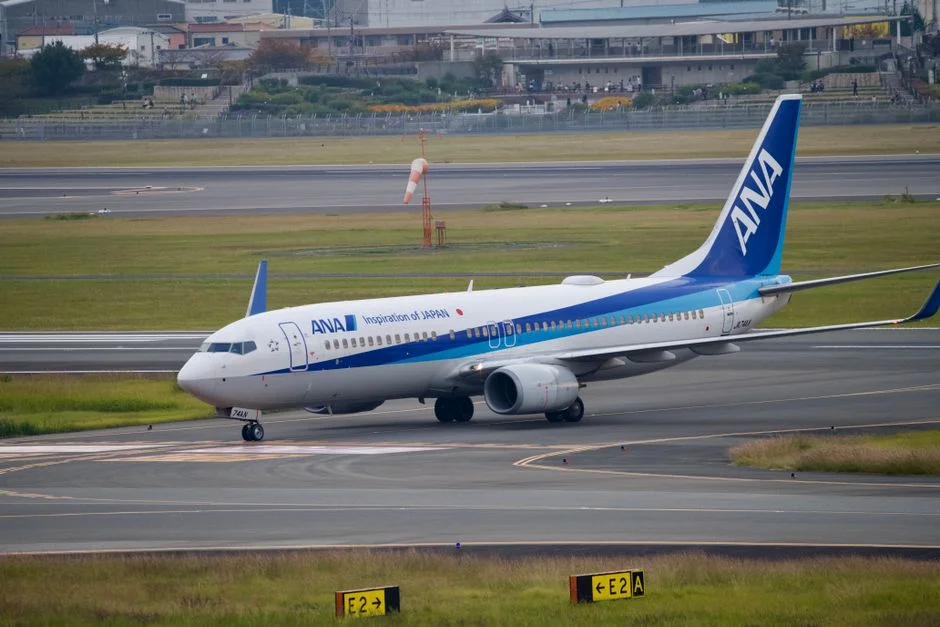
In a dramatic escalation of maritime tensions, Iranian commandos seized an India-bound ship in the strategic Strait of Hormuz. The incident, captured on video, occurred on Tuesday and heightened concerns about the security of a vital corridor through which a fifth of the world's oil passes.
Details of the Seizure
The ship, identified as the MV Star, was en route to India when it was intercepted by Iranian forces. The video footage, released by Iranian state media, shows masked commandos descending onto the vessel from a helicopter. The Iranian Ministry of Defence claims the seizure was due to unspecified violations, though no concrete evidence has been provided.
The Strait of Hormuz, a narrow passage between the Persian Gulf and the Gulf of Oman, is a crucial chokepoint for global oil shipments. This latest incident follows a series of similar confrontations, raising alarms over potential disruptions to international shipping and energy markets.
Economic Implications for Global Markets


Impact on Oil Prices
The seizure has already sent ripples through the global oil market. Brent crude surged by 3% to $85 per barrel following the news, reflecting fears of potential supply disruptions. The volatility in oil prices could have a cascading effect on inflation, particularly in energy-dependent economies such as the UK.
Analysts warn that prolonged instability in the region could lead to sustained higher oil prices, which would impact consumer prices globally. This would particularly affect countries reliant on oil imports, potentially slowing economic growth and impacting stock markets.
Shipping and Trade Concerns
Beyond oil, the Strait of Hormuz is a critical artery for international shipping. The seizure may prompt shipping companies to reroute vessels, increasing transit times and costs. This could affect global supply chains, exacerbating existing challenges post-pandemic.
Shipping companies are already assessing the risks of navigating through the strait. A prolonged period of insecurity could compel insurers to increase rates, further escalating costs for businesses reliant on maritime transport.
Reactions from India and International Community
India, a major stakeholder in the region's stability, has issued a statement condemning the seizure and urging Iran to release the vessel. New Delhi has also called for international diplomatic efforts to ensure the free passage of ships through Hormuz.
The United Nations and various global powers have echoed India's sentiment, with calls for restraint and dialogue to prevent further escalation. The incident places additional pressure on ongoing negotiations between the US and Iran regarding nuclear agreements and sanctions.
What to Watch Next
Observers will be closely monitoring the response from international naval forces, particularly those from the US and its allies, who have a vested interest in maintaining freedom of navigation through Hormuz. Any military build-up in the region could further destabilise the already fragile situation.
Additionally, the upcoming OPEC meeting could be pivotal in determining the collective response of oil-producing nations to the developments in Hormuz. Markets and investors will be watching for any signs of policy shifts or production adjustments that could influence global oil prices.
See Also
- El Valencia Basket Narrowly Misses Comeback — Impacts on UK Markets
- Tashinga Skepa Inspires Strand Residents by Regaining Mobility After Surgery
A prolonged period of insecurity could compel insurers to increase rates, further escalating costs for businesses reliant on maritime transport.Reactions from India and International CommunityIndia, a major stakeholder in the region's stability, has issued a statement condemning the seizure and urging Iran to release the vessel. See AlsoEl Valencia Basket Narrowly Misses Comeback — Impacts on UK MarketsTashinga Skepa Inspires Strand Residents by Regaining Mobility After Surgery
What is the latest news about iranian commandos seize indiabound ship hormuz passage tension rises?
Why does this matter for economy-business?
What are the key facts about iranian commandos seize indiabound ship hormuz passage tension rises?