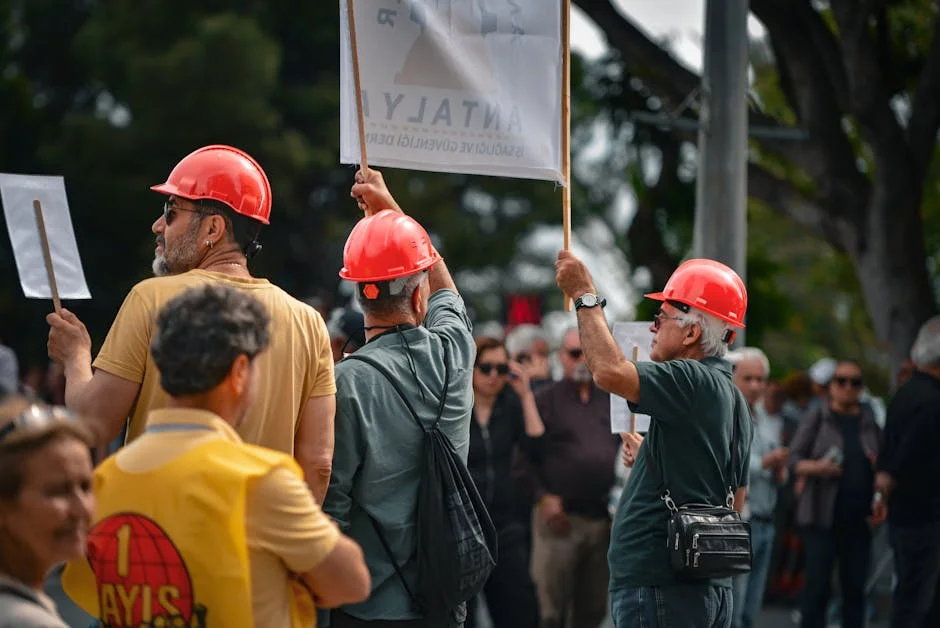
The West Bengal Elections 2026 witnessed a voter turnout of 78.77% as of 3 p.m. This substantial turnout underscores the state's pivotal role in India's political landscape. However, the elections were marred by clashes in Murshidabad, raising concerns over political stability.
High Voter Turnout and Its Economic Impact
The robust voter turnout in West Bengal, a key state in India's economic framework, could lead to significant policy shifts that affect both local and international markets. West Bengal's economy, the sixth largest in India, contributes significantly to sectors such as agriculture, textiles, and information technology.

A change in the assembly's composition may influence market regulations and economic policies, potentially impacting investor confidence. Businesses operating in the region are closely watching the election outcomes to strategise their next moves.
Clashes in Murshidabad: A Cause for Concern
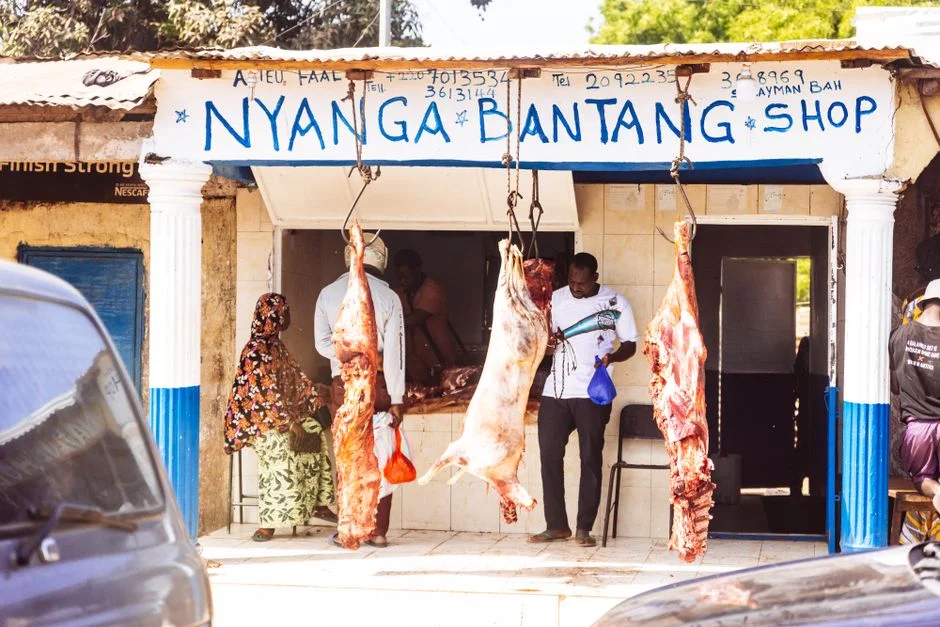

The clashes in Murshidabad during the election could have ramifications for market stability. Political unrest often leads to uncertainty, which can deter investment and disrupt supply chains. Murshidabad, known for its silk industry, plays a vital role in the state's economic output.
Continued unrest could lead to a decline in production and exports, affecting not only local but also international businesses that rely on these goods. The situation requires careful monitoring by market analysts and investors.
Implications for Global Investors
International investors are keenly observing the election process in West Bengal. The state's policies can influence foreign direct investment flows into India. A stable political environment is crucial for maintaining investor confidence, especially from the UK, which has substantial trade ties with India.
Potential Policy Shifts
Potential policy shifts following the elections could affect sectors like renewable energy and technology, where the UK has significant investments. Changes in tax policies or regulations could either bolster or hinder these investments.
What to Watch Next
As the election results unfold, businesses and investors should keep an eye on policy announcements from the new assembly. Any signs of policy shifts or continued unrest in regions like Murshidabad could signal changes in market dynamics.
The final results and subsequent policy decisions are expected to be announced within the next week, setting the stage for economic strategies in both local and international contexts. Stakeholders should prepare for potential market volatility as new developments emerge.
See Also
- Debemos Struggles Slam EuroBasket Hopes - Impact on UK Sports Betting Markets
- Portugal Urges Venezuela to Ease Tensions as Economic Crisis Deepens