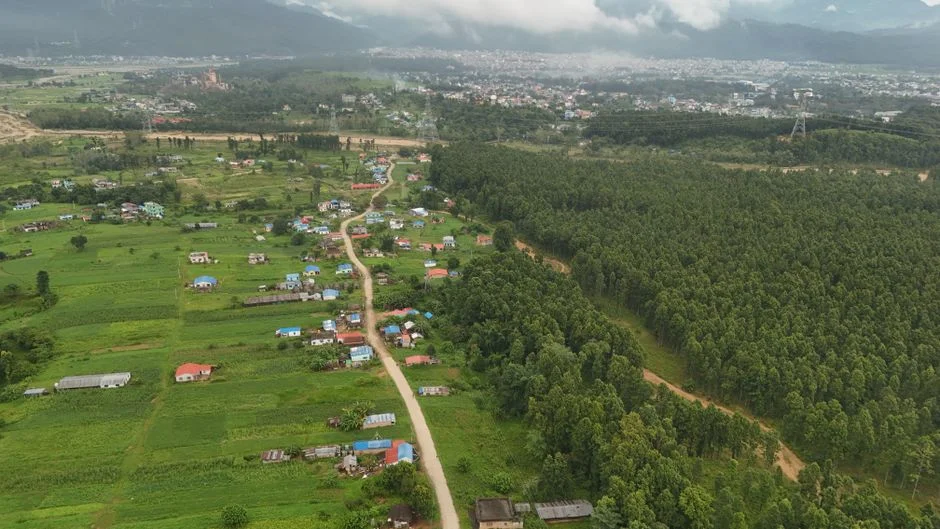
Aligarh, a city in northern India, experienced a much-needed break from the relentless heatwave as clouds covered the sky early on Wednesday. This change in weather has led to a significant drop in temperatures that previously soared above 40 degrees Celsius, offering relief to residents and businesses alike.
Weather Shift Impacts Local Economy
The cooler weather in Aligarh is expected to have immediate economic implications, particularly for sectors dependent on climate conditions. Agriculture, a major component of Aligarh's economy, stands to benefit significantly as crops previously stressed by the heat can now recover. Farmers are optimistic about improved yields, which could stabilise local food prices.

Additionally, local businesses, particularly those in retail and hospitality, anticipate increased foot traffic as shoppers and tourists venture out in the cooler temperatures. This could boost sales and in turn, amplify revenue for these sectors, providing a much-needed economic uplift.
Market Reactions and Investor Sentiment


The weather change has also caught the attention of investors who are closely monitoring its impact on stock prices of companies reliant on regional markets. Businesses that had faced operational challenges due to the extreme heat may now see a positive shift in their market performance.
"The cooling weather is expected to bolster consumer confidence and spending, which could lead to increased earnings for businesses," noted Rajesh Gupta, a local economist. This sentiment is reflected in the modest uptick in the regional stock index as investors anticipate a stabilisation of market conditions.
Broader Implications for the Region
Aligarh's weather shift also serves as a reminder of the broader climatic challenges faced by India. The country has been grappling with extreme weather patterns, which have significant economic repercussions. The recent relief in Aligarh underscores the need for businesses to adapt to climate variability.
Local authorities, including the Aligarh Municipal Corporation, are urged to consider long-term strategies to mitigate the effects of such weather extremes on the economy. This includes investing in infrastructure that can better withstand temperature fluctuations and ensuring that agriculture and business sectors are more resilient to climate changes.
Looking Ahead
As Aligarh enjoys a temporary respite from the heat, it remains critical to consider the longer-term economic strategies that can shield the local economy from future climate-related disruptions. Stakeholders are advised to watch for government policy changes aimed at addressing climate impacts on the economy. Additionally, businesses should prepare for potential weather shifts as climate models predict variability in the coming months.
See Also
- Classic Teams Edge Closer to Extinction as Hacemos Faces Major Challenges
- Liz Truss Launches Economic Overhaul — Markets React with Caution