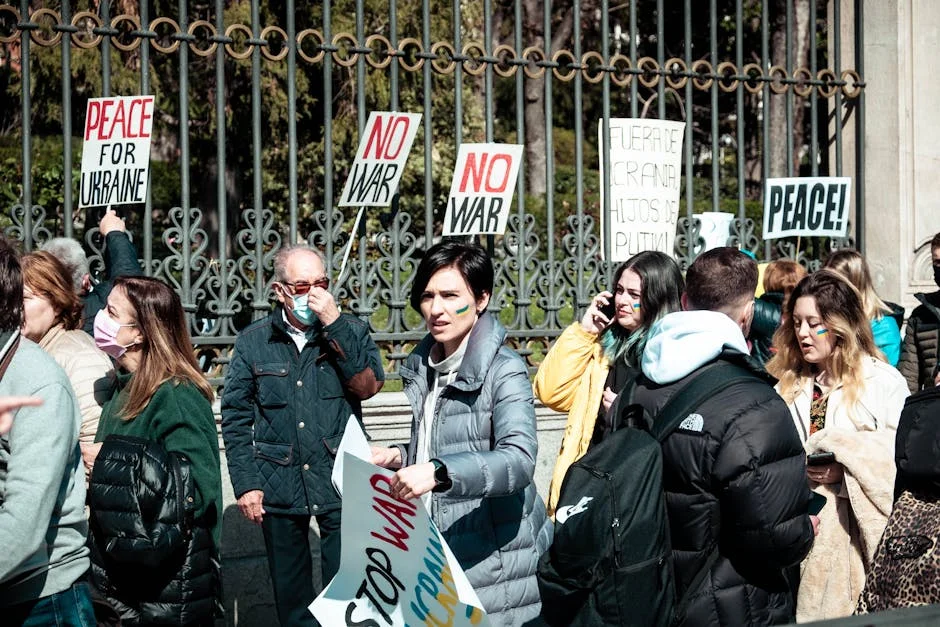
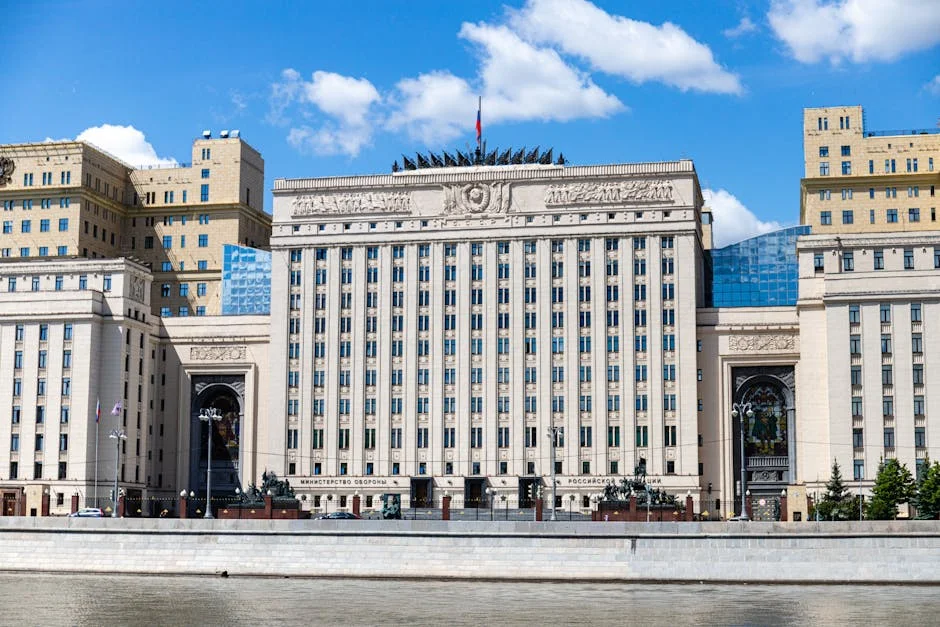
Ukraine has accused Russia of launching a major aerial bombardment of Kyiv, effectively shattering a fragile unilateral ceasefire. This sudden escalation occurs just as global investors were beginning to price in a potential stabilization of the Eastern European front. The breach introduces immediate uncertainty into energy and defence markets, forcing traders to reassess risk premiums across multiple asset classes.
Market Reaction to the Ceasefire Breach
Financial markets reacted swiftly to the news, with volatility indices spiking as traders digested the geopolitical shock. The breach undermines the narrative that the conflict was entering a plateau phase, which had previously supported steady growth in European equities. Investors are now bracing for a potential resurgence in supply chain disruptions, particularly in the energy and agricultural sectors.
European stock exchanges opened with mixed signals, but the broader trend points toward caution. The DAX in Germany and the FTSE 100 in London both saw early dips as defence stocks surged. This rotation of capital suggests that institutional investors are hedging against a prolonged period of instability rather than betting on an immediate resolution.
Energy Sector Implications


The energy market is the most immediate casualty of this diplomatic setback. Natural gas prices, which had been consolidating after months of volatility, saw a sharp upward correction. Analysts point out that any disruption to infrastructure in the Kyiv region threatens the broader logistics network that supplies Central Europe.
Gas Prices and Supply Chains
Traders are closely monitoring the North Sea Brent crude and TTF natural gas benchmarks. A sustained breach of the ceasefire could lead to a 5% to 10% increase in natural gas prices within weeks, depending on the severity of infrastructure damage. This would directly impact heating costs for households and operational expenses for industrial manufacturers in Germany and France.
Businesses that rely on just-in-time delivery models are particularly vulnerable. The uncertainty forces companies to hold larger inventories, tying up working capital and squeezing profit margins. This dynamic is already visible in the chemical and automotive industries, where energy costs constitute a significant portion of the total cost of production.
Defence Industry Boom
While energy consumers face rising costs, defence contractors are enjoying a windfall. The news of the Russian strike has triggered a rally in shares of major defence firms, reflecting investor confidence in sustained government spending. Governments across NATO are likely to accelerate procurement plans to replenish stocks and bolster deterrence.
Companies involved in ammunition, aerospace, and logistics are seeing increased order backlogs. This trend is not temporary; it reflects a structural shift in global defence budgets. Investors are looking for long-term growth in this sector, as the conflict demonstrates the need for deeper industrial capacity in Eastern Europe and beyond.
Impact on the UK Economy
For the UK, the developments in Kyiv have direct implications for inflation and monetary policy. The Bank of England is closely watching energy prices, as a spike in gas costs could reignite inflationary pressures. This could delay the anticipated rate cuts, keeping borrowing costs higher for mortgages and business loans.
British businesses with exposure to the Eastern European market are also feeling the heat. Supply chain disruptions can lead to delayed deliveries and increased freight costs. This is particularly relevant for the automotive and technology sectors, which rely on components from Poland and the Czech Republic, both of which are closely linked to the Kyiv front.
Investor Strategy Amid Uncertainty
Investors are adopting a defensive posture, shifting capital into safe-haven assets such as gold and the US dollar. This flight to quality is a classic response to geopolitical risk, but it also indicates a lack of confidence in the stability of the Eurozone economy. The pound sterling is also under pressure, reflecting the UK’s vulnerability to European energy shocks.
Portfolio managers are diversifying their holdings to mitigate risk. They are increasing exposure to commodities and defence stocks while reducing positions in cyclical sectors such as consumer discretionary and travel. This strategy aims to protect capital while positioning for potential growth in sectors that benefit from the conflict.
Business Continuity and Risk Management
Companies are revisiting their business continuity plans to account for the renewed volatility. This includes securing alternative suppliers, increasing inventory levels, and hedging against currency and commodity price fluctuations. The goal is to create buffers that can absorb the shock of sudden market movements.
Risk management teams are also focusing on geopolitical analysis. They are monitoring diplomatic talks and military movements to anticipate potential disruptions. This proactive approach allows businesses to make informed decisions about pricing, production, and investment.
Looking Ahead: Key Dates and Indicators
Investors and businesses should closely monitor the next few weeks for further developments. Key indicators include the duration of the ceasefire breach, the extent of infrastructure damage in Kyiv, and the response from international allies. The outcome of these factors will determine the trajectory of energy prices and the broader economic impact.
The next major diplomatic meeting between Kyiv and Moscow is scheduled for late next month. This event could provide clarity on the future of the ceasefire and the potential for a negotiated settlement. Until then, markets are likely to remain volatile, driven by headlines and speculation.
See Also
- Spain's Football Chief Warns Against Complacency Amid Crisis
- Tower Transit Launches Programme to Retain Older Drivers — Could Reshape Employment Trends
Looking Ahead: Key Dates and Indicators Investors and businesses should closely monitor the next few weeks for further developments. Key indicators include the duration of the ceasefire breach, the extent of infrastructure damage in Kyiv, and the response from international allies.
What is the latest news about russia shatters kiev truce energy markets react?
Why does this matter for economy-business?
What are the key facts about russia shatters kiev truce energy markets react?