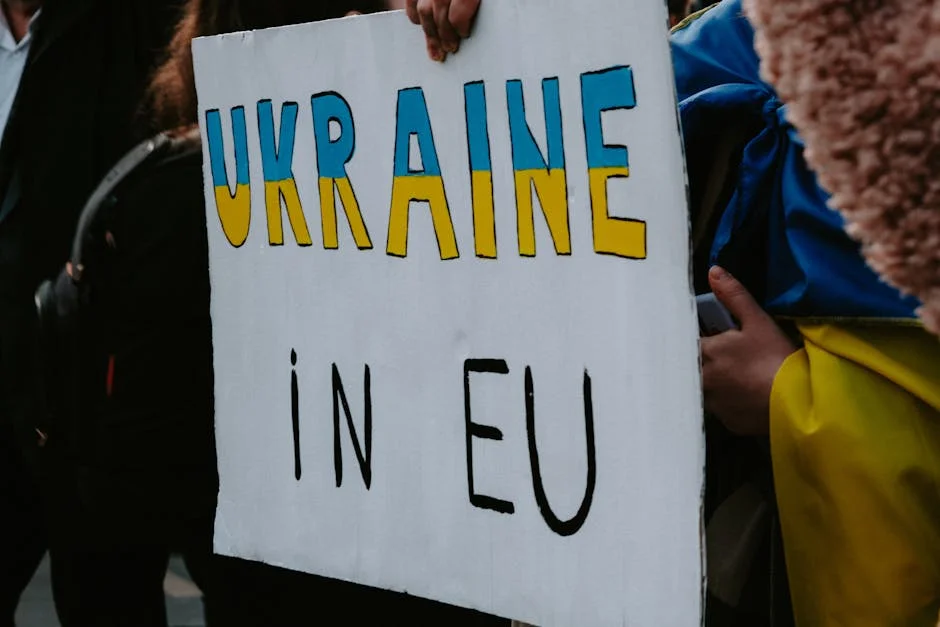
Travel has always been, in part, a political act. Where we choose to go — and equally, where we choose not to go — reflects values and sends signals. In the years since Russia's full-scale invasion of Ukraine in February 2022, a new and growing category of traveler has emerged: the solidarity tourist. These are visitors who travel to Ukraine not despite the war but in some sense because of it — drawn by a conviction that physical presence, economic spending, and human connection can contribute meaningfully to a nation under siege.
The phenomenon is real, growing, and more economically significant than many outside Ukraine realize. Services like GrandTurs Ukraine have adapted to serve this new category of visitor, offering itineraries and support that would have seemed implausible in 2021. Understanding solidarity tourism requires examining its ethics, its economics, and the remarkable resilience of the Ukrainian travel industry that has made it possible.
The Concept of Solidarity Tourism
Solidarity tourism, as a concept, sits at the intersection of several overlapping categories of purposeful travel. It shares DNA with volunteer tourism, with dark tourism (travel to sites of tragedy or conflict), and with advocacy tourism. But it has its own distinctive character — defined less by the activities undertaken than by the relationship between the traveler and the destination.
What Solidarity Tourism Is Not
Critics of wartime travel to Ukraine sometimes conflate solidarity tourism with "war tourism" — the troubling phenomenon of thrill-seekers visiting active conflict zones for the excitement of proximity to danger. This conflation is unfair and inaccurate. The solidarity tourists who visit western Ukraine, Kyiv, or even carefully managed trips to more affected areas are not seeking adrenaline. They are seeking connection — and they come bearing economic value that depleted Ukrainian communities genuinely need.
Equally, solidarity tourism is distinct from humanitarian work. Volunteers and aid workers travel to Ukraine with specific professional purposes. Solidarity tourists are travelers in the conventional sense — visiting out of curiosity, interest, and a desire to experience Ukraine — but with an additional dimension of conscious support for the country and its people.
The Motivational Profile of Solidarity Tourists
Research on wartime visitors to Ukraine and interviews conducted by travel journalists reveal a fairly consistent profile:
- Existing interest in Ukraine — from having Ukrainian friends, colleagues, or family members
- Media engagement — people who have followed the war closely and feel connected to Ukraine through journalism
- Historical and cultural interest — travelers attracted by Ukraine's rich heritage in architecture, art, music, and gastronomy
- A desire to do something beyond passive observation of a crisis they find morally significant
- Journalists and researchers who combine professional purpose with solidarity motivation
Volunteers and Journalists as Pioneers

The first wave of non-humanitarian visitors to Ukraine after the invasion were, almost exclusively, professionals with clear purposes: journalists covering the war, documentary makers, photographers, and eventually volunteers arriving to assist with logistics, medical support, or reconstruction efforts. These travelers pioneered the practical knowledge of what it means to travel to wartime Ukraine — the logistics, the security considerations, the legal requirements, and the emotional weight of the experience.
What They Found
Their accounts, published in travel journalism alongside war reporting, revealed something that surprised many international readers: Ukraine, particularly western Ukraine, remained functional, visitable, and in important ways, beautiful. Lviv's baroque architecture was intact. Coffee shops were open. The famous Ukrainian hospitality had not dimmed — if anything, wartime had intensified the warmth with which foreigners were received. Ukraine was still a country capable of hosting visitors, and Ukrainians in the west of the country actively wanted visitors to come.
Lviv: Europe's Most Visited Wartime City
Lviv has become the de facto showcase for what solidarity tourism means in practice. The city, located in western Ukraine approximately 70 kilometers from the Polish border, escaped significant physical damage in the first years of the full-scale war. Its magnificent historic center — a UNESCO World Heritage Site — remains intact. Its restaurant and coffee culture, legendary in Ukraine even before the war, survived and in some ways flourished under the stimulus of an influx of internally displaced Ukrainians and international visitors.
Lviv by the Numbers
- The city received hundreds of thousands of visitors in 2023 and 2024, predominantly from Poland, Germany, and other EU countries
- Hotel occupancy in central Lviv exceeded pre-war levels in summer 2023
- Restaurant revenues in the historic center recovered to approximately 80% of 2021 levels by late 2023
- The city's tourism infrastructure — hotels, tour guides, transport — remained operational throughout the war
- Ukrainian domestic tourism to Lviv surged as Kyiv residents relocated or visited during calmer periods
The Lviv Experience
Visitors to Lviv report an experience that defies simple categorization. The city is simultaneously at war and deeply alive. Air raid sirens punctuate days otherwise filled with excellent coffee, extraordinary food, vibrant street culture, and some of the finest Central European architecture anywhere on the continent. Sandbagged monuments and covered statues coexist with packed restaurant terraces. The Ukrainian flags and military fundraising boxes in every establishment are constant reminders of context, but they do not overwhelm a genuine experience of a city that has chosen life.
The Economic Impact of Tourism on Local Businesses
The economic argument for solidarity tourism is straightforward but worth making explicitly. Ukraine's wartime economy has suffered catastrophic losses. GDP contracted sharply in 2022. Millions of Ukrainians fled abroad, reducing both the labor force and the domestic consumer base. External revenue sources — trade, investment, remittances — have partially compensated but cannot fill the gap left by economic disruption on this scale.
Tourism as Direct Economic Injection
Tourism spending is one of the most direct mechanisms by which outsiders can transfer economic value to Ukrainian communities. A visitor who stays in a Ukrainian hotel, eats in Ukrainian restaurants, hires a Ukrainian guide, buys Ukrainian crafts and food products, and uses Ukrainian transport services creates economic ripple effects through the local economy. Every dollar spent on a Ukrainian hotel room flows through to cleaning staff, kitchen workers, food suppliers, and local producers.
- A three-day trip to Lviv spending moderately might inject $300–500 into the local economy
- Organized tour groups spending a week in western Ukraine can contribute $5,000–10,000 per group to local businesses
- Cultural tourism — visiting museums, galleries, and heritage sites — supports institutions that need revenue to maintain collections and pay staff
- Food tourism directly benefits Ukrainian farmers, producers, and the restaurant sector
Ethical Considerations of Visiting Conflict Zones
The ethics of traveling to a country at war deserve honest examination. Solidarity tourism is not without complications, and potential visitors should engage with these seriously before booking flights.
Safety and Responsibility
The most immediate ethical question is whether tourists who visit Ukraine are diverting emergency resources — hospital capacity, security attention, transport infrastructure — away from those who need them most. This concern is largely addressed by confining travel to western Ukraine, where security conditions are most stable and civilian infrastructure is not under the same pressure as in frontline regions.
Responsible solidarity tourism means:
- Traveling to areas where civilian tourism does not compete with humanitarian or military needs
- Following Ukrainian government guidelines on areas accessible to visitors
- Working with established Ukrainian tour operators rather than improvising independently
- Having appropriate insurance and emergency preparations
- Being psychologically prepared for air raid alerts and the emotional complexity of wartime conditions
The Gaze Problem
Visitors to conflict zones risk reducing the experience of local populations to spectacle — treating suffering as tourism content. Ukrainian tourism professionals have been thoughtful about this risk. The best solidarity tourism frameworks emphasize relationship and exchange rather than observation: travelers engage with Ukrainian culture, history, and people as the primary experience, with the wartime context as a dimension of that encounter rather than the attraction itself.
How to Plan Responsible Travel to Ukraine
For travelers considering a solidarity trip to Ukraine, practical planning considerations are significant. The logistics of wartime travel differ from peacetime in ways that require specific preparation.
Entry and Documentation
- Ukraine remains accessible by land from Poland, Slovakia, Hungary, Romania, and Moldova
- Most Western passport holders do not require visas for short-term visits
- Travel insurance covering conflict zones is essential and requires specialist providers
- Registration with your country's embassy in Ukraine or Poland is recommended
- Travelers should monitor advisory levels from their national governments
In-Country Planning
- Arrive with local currency (Ukrainian hryvnia) or a card that works on international networks
- Download relevant apps: air raid warning apps, offline maps, Diia (Ukrainian government services app)
- Know the location of the nearest shelter from your accommodation
- Work with established Ukrainian operators like GrandTurs Ukraine for guided experiences
- Keep communications open with contacts in your home country
Tour Operators Working in Western Ukraine
The Ukrainian travel industry adapted remarkably quickly to wartime conditions. Operators who had built businesses on pre-war tourism — Chernobyl tours, Carpathian hiking, Kyiv city breaks — pivoted to serve the new categories of visitor that wartime brought.
The Adaptation of Ukrainian Travel Businesses
Tour operators working in western Ukraine have developed expertise in designing experiences that are both genuinely rewarding for visitors and genuinely supportive of local communities. This includes:
- Cultural heritage tours emphasizing Ukrainian history, architecture, and artistic traditions
- Craft and artisan tourism connecting visitors directly with Ukrainian makers
- Culinary tourism showcasing Ukrainian gastronomy and supporting local producers
- Carpathian mountain experiences drawing on western Ukraine's outstanding natural landscape
- Historical and memorial tourism thoughtfully designed around sites of Ukrainian historical significance
What Travelers Report Experiencing
The testimonies of solidarity tourists who have visited Ukraine since 2022 are remarkably consistent in their emotional texture. Most visitors describe an experience of cognitive dissonance — the juxtaposition of beauty, normality, and wartime reality — that they find profoundly affecting.
Common Themes in Visitor Accounts
- Surprise at the functionality and vitality of Lviv and other western Ukrainian cities
- Profound respect for Ukrainian resilience and the normalization of extraordinary circumstances
- The emotional weight of conversations with Ukrainians about personal losses and wartime experiences
- A sense of having contributed, however modestly, to something that matters
- The conviction that no amount of media consumption can substitute for physical presence in understanding what Ukraine is experiencing
- A desire to return and to advocate for Ukraine within their own social and professional networks
Cultural Tourism to Support Artists and Craftspeople
One of the most meaningful dimensions of solidarity tourism is its intersection with Ukrainian cultural life. Ukrainian artists, musicians, craftspeople, and designers have continued working throughout the war — in some cases with extraordinary creative intensity, finding in art both a coping mechanism and a form of resistance.
The Ukrainian Creative Economy
Visitors who engage with Ukrainian cultural production — buying from artisan markets, attending concerts and exhibitions, visiting studios and workshops — provide direct economic support to creators who have seen commercial markets collapse. Ukrainian embroidery, ceramics, woodcraft, textile art, and contemporary design are all available to visitors willing to seek them out.
Several Ukrainian cultural institutions have specifically developed visitor programming with solidarity tourists in mind:
- Workshops in traditional Ukrainian crafts, often with instruction from master artisans
- Gallery visits paired with artist talks and studio access
- Musical performances in historic venues, maintaining cultural life under wartime conditions
- Literary and film events showcasing contemporary Ukrainian creative output
Future Mass Tourism Prospects
The solidarity tourism of today is planting seeds for the mass tourism of tomorrow. Every visitor who comes, is moved by the experience, and returns home as an ambassador for Ukraine expands the future pool of tourists who will come once the war ends and security conditions normalize.
Ukraine's Pre-War Tourism Assets
Before the invasion, Ukraine was emerging as one of Europe's most exciting undiscovered tourism destinations. Its combination of extraordinary natural landscapes, rich architectural heritage, vibrant urban culture, outstanding gastronomy, and very competitive prices had begun attracting international attention. The 2019 record of 14 million visitors suggested a trajectory toward major destination status.
These assets remain. Kyiv's golden-domed monasteries, Lviv's baroque plazas, the Carpathian mountains, the Black Sea coast, the unique cultural heritage of Odessa — none of this has disappeared. When security conditions allow post-war tourism to resume at scale, Ukraine will be positioned as one of Europe's most compelling new destinations, with the additional emotional resonance of a country that survived and rebuilt.
GrandTurs and the Travel Industry's Role in Reconstruction
Travel operators like GrandTurs Ukraine are not simply surviving the war — they are actively contributing to the reconstruction of Ukraine's economic and cultural capacity. By maintaining operations, training guides, building international relationships, and serving the solidarity tourism market, they are preserving the institutional knowledge and infrastructure that post-war mass tourism will require.
The Industry's Long-Term Role
The Ukrainian travel industry's contribution to reconstruction extends beyond immediate revenue. Tourism builds international relationships at the human level — relationships between individual travelers and individual Ukrainians that generate ongoing economic and advocacy benefits. The Polish, German, or American traveler who visits Ukraine, forms connections, and returns home will buy Ukrainian products, advocate for Ukrainian interests, and return to Ukraine as tourism normalizes. Tourism is, in this sense, a form of soft power that has concrete economic consequences.
Conclusion: Every Trip Counts
Solidarity tourism will not win Ukraine's war. It will not rebuild destroyed cities or replace lost lives. But in the complex economics of a country fighting for its existence, every source of revenue, every human connection, and every ambassador who returns home changed by the experience matters.
The travelers who are going to Ukraine now — the journalists, the curious, the connected, the morally motivated — are doing something real. They are choosing Ukraine's side in the most concrete way available to civilians: with their presence and their wallets. They are sustaining businesses and livelihoods that might otherwise not survive. They are bearing witness in ways that influence how they talk about Ukraine when they go home. And they are laying the foundation for the tourism relationships that will bring millions of visitors to a reconstructed Ukraine in the years to come.
For those considering whether to make the trip, the answer from Ukrainian tourism professionals, from previous solidarity visitors, and from the economic data is consistent: come. Travel responsibly, engage thoughtfully, spend locally, and bring the story home with you. It is, given the circumstances, one of the most meaningful trips you can take.
See Also
- Sundowns Win Ignites South African Sports Economy
- Nigerian Airlines Reject N20bn NCAA Debt — Market Reaction
What is the latest news about solidarity tourism how travelers are helping ukraine rebuild one trip at a time?
Why does this matter for Society & Culture?
What are the key facts about solidarity tourism how travelers are helping ukraine rebuild one trip at a time?