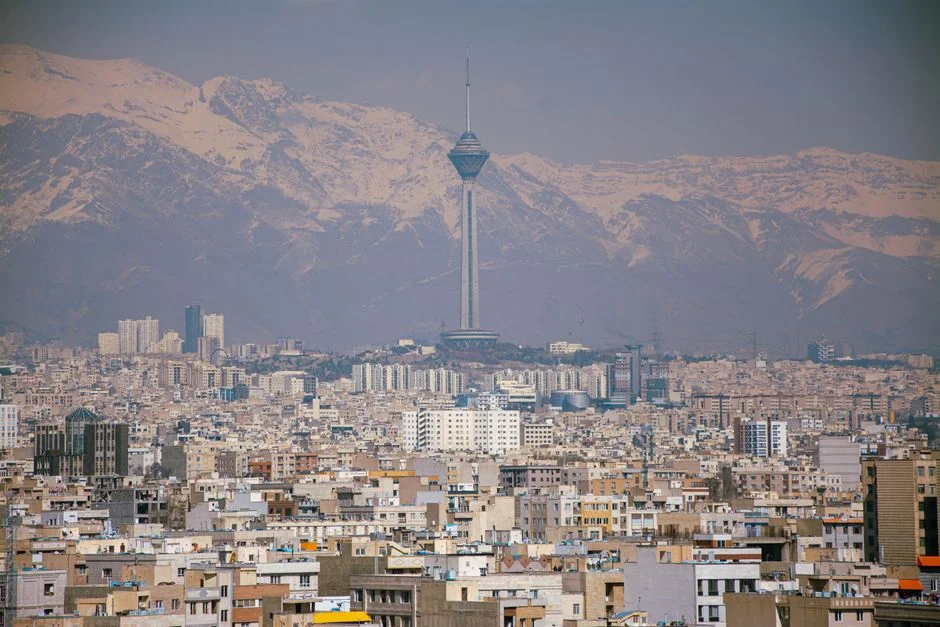
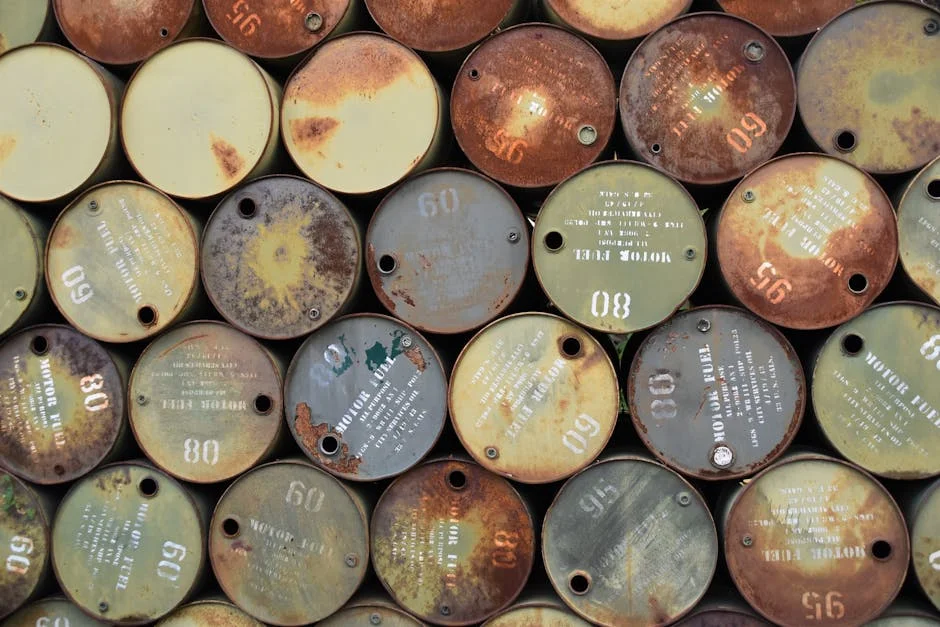
Iran’s central bank reported a drop in annual inflation to 2.8% in the latest monthly figure, offering a brief respite for domestic consumers. However, financial analysts warn this decline may be temporary, with underlying pressures building for a significant rebound in the coming quarters. This development sends mixed signals to global markets, particularly regarding the stability of the Energy impact on the UK and broader European supply chains.
Temporary Relief for the Tehran Consumer
The latest data from the Statistical Centre of Iran reveals a slowdown in price increases across key sectors. Food prices, which have historically driven inflation in the Persian Gulf nation, saw a marginal decrease. This drop provides immediate breathing room for households in cities like Tehran and Isfahan, where the cost of living has strained budgets for years.
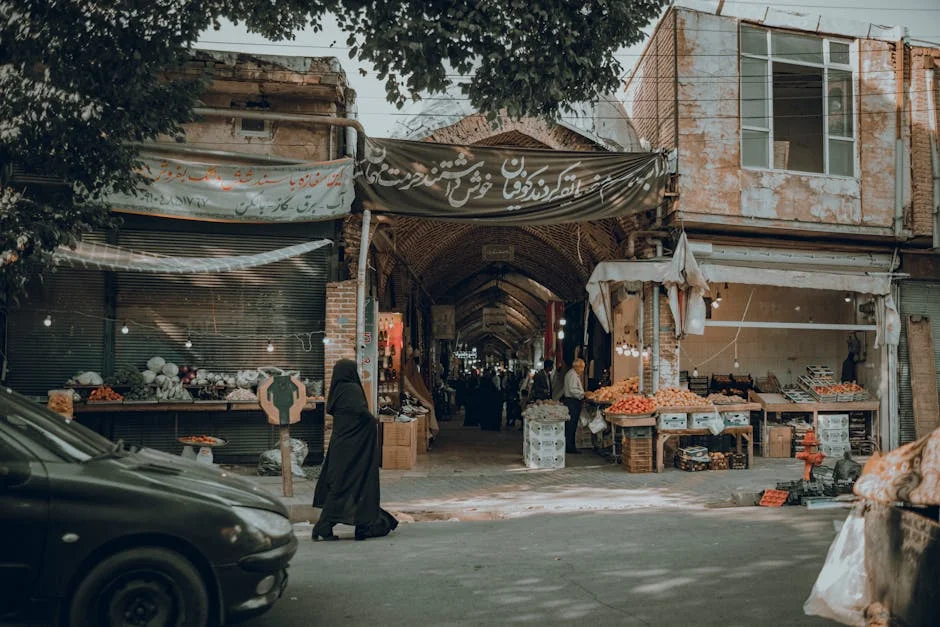
However, economists caution against reading too much into this single data point. The 2.8% figure represents a statistical correction rather than a fundamental shift in monetary policy. Many analysts argue that structural issues within the Iranian economy remain unresolved. These include currency volatility and persistent subsidy dependencies that could quickly reverse recent gains.
Global Energy Markets React to Iranian Stability


Investors are closely monitoring how how Energy affects the UK as Iran remains a key player in the global oil and gas landscape. Any sign of economic stability in Tehran can influence OPEC+ decisions on production quotas. A stable Iran might choose to maintain output levels, keeping global prices moderate for importers.
Conversely, if inflation spikes again, the Iranian government may intervene more aggressively in the energy sector. This could involve adjusting export volumes or altering pricing strategies for key buyers in Asia and Europe. Such moves would directly impact fuel costs for businesses and consumers across the Atlantic. The interconnection between Tehran’s domestic economy and global energy prices is tighter than ever.
Investment Risks and Business Implications
For foreign investors, the fluctuating inflation rate creates a complex risk profile. Companies operating in or exporting to Iran must account for sudden changes in purchasing power. Currency devaluation often accompanies inflation, affecting the return on investment for multinational corporations. Businesses need to hedge against these financial uncertainties to maintain profitability.
The uncertainty also affects supply chain planning for global firms. If Iran’s economic situation deteriorates, logistical bottlenecks could emerge at key ports and transit hubs. This would increase lead times and costs for goods moving through the region. Investors are advised to diversify their exposure to mitigate these specific regional risks. Understanding why Energy matters in this context is crucial for strategic planning.
Impact on UK Importers and Retailers
UK businesses that rely on Middle Eastern energy supplies face direct consequences from Iranian economic shifts. Volatility in Iran can lead to price swings in crude oil and natural gas. These fluctuations are passed down the supply chain, affecting everything from manufacturing costs to retail fuel prices. Companies must remain agile to absorb these external shocks.
Retailers in the UK may see changes in consumer spending patterns if energy costs rise. Higher fuel prices reduce disposable income, leading to a potential slowdown in retail sales. This creates a ripple effect across various sectors, from automotive to hospitality. Businesses need to monitor these trends closely to adjust their pricing and inventory strategies.
The Role of Monetary Policy
The Central Bank of Iran faces difficult decisions regarding interest rates and money supply. Keeping inflation low requires tight monetary policy, which can slow down economic growth. However, too much tightening can lead to stagnation, hurting businesses and employment. Finding the right balance is critical for maintaining investor confidence.
Recent policy moves suggest a cautious approach. The central bank has attempted to stabilize the Rial through targeted interventions. These measures include managing foreign exchange reserves and controlling liquidity in the banking sector. The effectiveness of these tools will be tested as global economic conditions continue to evolve. The outcome will have far-reaching implications for regional stability.
Regional Geopolitics and Economic Ties
Iran’s economic health is closely tied to its geopolitical relationships. Tensions with neighboring countries and global powers can disrupt trade and investment flows. Any escalation in regional conflicts can lead to sudden spikes in energy prices. This creates an additional layer of uncertainty for markets that rely on steady supply.
Trade agreements and sanctions play a significant role in Iran’s economic trajectory. Changes in trade policies can open up new markets or close existing ones. For instance, adjustments in oil export sanctions can significantly impact Iran’s revenue streams. These factors are critical for understanding the broader economic context. The how Iran affects the UK dynamic is shaped by these geopolitical realities.
Future Outlook and Market Expectations
Looking ahead, most economists predict a rise in inflation from the current 2.8% level. Seasonal factors, global commodity prices, and domestic policy decisions will all contribute to this trend. Markets are likely to price in these expectations, leading to increased volatility. Investors should prepare for potential fluctuations in currency and commodity markets.
The coming months will be crucial for determining the trajectory of Iran’s economy. Key indicators to watch include monthly inflation reports, central bank policy announcements, and oil production figures. These data points will provide valuable insights into the economic health of the nation. Staying informed about Iran latest news is essential for making informed investment decisions.
Businesses and investors must remain vigilant and adaptable. The interplay between domestic economic factors and global market forces is complex. Understanding these dynamics is key to navigating the uncertainties ahead. The next quarter will likely reveal whether the recent inflation drop is a blip or a trend. Watch for central bank meetings and oil price movements to gauge the next shift.
See Also
- Ethiopia Halts Voting in Several Regions — Election Crisis Deepens
- Police Warn Against Ticket Scams Ahead of BTS December Concerts in London
For instance, adjustments in oil export sanctions can significantly impact Iran’s revenue streams. Key indicators to watch include monthly inflation reports, central bank policy announcements, and oil production figures.