Afghanistan’s women’s refugee cricket team has arrived in England for a highly anticipated tour, marking a strategic intersection of sports diplomacy and economic opportunity. This initiative brings together elite athletes from Kabul and the vibrant commercial infrastructure of the UK, creating a fresh narrative for investors watching the post-pandemic revival of sports tourism. The event is not merely a sporting fixture; it represents a calculated move to leverage global attention for tangible financial returns.
The tour highlights how niche sports events can drive local economies, from London’s West End hotels to regional training facilities in the Midlands. Businesses are already positioning themselves to capture the spending power of fans, sponsors, and media crews flocking to the matches. This development offers a clear case study in how soft power translates into hard currency in the current market environment.
Sports Tourism Drives Local Revenue Streams
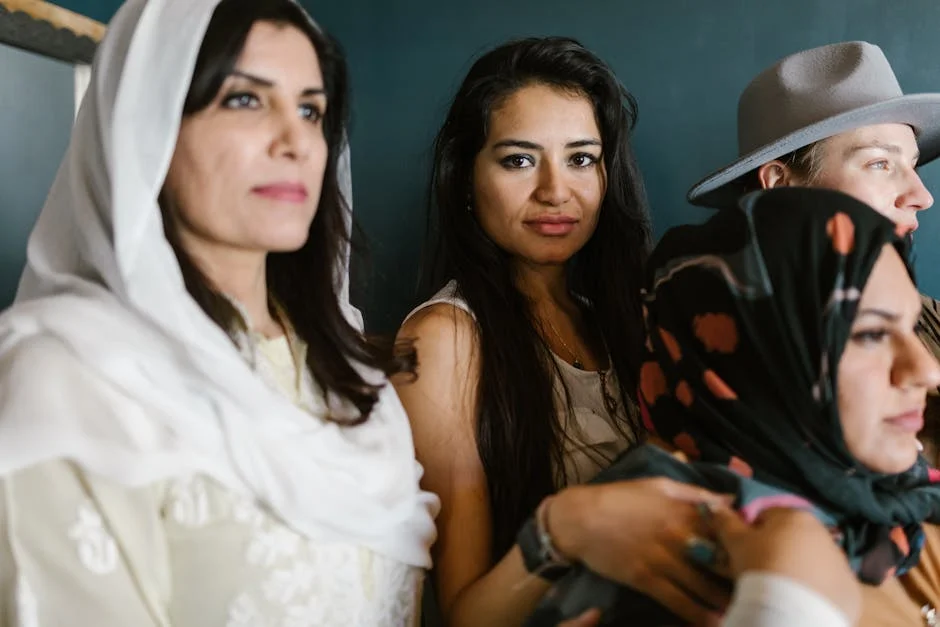
The economic impact of sports tourism is often underestimated, yet the data consistently shows a robust multiplier effect. When a high-profile team like the Afghanistan women’s refugee squad tours England, the immediate beneficiaries are hospitality providers. Hotels in cities such as Manchester and Birmingham have reported increased occupancy rates as fans travel to witness the matches. This surge in demand allows businesses to optimize pricing strategies, often introducing dynamic room rates that maximize revenue per available room.
Restaurants and local transport services also see a spike in transactions. A single match day can generate thousands of pounds in local spending on food, beverages, and taxi rides. For small business owners, this represents a significant injection of cash flow during what might otherwise be a quiet week. The concentration of visitors in specific venues creates a temporary boom in local commerce, benefiting everyone from street vendors to premium dining establishments.
Infrastructure and Venue Utilization
Stadiums and training grounds are critical assets in this economic equation. Venues like the Edgbaston Cricket Ground in Birmingham utilize the tour to fill seats that might remain empty during off-peak seasons. The rental income from these fixtures helps maintain the infrastructure, ensuring that the facilities remain competitive for future international events. This consistent utilization is vital for the financial health of sports clubs, many of which rely on diversified revenue streams to balance their books.
The presence of the Afghan team also encourages investment in venue upgrades. Organizers often introduce new technologies and amenities to enhance the spectator experience, which in turn attracts more corporate sponsors. These improvements have a long-term payoff, increasing the asset value of the stadiums and making them more attractive for future leasing deals. The economic ripple effect extends to local construction firms and technology providers who supply these enhancements.
Corporate Sponsorship and Brand Visibility


For corporations, sponsoring a team with a compelling story like the Afghanistan women’s refugee squad offers high return on investment. Brands are eager to associate themselves with narratives of resilience and global unity, which resonate strongly with modern consumers. This alignment enhances brand equity and can lead to increased sales, particularly in the apparel and beverage sectors. Companies like Nike or Adidas often see a boost in merchandise sales when their logos are prominently displayed on high-performing teams.
Sponsorship deals for this tour are likely to range from five-figure sums for regional partners to six-figure packages for headline sponsors. These funds are crucial for the team’s operational costs, including travel, accommodation, and equipment. From an investor’s perspective, this demonstrates the monetization potential of sports diplomacy, where emotional engagement translates into direct financial support. Businesses that invest early in these narratives often secure long-term loyalty from consumers who value authentic storytelling.
The media coverage further amplifies the value of these sponsorships. Television broadcasts, social media highlights, and press articles ensure that brand logos are seen by millions of viewers. This exposure is difficult to quantify precisely, but it often rivals the impact of traditional advertising campaigns. For marketers, this tour provides a cost-effective way to reach diverse demographics, including younger audiences who are increasingly influential in the consumer market.
Media Rights and Digital Engagement
The digital landscape offers another lucrative avenue for economic gain. Streaming platforms and traditional broadcasters are competing for the rights to air the matches, driving up the value of media packages. As fans consume content through multiple channels, advertisers can target specific demographics with precision. This data-driven approach allows businesses to optimize their marketing spend, ensuring that every pound invested generates measurable engagement.
Social media plays a pivotal role in this ecosystem. The Afghanistan women’s refugee team has a growing online following, which translates into high engagement rates for brands that partner with them. Posts about the tour generate thousands of likes, shares, and comments, creating organic reach that is often more valuable than paid advertising. This digital footprint is an asset that investors are beginning to recognize, leading to increased interest in sports media companies and digital platforms.
The monetization of digital content is also evolving. Subscription models, pay-per-view options, and digital merchandise sales are becoming more common. These revenue streams provide a buffer against fluctuations in traditional sponsorship income. For the Afghan team, this means greater financial independence and the ability to reinvest in player development. The economic model is shifting towards a more diversified approach, reducing reliance on single-source funding.
Investment Opportunities in Sports Infrastructure
Investors are taking note of the growing economic significance of women’s sports. The success of the Afghanistan women’s refugee team in England underscores the potential for growth in this sector. Venture capital firms and private equity investors are increasingly allocating funds to sports franchises, media companies, and infrastructure projects related to women’s athletics. This trend is driven by the realization that women’s sports offer a relatively untapped market with high growth potential.
The UK market, in particular, is well-positioned to capitalize on this opportunity. With a strong tradition of sports and a robust financial sector, England provides an ideal environment for sports-related investments. Businesses that focus on women’s sports can differentiate themselves from competitors and attract a loyal customer base. This strategic positioning can lead to higher valuations and attractive returns for early investors.
Real estate developers are also seeing opportunities in sports infrastructure. The need for modern training facilities, stadiums, and mixed-use developments is driving investment in property markets. These projects often receive government support, further enhancing their financial viability. For property investors, this represents a chance to secure long-term assets with steady cash flows from rentals and event hosting.
Challenges and Economic Risks
Despite the opportunities, there are economic risks associated with this type of sports tour. The reliance on sponsorship and media rights can create volatility in revenue streams. If the team’s performance or public interest wanes, financial returns may decrease. Businesses must therefore diversify their income sources to mitigate this risk. This includes developing merchandise lines, organizing fan events, and exploring international markets.
Operational costs can also pose a challenge. Travel, accommodation, and equipment expenses can quickly add up, particularly for a team coming from a refugee context. Efficient financial management is essential to ensure that the tour remains profitable. This requires careful budgeting and strategic partnerships to secure cost-effective solutions. Investors must assess these operational efficiencies before committing capital.
Market saturation is another concern. As more women’s sports teams enter the UK market, competition for sponsorship and media attention will intensify. This could drive up costs and compress profit margins. Businesses need to innovate to stand out, offering unique value propositions to sponsors and fans. Continuous adaptation is key to maintaining economic relevance in this dynamic sector.
Regulatory and Policy Impacts
Government policies can also influence the economic outcome of the tour. Tax incentives for sports businesses, visa regulations for athletes, and funding for grassroots development all play a role. Positive policy interventions can boost investment and drive growth, while regulatory hurdles can slow down progress. Stakeholders must stay informed about policy changes to optimize their economic strategies.
The UK government’s focus on sports as a driver of economic growth is evident in recent initiatives. These policies aim to create jobs, stimulate local economies, and enhance the country’s global standing. Businesses that align with these policy goals are likely to receive favorable treatment, including grants and tax breaks. This alignment can significantly enhance the financial performance of sports-related ventures.
Long-Term Economic Implications
The tour of the Afghanistan women’s refugee team in England is more than a short-term event; it has long-term economic implications. It sets a precedent for how sports can be used to drive economic development, particularly in emerging markets. The success of this model could inspire similar initiatives in other countries, creating a global network of sports-driven economic opportunities. This expansion could lead to increased trade, investment, and collaboration across borders.
For the UK, this tour reinforces its position as a hub for international sports commerce. It attracts global talent, investment, and attention, enhancing the country’s economic profile. This reputation can lead to more international events, further boosting the local economy. The cumulative effect of these events can transform cities into vibrant economic centers, attracting businesses and residents alike.
The economic benefits extend beyond the immediate financial gains. They include enhanced brand value, increased consumer loyalty, and improved infrastructure. These intangible assets contribute to long-term economic resilience and growth. Businesses that invest in this sector are positioning themselves for sustained success in a rapidly changing market. The key is to capture the momentum and translate it into lasting economic value.
Investors and businesses should monitor the upcoming announcement of sponsorship renewals and media rights deals, which will serve as key indicators of the tour's financial sustainability and future economic potential for the UK sports sector.
See Also
- South Africa Police Exposed in Cocaine Scandal — Economic Fallout Looms
- Manchester United Seizes Opportunity to Recruit Rafael Leao Amid Market Shifts
Investors and businesses should monitor the upcoming announcement of sponsorship renewals and media rights deals, which will serve as key indicators of the tour's financial sustainability and future economic potential for the UK sports sector. This trend is driven by the realization that women’s sports offer a relatively untapped market with high growth potential.