The United Rugby Championship quarter-finals arrive this weekend with financial stakes that extend far beyond the try line. The Stormers, Lions, and Bulls prepare to collide in a series of matches that will generate millions in direct revenue for franchise owners, sponsors, and local hospitality sectors across South Africa and Ireland. This is not merely a sporting contest; it is a critical economic indicator for the region's service industries.
Franchise Valuations and Sponsorship Returns
The financial health of URC franchises hinges on consistent on-field performance, which directly correlates with sponsorship visibility. The Stormers, based in Cape Town, have seen their brand value rise sharply due to their dominance in the conference stage. This performance attracts premium advertising rates from local banks, telecommunications firms, and energy providers. Investors monitor these matches closely as they signal the return on capital employed in player salaries and stadium infrastructure.
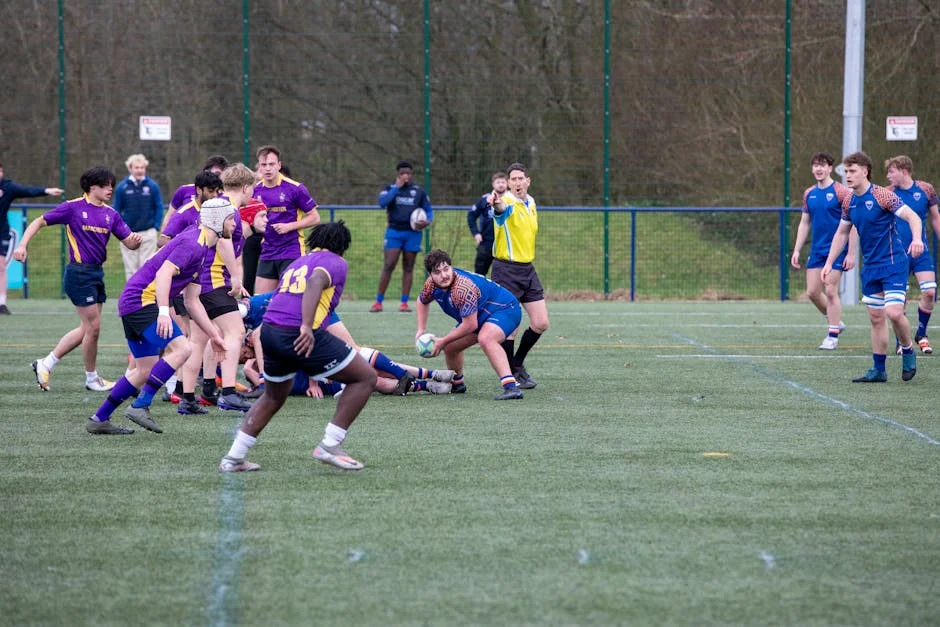
The Lions in Johannesburg and the Bulls in Pretoria face similar economic pressures. Their quarter-final appearances validate the financial models built around the Currie Cup and provincial structures. A win for either team could trigger a 10-15 percent bump in merchandise sales and increased hospitality package bookings for the semi-finals. These figures matter to stakeholders who view the franchises as quasi-public companies with fluctuating assets.
Market Implications for Local Sponsors
Sponsors such as Discovery Health and Investec derive tangible value from these high-stakes games. The exposure during a quarter-final match in Cape Town or Johannesburg reaches millions of viewers, translating into brand recall metrics that justify six-figure investment. If the Stormers advance, their primary sponsors gain extended visibility into the latter stages of the tournament. This creates a compounding effect on brand equity that extends well into the following fiscal year.
Hospitality and Tourism Revenue Spikes


The economic ripple effect of the URC quarter-finals is most visible in the hospitality sector. Cape Town, Johannesburg, and Pretoria will see a surge in hotel occupancy rates, restaurant turnover, and transport usage during the match weekends. Local businesses rely on this predictable influx of visitors to balance out slower periods in the annual economic calendar. The Stormers' home advantage at the Cape Town Stadium means the Western Cape economy will see a concentrated boost.
Hotels near the Cape Town Stadium and the Loftus Versfeld Stadium in Pretoria often report occupancy rates exceeding 85 percent on match days. This demand allows hotels to implement dynamic pricing strategies, increasing average daily rates by up to 20 percent compared to non-match days. Restaurants and bars along the main streets of these cities also benefit from the extended stay of away fans who often arrive a day early to maximize their experience.
The Lions' fans traveling to Cape Town or hosting teams will inject additional spending power into the local economies. This includes expenditure on accommodation, dining, entertainment, and ground transportation. For small business owners, these match days represent significant portions of their weekly revenue. The cumulative effect across all three cities contributes meaningfully to the regional GDP during the tournament period.
Investor Sentiment and Franchise Stability
Investors in the URC view quarter-final performances as key indicators of franchise stability. The Stormers' consistent success has made them an attractive proposition for potential investors looking for a strong return on investment. Their ability to generate consistent revenue through gate receipts, merchandise, and sponsorship deals provides a stable financial foundation. This stability is crucial in a market where player salaries continue to rise due to global competition for talent.
The Bulls and Lions must demonstrate similar financial resilience to attract new capital. Their performance in the quarter-finals will influence investor confidence in the long-term viability of the South African franchises within the URC structure. A strong showing can lead to increased investor interest, potentially resulting in higher valuations and more favorable financing terms for future stadium upgrades or academy developments.
Conversely, a disappointing performance could lead to a re-evaluation of franchise values. Investors may become more cautious, demanding higher dividends or seeking to renegotiate sponsorship deals. The financial implications extend to player contracts, where underperformance can lead to wage stagnation or increased reliance on younger, cheaper talent. This dynamic creates a direct link between on-field success and off-field financial health.
Broadcasting Rights and Media Value
The media value of the URC quarter-finals is substantial, with broadcasters competing for viewership shares that translate into advertising revenue. The Stormers' matches often draw large audiences, making them a prime slot for broadcasters in South Africa and Ireland. This viewership data is critical for media companies negotiating future broadcasting rights deals. Higher viewership numbers can lead to increased licensing fees paid to the URC, which are then distributed among the franchises.
The Lions and Bulls also contribute to the overall media package, particularly when they face off against Irish or Welsh teams. The cross-border appeal of the URC adds value for broadcasters, who can market the tournament as a pan-European sporting event. This broader appeal helps justify the investment in broadcasting rights, ensuring that franchises receive a steady stream of revenue from media companies. The financial health of the URC is thus closely tied to the ability of its franchises to capture and retain viewership.
Advertising revenue during these matches is another key income source. Brands pay premium rates for commercial breaks during high-stakes quarter-final games, knowing that the audience is more engaged and likely to convert into customers. This revenue stream is vital for franchises, helping to offset the costs of player salaries and stadium maintenance. The economic impact of broadcasting rights and advertising revenue underscores the importance of on-field performance for the financial stability of URC franchises.
Stadium Infrastructure and Capital Expenditure
The quarter-finals also highlight the importance of stadium infrastructure in driving economic returns. The Cape Town Stadium, Loftus Versfeld, and other venues undergo continuous investment to enhance the fan experience and increase revenue-generating opportunities. These capital expenditures are justified by the increased gate receipts and hospitality sales generated during key matches. The financial returns on these investments are measured through metrics such as average spend per fan and occupancy rates.
Franchises must balance the need for modernization with the financial realities of player salaries and operational costs. The Stormers, for example, have invested significantly in their stadium facilities to attract more fans and sponsors. These investments are viewed as strategic moves to secure long-term financial stability and growth. The success of these initiatives depends on the ability of the franchise to consistently perform well on the field, ensuring a steady stream of fans and revenue.
The economic impact of stadium infrastructure extends to local contractors and suppliers who benefit from construction and maintenance projects. These jobs contribute to the local economy, providing employment and income for residents in the surrounding areas. The ripple effect of these investments helps to stimulate economic activity in the regions where the franchises are based. The financial health of URC franchises is thus closely linked to the state of their stadium infrastructure and the economic activity it generates.
Player Salaries and Wage Inflation
The financial pressure on URC franchises is also evident in the rising cost of player salaries. The competition for top talent drives up wages, forcing franchises to carefully manage their financial resources. The Stormers have navigated this challenge by balancing high-earning stars with younger, cost-effective players. This strategy helps to control wage inflation while maintaining a competitive team. Other franchises must adopt similar approaches to avoid financial strain.
Wage inflation is a significant concern for franchise owners, as it directly impacts profitability. The ability to generate sufficient revenue through sponsorship, gate receipts, and broadcasting rights is crucial to covering these rising costs. Franchises that fail to manage their wage bills effectively risk financial instability, which can lead to player turnover and decreased on-field performance. The economic health of the URC depends on the ability of franchises to balance financial prudence with competitive ambition.
The quarter-finals provide a snapshot of how well franchises are managing these financial pressures. Strong performances indicate that franchises are effectively allocating resources to build competitive teams. This success translates into financial stability, allowing franchises to reinvest in their players and infrastructure. The economic implications of player salaries and wage inflation are thus a critical factor in the long-term viability of URC franchises.
Future Economic Outlook for the URC
The economic impact of the URC quarter-finals extends beyond the immediate financial gains. The tournament serves as a platform for franchises to showcase their financial health and competitive potential to investors, sponsors, and fans. Strong performances can attract new investment, leading to increased revenue and growth opportunities. The financial stability of the URC depends on the ability of its franchises to consistently deliver on-field success and financial returns.
Looking ahead, the economic landscape of the URC will be shaped by the outcomes of these quarter-finals. Franchises that advance will benefit from increased revenue and visibility, while those that fall short may face financial challenges. The economic health of the URC is thus closely tied to the performance of its franchises. Stakeholders will closely monitor these matches to assess the financial viability of the tournament and the long-term prospects for investment.
Investors, sponsors, and fans will be watching closely to see how the Stormers, Lions, and Bulls perform. The results will have significant implications for the financial health of these franchises and the broader URC ecosystem. The economic impact of the quarter-finals will be felt across multiple sectors, from hospitality and tourism to broadcasting and sponsorship. The outcomes of these matches will shape the economic future of the URC for years to come.
The next major financial milestone will be the announcement of the semi-final draw and the subsequent update in broadcasting rights valuations. Stakeholders should monitor the post-match financial reports from the three franchises for indicators of sponsorship renewal and merchandise sales trends in the weeks following the quarter-finals.
See Also
- Tatjana Maria Slams UK Market — and Investors Are Watching
- Grammarly Slams Ginger in Market Shift — and Investors Take Notice