Rising violence in Goma, a lakeside city in the Democratic Republic of the Congo, has created an atmosphere of fear and uncertainty among its residents. Recent reports indicate that armed rebels have intensified their attacks, leading to serious consequences for local businesses and the broader economy. Just last week, a man was shot in the head during an attack, a chilling reminder that safety is increasingly at risk.
Escalation of Violence in Goma
The conflict in Goma has escalated sharply in December, with rebel groups launching attacks that have deeply unsettled the local population. In the last month alone, there were over 30 armed encounters reported in and around the city, according to local authorities. This aggressive posture from the rebels has left many residents contemplating their futures in the troubled region.
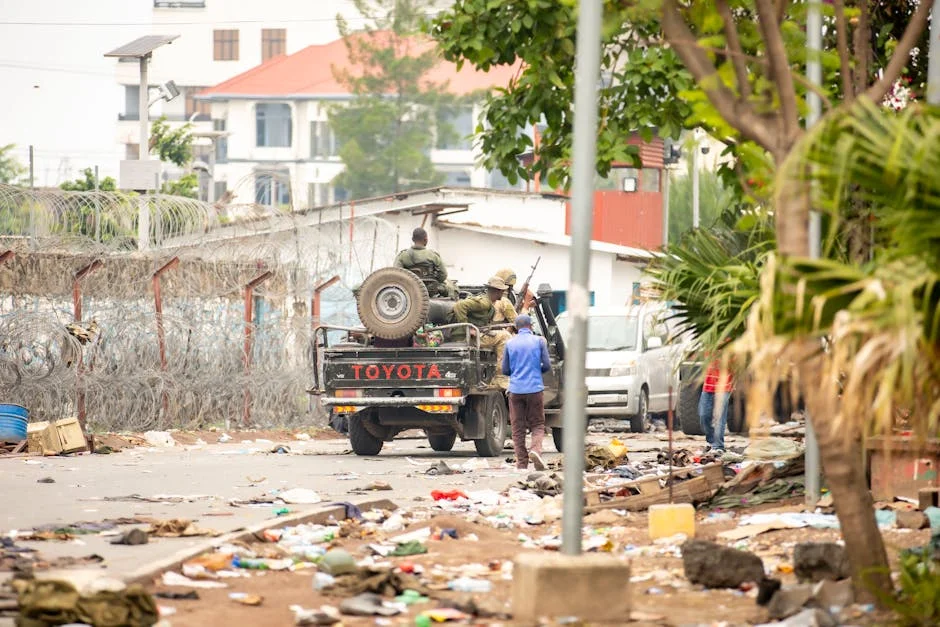
One local resident, who asked to remain anonymous, expressed their fears saying, "They shot my neighbour in the head. I don't feel safe anymore." The chilling effect of violence has disrupted daily life and sparked a wave of displacement as families flee their homes in search of safety.
Economic Consequences for Local Businesses


The ongoing violence is taking a toll on businesses in Goma, which are now facing significant disruptions. Many shops have had to close early or limit their operating hours due to safety concerns, which has already led to a reported 15% drop in local sales since the violence intensified. Vendors, who rely heavily on local patronage, are struggling to stay afloat as customers stay indoors.
Furthermore, suppliers are hesitant to deliver goods to the city, fearing ambushes on the road. This supply chain disruption is compounding financial difficulties for local businesses, as essential items become harder to source and price inflation continues to rise.
Investor Sentiment Deteriorates
The ongoing unrest is also discouraging potential investors from entering the region. Foreign direct investment, which had shown signs of recovery earlier this year, is now at risk of further decline. Analysts predict that the current climate may push investment levels down by as much as 20% in the next quarter, as investors seek safer markets.
Major corporations have begun to reevaluate their presence in the region. For instance, a leading telecommunications company has delayed its expansion plans in Goma until the security situation improves. This reluctance to invest not only hinders economic growth but also impacts job creation, leaving many unemployed.
Government and International Response
The Congolese government has pledged to bolster security efforts, deploying additional troops to Goma in the hopes of stabilising the situation. However, experts remain sceptical about the effectiveness of these measures. Human Rights Watch has called on the international community to intervene more decisively, warning that a lack of action could lead to further deterioration.
While regional military forces have been stationed to assist, their success depends on coordinated strategies and sufficient resources. The international community's involvement could play a key role in restoring order, but it may take time before tangible results are seen.
What’s Next for Goma?
The road ahead for Goma remains uncertain. The ongoing violence could escalate further, especially if the rebels feel emboldened by their recent successes. Local businesses face an uphill battle as they navigate an increasingly hostile environment.
As December progresses, residents will be watching closely for any changes in security dynamics. The potential for further violence could alter the economic landscape, pushing more businesses to their limits or forcing them to close entirely. Stakeholders, including government officials and international investors, need to pay close attention to developments, as the ramifications extend beyond local borders.
In the coming weeks, community leaders are set to hold discussions aimed at fostering cooperation between local businesses and security forces. The outcome of these meetings could provide a clearer picture of Goma's future and its economic resilience amidst the turmoil.
See Also
- Cold War Spy Networks Exposed: How They Shaped Global Markets
- Guineans Vote in Legislative Elections — Counting Sparks Economic Concerns
This reluctance to invest not only hinders economic growth but also impacts job creation, leaving many unemployed.Government and International ResponseThe Congolese government has pledged to bolster security efforts, deploying additional troops to Goma in the hopes of stabilising the situation. However, experts remain sceptical about the effectiveness of these measures.