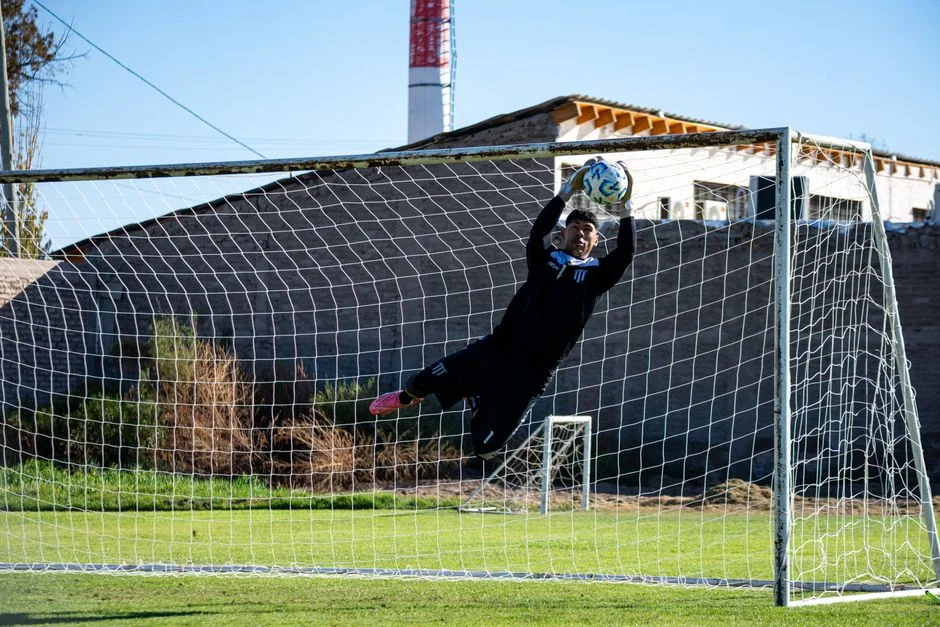
Itumeleng Khune, South Africa's veteran goalkeeper, has spoken openly about the weight of expectation that greeted Bafana Bafana's 2010 World Cup opener against Mexico. Fourteen years on, the two nations are preparing to meet again in a fixture that carries both sentimental value and increasingly significant commercial implications for South African football.
The 2010 Night That Defined a Generation
Khune was between the posts when South Africa faced Mexico at Johannesburg's FNB Stadium on June 11, 2010. The match ended in a 1-1 draw, making South Africa the first host nation to avoid defeat in a World Cup opening game. In recent reflections, Khune described the psychological burden of that night, noting that the entire nation's hopes rested on a squad that had little experience at that level. The goalkeeper's recollection offers a window into how intense scrutiny can shape professional athletes, for better or worse.
That single evening in Johannesburg remains one of the most-watched sporting events in South African history. Broadcasting figures from the period suggest the match drew audiences numbering in the tens of millions across the continent, establishing a template for how elite football can capture national attention on an unprecedented scale.
Why This Reunion Matters Beyond Nostalgia


The upcoming fixture between Bafana and Mexico is not merely a charitable gesture toward the past. International friendly matches of this nature have become deliberate tools in national football associations' commercial strategies. The South African Football Association understands that games against established global brands like Mexico attract broadcast interest, sponsorship attention, and merchandise revenue that mid-tier friendlies simply cannot generate.
Mexico's national team carries substantial pulling power in the North American and Latin American markets, meaning the fixture holds value for potential broadcast deals across multiple regions. For South African sponsors seeking exposure beyond domestic borders, an opponent with genuine international pedigree transforms a routine friendly into a marketing opportunity worth premium investment.
Commercial Mathematics of International Football
Sports economists who track African football note that friendly matches against top-20 FIFA-ranked nations typically command appearance fees that can reach several hundred thousand dollars. These revenues help fund youth development programmes, cover operational costs, and provide financial stability for national associations that otherwise rely heavily on government subsidies and sporadic tournament payouts. The Mexico fixture, sources familiar with SAFA's commercial operations suggest, falls into this higher-value category.
Ticket sales at the FNB Stadium, a venue that seats nearly 95,000 spectators, represent another revenue stream that officials will be calculating carefully. The 2010 World Cup demonstrated that South Africa could fill this arena at world-class levels; whether the friendly between Bafana and Mexico approaches those attendance figures will send signals about the commercial viability of similar high-profile friendlies going forward.
The Broader Economic Context
South African football operates within an economy that has faced considerable turbulence in recent years. The rand's volatility against major currencies affects everything from player transfer fees to the purchasing power of appearance fees earned abroad. In this environment, matches that generate hard currency revenue—through international broadcasting rights and sponsorship deals denominated in dollars or euros—carry extra significance for SAFA's financial planning.
Hospitality packages, corporate seating, and associated events around the fixture will contribute additional economic activity in Johannesburg. Hotels, transport operators, and catering companies in the immediate vicinity of Soccer City typically experience measurable upticks during major international matches, though the precise scale depends on how aggressively SAFA prices these supplementary offerings.
Building Toward 2026 World Cup Qualifiers
For the current Bafana squad, the Mexico reunion serves a sporting purpose that should not be overlooked amid the commercial calculations. Head coach Hugo Broos has identified high-calibre opponents as essential preparation for the demanding qualification campaign ahead. South Africa currently sits 63rd in the FIFA rankings, placing the team in a position where friendly matches against technically proficient sides provide invaluable experience before competitive fixtures.
Khune, now 37 years old and no longer a regular starter, represents the bridge between that 2010 generation and the emerging players who will carry South African ambitions forward. His reflections on handling pressure in 2010 offer lessons that the current squad can apply, whether in friendlies or the high-stakes environment of World Cup qualification.
What Happens Next
The fixture date and venue details are expected to be confirmed within the coming weeks, allowing both associations to finalise broadcast schedules and marketing campaigns. SAFA officials have indicated that ticket pricing will be announced with enough lead time to allow supporters to plan attendance, a strategy designed to maximise crowd numbers while protecting the association's commercial interests.
Beyond this single match, the trajectory of South African football's commercial appeal will depend partly on results and performances against opponents of Mexico's calibre. Every positive outcome strengthens the case for future high-value friendlies, creates bargaining power in sponsorship negotiations, and reinforces the economic argument for continued investment in national team infrastructure. The Mexico reunion, in this light, represents both an end and a beginning—the culmination of one story and the opening chapter of another.
See Also
- Al Ahly Crushes ENPPi — What This Means for Egyptian Stadium Economy
- Jason Vanporppal’s Viral Run Triggers Tourism Boost in Southern Africa
The rand's volatility against major currencies affects everything from player transfer fees to the purchasing power of appearance fees earned abroad. In this environment, matches that generate hard currency revenue—through international broadcasting rights and sponsorship deals denominated in dollars or euros—carry extra significance for SAFA's financial planning.Hospitality packages, corporate seating, and associated events around the fixture will contribute additional economic activity in Johannesburg.
What is the latest news about khune reveals how 2010 world cup pressure shaped his career as bafana face mexico reunion?
Why does this matter for opinion?
What are the key facts about khune reveals how 2010 world cup pressure shaped his career as bafana face mexico reunion?