Washington expanded its sanctions regime against Hezbollah-aligned officials this week, blacklisting individuals and entities accused of undermining diplomatic efforts in the Middle East. The designations, announced by the Treasury Department's Office of Foreign Assets Control, target key financial networks and political figures linked to the Iran-backed group. The move represents one of the most sweeping enforcement actions against Hezbollah's economic infrastructure in recent years.
Sanctions Designations Target Financial Networks
The Treasury Department confirmed it had designated four individuals and three business entities operating across Lebanon and Syria. Officials said these actors facilitated fundraising and money laundering operations that helped sustain Hezbollah's military capabilities. The designations freeze any US assets held by those named and prohibit American persons and companies from conducting business with them. Treasury Secretary Janet Yellen stated the action sends a clear message that the United States will not tolerate efforts to derail peace negotiations through intimidation or violence.
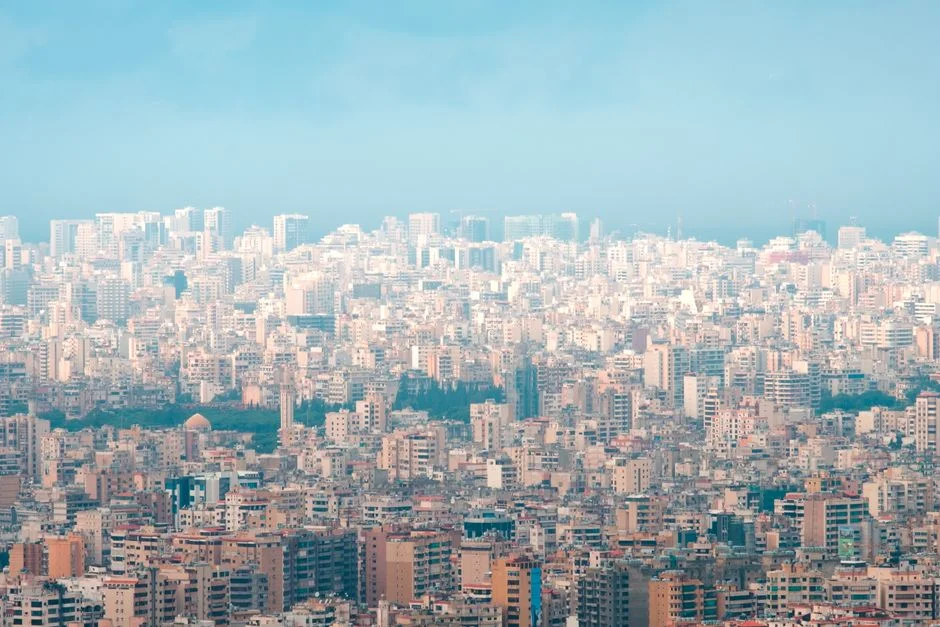
Among those blacklisted are individuals with business interests in Beirut's financial district and along the Syrian-Lebanese border. The Treasury identified specific shell companies incorporated in the Cedar Islands jurisdiction that have moved millions of dollars through informal banking channels. Authorities in Washington say the timing of these sanctions reflects intelligence indicating increased Hezbollah interference in ongoing regional peace talks.
Economic Pressure Mounts on Lebanon

Lebanon's battered economy faces fresh headwinds as the sanctions risk cutting off remaining legitimate banking channels connecting Beirut to international markets. The country is already navigating one of the world's most severe financial collapses since the mid-19th century, with its currency losing more than 95 percent of its value since 2019. The new US designations compound these challenges by restricting what little foreign investment remained viable for Lebanese businesses operating near Hezbollah-affiliated sectors.
Bankers in Beirut told reporters the sanctions create a chilling effect across the entire financial sector. Even transactions unrelated to designated parties now face heightened scrutiny from correspondent banks, many of which have reduced their Lebanese exposure to near zero. The Central Bank of Lebanon has issued no public statement regarding the designations, though officials speaking on background confirmed internal emergency meetings took place.
Investors Weigh Regional Exposure
Global investors with Middle Eastern holdings are recalculating their risk profiles following the announcement. The sanctions signal potential secondary listings for any entity found to facilitate Hezbollah's financial operations, even tangentially. Asset managers in London and New York have begun reviewing their portfolios for exposure to Lebanese sovereign debt and regional equities that could face indirect consequences.
Exchange-traded funds focused on frontier markets saw modest outflows in Thursday trading. Analysts at investment banks tracking the region noted the sanctions could accelerate capital flight from Lebanese institutions already struggling with insolvency. The country's banking sector, once a regional powerhouse, now faces potential further isolation as international counterparties exit relationships to avoid regulatory exposure.
Impact on Trade and Remittance Flows
Lebanon depends heavily on remittances from its diaspora, with billions of dollars flowing into the country annually through banking and informal channels. The sanctions threaten to constrict these lifelines, particularly if recipients or senders have any connection to Hezbollah-affiliated networks. Humanitarian organisations working in Lebanon have raised concerns that broad sanctions enforcement could inadvertently disrupt aid distribution to vulnerable populations.
Iran Braces for Escalation
Tehran condemned the sanctions as an act of economic warfare. Iran's Foreign Ministry spokesperson warned that the Islamic Republic would respond with reciprocal measures against American interests. The statement stopped short of specifying what countermeasures might be implemented, though analysts in Vienna who track Iranian financial operations expect retaliatory targeting of US subsidiaries operating in the Gulf.
The sanctions come amid heightened tensions over nuclear negotiations stalled since 2022. Western diplomats have privately acknowledged that economic pressure on Hezbollah forms part of a broader strategy to constrain Iran's regional influence. Whether the measures succeed in altering Hezbollah's behaviour or the calculations of its backers in Tehran remains uncertain, according to former intelligence officials who have briefed Congress on the matter.
What Comes Next
Washington has signalled additional designations may follow as intelligence agencies continue mapping Hezbollah's financial networks. The European Union is under pressure from the United States to align its own sanctions regime, though EU member states remain divided on the scope and enforcement of counter-terrorism financial measures. A review of EU listings is scheduled for the autumn, according to officials in Brussels.
Lebanese political parties face a deadline in the coming weeks to form a new government capable of implementing International Monetary Fund reforms required for a $3 billion bailout programme. The sanctions complicate these efforts by reducing the space for manoeuvre available to any cabinet, particularly one that might include Hezbollah-aligned ministers. Markets and investors should watch for further Treasury designations expected before the end of the quarter.
See Also
- Bengal Polls Trigger Market Uncertainty — Clashes Disrupt Phase-I Voting
- Jerome Booysen Cape Town Robbery Exposes Security Flaws — Economic Ripple Effects
Analysts at investment banks tracking the region noted the sanctions could accelerate capital flight from Lebanese institutions already struggling with insolvency. Impact on Trade and Remittance Flows Lebanon depends heavily on remittances from its diaspora, with billions of dollars flowing into the country annually through banking and informal channels.
What is the latest news about us slaps new sanctions on hezbollah officials and the economic fallout has already begun?
Why does this matter for economy-business?
What are the key facts about us slaps new sanctions on hezbollah officials and the economic fallout has already begun?