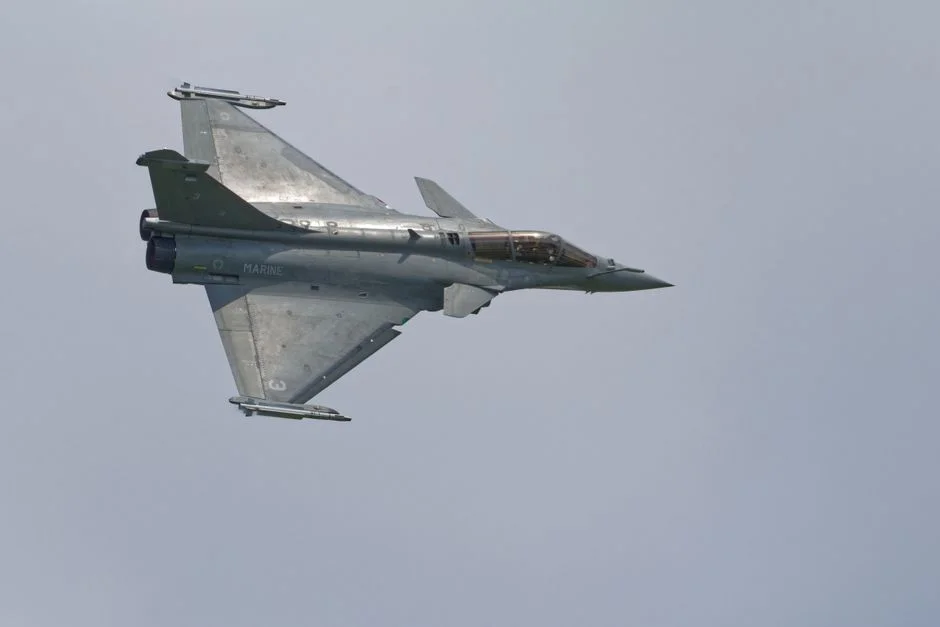
Portugal has announced a 12% reduction in its defence budget for 2024, sparking concerns over the country’s ability to meet NATO commitments and its impact on regional security. The decision, made by the Ministry of Defence, comes amid a broader fiscal consolidation plan aimed at reducing public debt. The move has raised questions about the stability of Europe’s collective security framework, with analysts warning of potential ripple effects across the continent.
Portugal’s Budget Cut: A Strategic Shift or a Crisis?
The Portuguese government confirmed the reduction in its defence spending, citing the need to prioritise healthcare, education, and infrastructure. The Ministry of Defence stated that the cuts would focus on reducing operational costs and delaying procurement projects. However, the decision has been met with criticism from military officials and international allies.

“This is a worrying signal for NATO and the European Union,” said General Carlos Ferreira, a retired military strategist. “Portugal has a responsibility to contribute to collective defence, and these cuts risk undermining that commitment.” The reduction, which amounts to over €1.2 billion, represents a significant shift in national priorities.
Market and Economic Reactions


Financial markets reacted cautiously to the news, with the Portuguese stock index, PSI 20, falling by 1.3% in early trading. Investors are concerned about the long-term implications for national security and the potential for increased reliance on foreign military support. Defence contractors with operations in Portugal, such as Airbus and Leonardo, have also seen a slight dip in share prices.
The European Central Bank has not yet commented on the impact of the cuts, but economists warn that reduced defence spending could have broader economic consequences. “A weaker military posture may lead to increased spending on external security partnerships, which could strain public finances,” said Dr. Maria Fernandes, an economist at the University of Lisbon.
Business Implications and Investment Trends
For businesses, the budget cut signals a shift in government priorities that may affect future contracts and investments in the defence sector. Several companies have already expressed concerns about the potential loss of government contracts and the uncertainty surrounding future procurement plans.
“We are closely monitoring the situation,” said Ana Costa, a spokesperson for EADS Portugal. “Any delays in procurement could impact our operations and workforce.” The uncertainty has also led some investors to reconsider their exposure to the Portuguese defence industry, with some redirecting capital to more stable markets.
Regional and Global Security Concerns
The decision has drawn attention from NATO officials, who have reiterated the importance of member states fulfilling their financial commitments. Portugal is one of the few European countries that have not met the 2% of GDP target for defence spending. The cuts may further complicate efforts to strengthen the alliance’s eastern flank amid rising tensions with Russia.
“Portugal’s move could set a dangerous precedent,” said NATO spokesperson Oana Lungescu. “Collective security depends on all members contributing their fair share.” The situation has also raised questions about the UK’s role in supporting European security, as London continues to navigate its post-Brexit strategic positioning.
Investor Outlook and Next Steps
Investors are now watching closely to see whether the budget cuts will be reversed or if further reductions are planned. The Portuguese government has not yet provided a detailed timeline for future defence spending, but the Ministry of Finance has indicated that fiscal discipline will remain a priority.
“The coming months will be critical,” said investment analyst James Whitmore. “If the budget remains unchanged, we could see a prolonged period of uncertainty in the defence sector.” The next major decision will be the release of the 2024 national budget, which is expected in early March.
As the situation unfolds, the implications for markets, businesses, and the economy remain significant. The balance between fiscal responsibility and national security will be a key issue for Portugal and its allies in the months ahead.
See Also
- IIT Gandhinagar Sever Ties With Guest Faculty Member After Supreme Court Ruling - Explained
- EU Extends Sanctions on Russian Individuals and Entities - Impact on Markets Explained
Regional and Global Security Concerns The decision has drawn attention from NATO officials, who have reiterated the importance of member states fulfilling their financial commitments. “The coming months will be critical,” said investment analyst James Whitmore.
What is the latest news about portugal cuts defence budget and europes security is at risk?
Why does this matter for economy-business?
What are the key facts about portugal cuts defence budget and europes security is at risk?