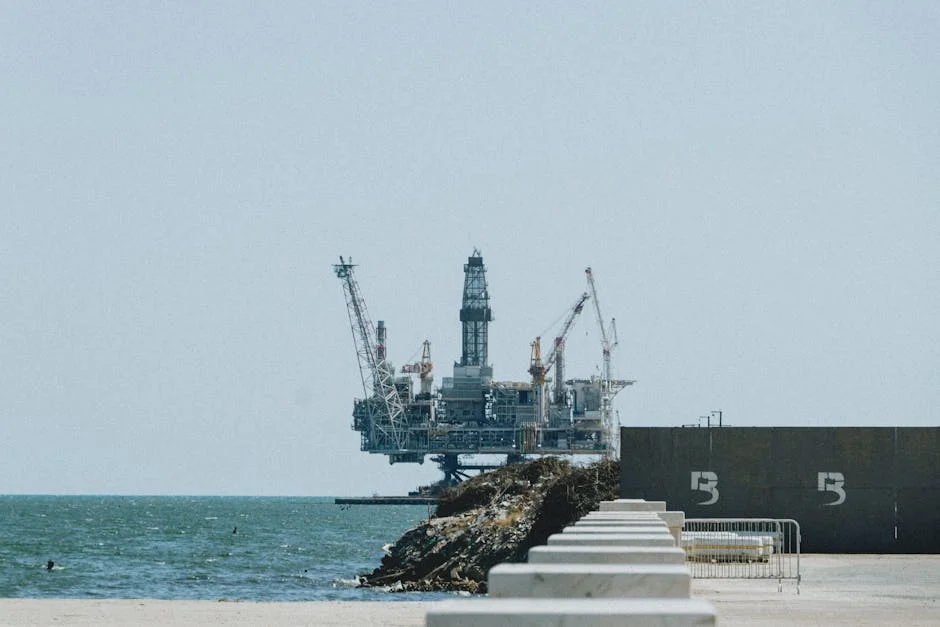
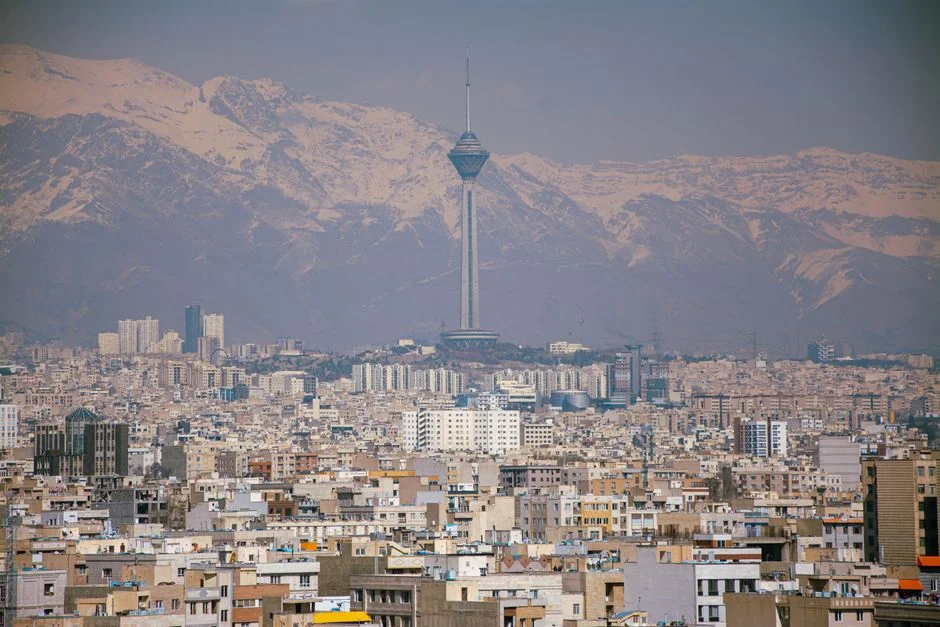
Oil prices have surged by 4% amid rising tensions between Tehran and Washington. The escalating situation has left markets jittery, impacting businesses and investors globally. The Strait of Hormuz, a strategic chokepoint for oil transportation, has become the focal point of these geopolitical tensions, further fuelling uncertainty.
Impact on Oil Markets
The recent spike in oil prices has been attributed to the increased risk of supply disruptions through the Strait of Hormuz. This narrow passage accounts for approximately 20% of the world's oil transportation, making any potential conflict a significant threat to global oil supplies. The price of Brent crude, for instance, rose to $92 per barrel, reflecting market fears of potential blockages.

Market analysts have noted that the uncertainty surrounding the geopolitical situation could lead to increased volatility in oil prices in the coming weeks. Traders are closely monitoring developments, as any escalation could drive prices even higher, affecting everything from transportation costs to energy bills.
Economic Ramifications


The rise in oil prices is expected to have a ripple effect on various sectors of the economy. Businesses reliant on oil for production and transportation may face increased costs, potentially leading to higher consumer prices. The airline industry, in particular, could see a significant impact, as fuel costs constitute a major portion of their operational expenses.
Investors are also watching the situation closely. Energy stocks have seen an uptick, while industries heavily dependent on oil are bracing for potential cost increases. The uncertainty has also led to fluctuations in currency markets, with oil-exporting countries potentially benefitting from higher revenues.
Global Implications
UK Perspective
The UK, like many other nations, is not insulated from the effects of rising oil prices. Higher transportation and manufacturing costs could translate to increased prices for goods and services, affecting inflation rates. Additionally, the UK government may need to reassess its energy policy and reserves to mitigate the impact of any prolonged price hikes.
The Bank of England will likely keep a close watch on inflationary pressures, as persistent high oil prices could complicate monetary policy decisions. The situation underscores the importance of diversifying energy sources and investing in alternatives to reduce dependency on oil.
What to Watch Next
As tensions continue to simmer, stakeholders are advised to monitor geopolitical developments closely. Any diplomatic engagements or resolutions could significantly impact market dynamics. The next OPEC meeting, scheduled for later this month, will be crucial as member countries may decide on production adjustments in response to the current climate.
Investors and businesses should also keep an eye on potential sanctions or policy changes from Washington and Tehran, as these could further influence oil supply routes and global economic stability.
See Also
- Erin Moriarty Shakes UK Markets With New Streaming Deal
- Google Launches AI Tool to Challenge ChatGPT in UK Market
Any diplomatic engagements or resolutions could significantly impact market dynamics. Additionally, the UK government may need to reassess its energy policy and reserves to mitigate the impact of any prolonged price hikes.The Bank of England will likely keep a close watch on inflationary pressures, as persistent high oil prices could complicate monetary policy decisions.