Being landlocked presents unique economic challenges for countries, impacting trade, logistics, and market access. Nations such as Kazakhstan and Mongolia are among the ten largest landlocked countries in the world, and their geographic isolation has significant implications for their economic strategies and investor confidence.
Trade Limitations and Costs
For landlocked countries, trade costs are considerably higher due to the need to transport goods through neighbouring countries. This reliance on transit through other nations can lead to increased expenses and delays. According to the World Bank, landlocked developing countries face trade costs that are 50% higher than their coastal counterparts.
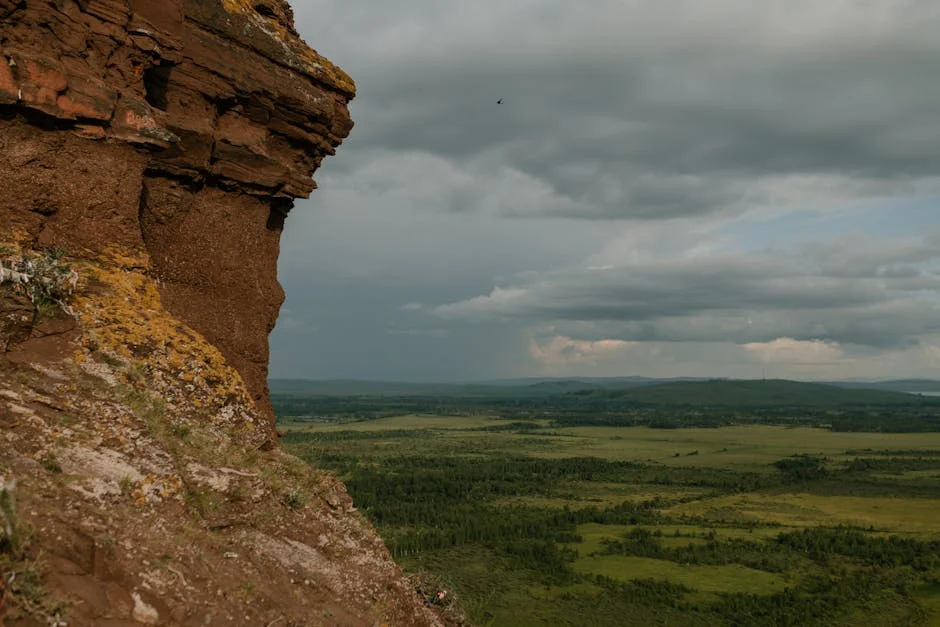
Kazakhstan, the largest landlocked country, exemplifies these challenges. With no direct access to the sea, importing and exporting goods involve complex logistics, impacting the country's competitiveness on the global stage. This situation can deter foreign investment, as businesses often seek more accessible markets.
Infrastructure and Economic Development


Infrastructure development is crucial for landlocked nations to overcome their geographical disadvantages. Improving transport networks, such as roads and railways, can reduce trade costs and enhance connectivity. For instance, Ethiopia has invested heavily in its railway system, aiming to boost trade efficiency. The Addis Ababa-Djibouti Railway, completed in 2017, has significantly cut transit times to the port of Djibouti.
The need for robust infrastructure is a common thread among the largest landlocked countries, including Uzbekistan and Afghanistan. However, financing these projects often requires external support. Organisations like the Asian Development Bank have been pivotal in providing funding for infrastructure improvements in these regions.
Investment Considerations
Investors eyeing opportunities in landlocked countries must weigh the risks associated with logistical challenges and higher operational costs. Businesses must also consider the political relationships between landlocked countries and their transit neighbours, as diplomatic tensions can disrupt trade routes unexpectedly.
For example, Bolivia has long-standing maritime access disputes with Chile, which continue to affect its trade dynamics. Such geopolitical issues underscore the importance for investors to conduct thorough risk assessments before committing capital to projects in these countries.
Policy Implications and Regional Cooperation
Policy initiatives aimed at fostering regional cooperation can help mitigate some of the disadvantages faced by landlocked countries. By forming alliances and trade agreements with neighbouring states, these nations can improve access to international markets. The African Continental Free Trade Area (AfCFTA) is one such example, aiming to reduce barriers across African nations, including landlocked countries like Uganda and Zambia.
The United Nations has also been actively promoting regional integration as a means to support landlocked developing nations. The Almaty Programme of Action, initiated in 2003, focuses on addressing the special needs of these countries by enhancing transit policies and infrastructure development.
Future Prospects
The economic outlook for landlocked countries remains challenging, with ongoing efforts required to improve infrastructure, trade policies, and regional cooperation. As technology advances, there may be opportunities for these nations to leverage digital platforms to enhance trade and investment prospects.
Looking ahead, stakeholders will need to monitor developments in regional trade agreements and infrastructure projects closely. The success of these initiatives could significantly alter the economic landscape for the world's largest landlocked countries, potentially unlocking new opportunities for businesses and investors alike.
See Also
- India Threatens to Exit $43 Billion Rafale Deal Over Software Control
- SARS Exposes Four Tax Scams Targeting South Africans This Season
Such geopolitical issues underscore the importance for investors to conduct thorough risk assessments before committing capital to projects in these countries.Policy Implications and Regional CooperationPolicy initiatives aimed at fostering regional cooperation can help mitigate some of the disadvantages faced by landlocked countries. The success of these initiatives could significantly alter the economic landscape for the world's largest landlocked countries, potentially unlocking new opportunities for businesses and investors alike.
What is the latest news about the worlds largest landlocked nations face economic challenges heres why?
Why does this matter for economy-business?
What are the key facts about the worlds largest landlocked nations face economic challenges heres why?