Australian Prime Minister Anthony Albanese has firmly ruled out imposing a gas export tax on existing contracts, aiming to calm market fears over potential disruptions in the energy sector. His comments came amid a push by some groups for a tax aimed at increasing revenue from Australia's lucrative gas exports.
Albanese's Stance on Gas Exports
Speaking in Canberra, Albanese criticised what he described as a "populist campaign" advocating for the tax, suggesting it could undermine Australia's reputation as a reliable exporter. The prime minister highlighted that existing contracts, which are often long-term and valued at billions of dollars, should not be jeopardised by retrospective tax measures.
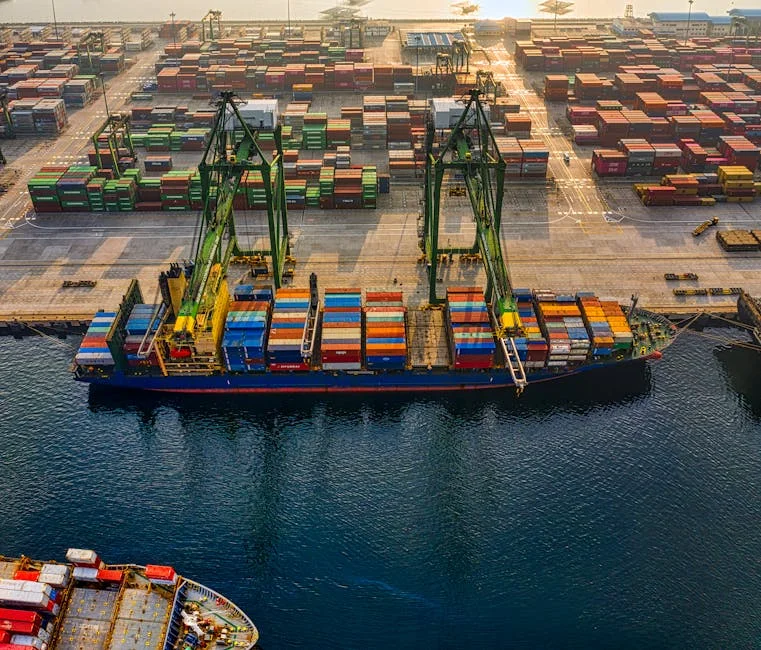
This decision is particularly relevant to the Asian market, where countries like Japan and South Korea rely heavily on Australian gas exports. Australian gas exports were valued at approximately AUD 50 billion in 2022, making them a significant component of the nation's economy.
Impact on Businesses and Markets


The decision to reject the gas export tax is likely to reassure energy companies and investors who were concerned about potential revenue losses. This move is seen as supportive of maintaining Australia's competitive position in the global energy market, as any additional tax could have led to cost increases that might drive importers to seek alternative suppliers.
Energy companies with operations in Australia, such as Woodside Energy and Santos, are expected to benefit from this stability. Their share prices could see positive movement as the risk of increased regulatory burden diminishes. The Australian Stock Exchange (ASX) may also experience some positive impacts as investor confidence is bolstered.
Global Implications
The decision by Albanese is significant not just for Australia but also for the international business community. The assurance of stable export terms is likely to strengthen Australia's ties with Asian markets, particularly with Japan and South Korea, which are major importers of Australian liquefied natural gas (LNG).
For investors in the UK and other parts of the world, the stability in Australian energy exports offers a sense of predictability. As the UK navigates its own energy challenges, the reliable supply of LNG from Australia could be critical in ensuring energy security.
Future Outlook
Looking ahead, the focus will be on how the Australian government plans to balance its fiscal policies with the need to attract and retain foreign investment. While the rejection of the gas export tax provides immediate relief, the ongoing debate surrounding resource taxes may prompt further discussions on how to best leverage Australia's natural resources for economic growth.
The next key moment to watch will be the release of Australia's budget, which may offer insights into alternative strategies the government might employ to boost revenue without imposing additional burdens on the energy sector.
See Also
- Portugal's Private Hospitals Face Cesarean Surge
- Cameroon Opposition Calls New Vice President Role a 'Coup'
The Australian Stock Exchange (ASX) may also experience some positive impacts as investor confidence is bolstered.Global ImplicationsThe decision by Albanese is significant not just for Australia but also for the international business community. The assurance of stable export terms is likely to strengthen Australia's ties with Asian markets, particularly with Japan and South Korea, which are major importers of Australian liquefied natural gas (LNG).For investors in the UK and other parts of the world, the stability in Australian energy exports offers a sense of predictability.
What is the latest news about albanese rejects gas export tax australian market reassured?
Why does this matter for politics?
What are the key facts about albanese rejects gas export tax australian market reassured?