South Africa’s systemic failures in locating missing children have exposed deep structural weaknesses that are now rippling through the national economy. The crisis, highlighted by the tragic case of Omphile Sethole, has forced investors and businesses to reassess the stability of the social contract. Markets are beginning to price in the long-term costs of a fragmented safety net.
The immediate aftermath reveals a nation struggling with delayed responses and disjointed administrative machinery. This is not merely a social tragedy but an economic signal of institutional decay. Investors watching from London and Johannesburg are noting the implications for labor productivity and consumer confidence.
Systemic Failures Expose Economic Vulnerabilities
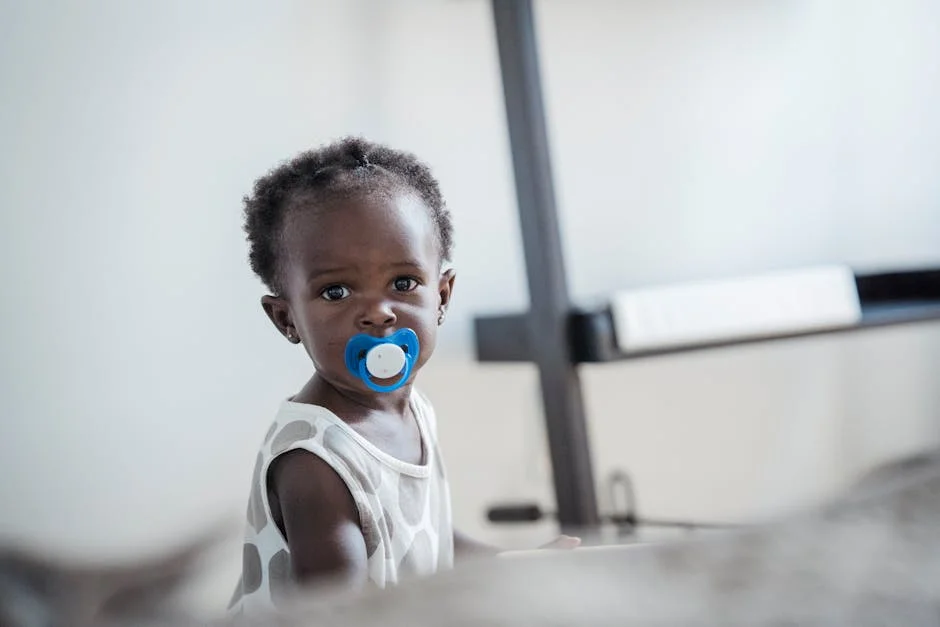
The case of Omphile Sethole has become a focal point for critics arguing that South Africa’s public institutions are operating below capacity. The delay in response times suggests a broader issue with resource allocation across key ministries. Such inefficiencies directly impact the business environment by increasing the cost of risk management.
Businesses in the Western Cape and Gauteng are already feeling the pressure. Companies are investing more in private security and employee wellness programs to compensate for state shortcomings. This shift diverts capital from expansion projects, slowing overall economic growth. The cost of doing business rises when the state fails to provide basic certainty.
Investors are particularly concerned about the human capital implications. When children go missing and systems fail, the long-term educational outcomes for the next generation are compromised. This creates a future labor force that may be less skilled and more anxious. The economic drag of this demographic challenge is significant and growing.
Market Reactions to Institutional Decay


Financial markets in South Africa have shown subtle but telling reactions to the growing unrest. The Rand has faced renewed pressure against the Dollar as uncertainty mounts. Foreign direct investment flows are becoming more selective, with investors favoring sectors less dependent on immediate social stability.
The tourism sector, a key earner of foreign exchange, is also under scrutiny. International travelers are increasingly sensitive to safety perceptions, not just crime rates but also social cohesion. A narrative of failed systems can deter high-spending tourists, impacting hotels, airlines, and retail.
Corporate executives are calling for clearer government action. The lack of a coordinated response to the Omphile Sethole case has eroded trust in public-private partnerships. Businesses are hesitant to invest in long-term infrastructure projects if the social license to operate is in question.
Impact on Consumer Confidence and Spending
Consumer confidence is a leading indicator of economic health, and it is currently fragile. Families are cutting back on discretionary spending as they seek to buffer against uncertainty. This reduction in spending affects retail sales, hospitality, and entertainment sectors.
The psychological impact of a child safety crisis extends beyond the immediate family. It creates a sense of vulnerability that permeates the wider community. This anxiety can lead to delayed purchasing decisions, further slowing down the consumption engine.
Markets are watching for signs of recovery in sentiment. A robust government response could stabilize confidence, but continued delays risk a deeper recession. The economic cost of inaction is becoming increasingly visible in quarterly earnings reports.
Business Implications for Local and Foreign Firms
Local firms are facing increased operational costs due to the need for enhanced safety measures. This includes everything from better lighting in commercial areas to more robust HR policies for employees with young children. These costs are often passed on to consumers, fueling inflationary pressures.
Foreign investors are re-evaluating their exposure to South Africa. The perception of institutional weakness can lead to a risk premium being added to South African assets. This makes borrowing more expensive for both the government and the private sector.
The technology sector is also impacted, with startups facing challenges in attracting top talent. Professionals are increasingly mobile and may choose to relocate if they feel the social infrastructure is failing. This brain drain has long-term implications for innovation and economic diversification.
Investor Perspective on Social Stability
Investors are looking for signals of institutional resilience. The response to the Omphile Sethole case is being seen as a stress test for South Africa’s governance structures. A swift and effective response could restore some confidence, while further delays could trigger sell-offs.
The focus is on transparency and accountability. Markets reward governments that communicate clearly and act decisively. The current opacity surrounding the case has led to speculation and doubt. This uncertainty is a enemy of capital allocation.
Long-term investors are considering the demographic dividend at stake. If the safety and education of children are compromised, the future workforce will be less productive. This has implications for the return on investment over a 10-year horizon.
Policy Responses and Economic Consequences
The government is under pressure to reform its child protection services. This requires significant fiscal allocation, which may come at the expense of other sectors. The trade-offs are difficult, but the cost of inaction is higher.
Reforms must be credible and sustained to regain market confidence. One-off initiatives are unlikely to shift investor sentiment. A comprehensive strategy involving data sharing and inter-agency coordination is needed.
The economic consequences of policy failure are cumulative. Each delay adds to the stock of institutional debt. This debt must be serviced through higher taxes or lower growth in the future. The window for effective action is narrowing.
What to Watch Next
Investors and businesses should monitor the government’s official inquiry into the Omphile Sethole case. The findings will provide crucial insights into the depth of systemic failures. Watch for announcements regarding budget allocations for child protection services in the upcoming fiscal year.
Market volatility may increase as new details emerge. Keep an eye on the Rand’s performance against major currencies and the movement of key equity indices. These indicators will reflect the market’s assessment of the risk premium.
Corporate earnings reports in the next quarter will likely highlight the impact of increased safety costs. Look for mentions of “social stability” and “human capital” in the commentary sections. These signals will guide future investment decisions in the region.
See Also
- Fintech Leaders Emphasise Speed Over AI — UK Market Faces Disruption
- Dangote Cement Launches Safety Policy — FRSC Hails Initiative Amid Rising Incidents
Keep an eye on the Rand’s performance against major currencies and the movement of key equity indices. These indicators will reflect the market’s assessment of the risk premium.