Nigerian political dynamics are increasingly influencing economic stability, with Governor Seyi Makinde’s strategic approach to party primaries drawing sharp scrutiny from market analysts. This political maneuvering in Lagos and across the South-West region has introduced a new layer of uncertainty for businesses operating in Africa’s largest economy. Investors are now closely monitoring how these internal party battles will translate into policy consistency or disruptive change.
Political Strategy Meets Economic Reality
The decision by prominent political figures like Obi to navigate party primaries with a calculated, often delayed, strategy is not merely a political tactic. It has profound implications for the Nigerian stock market and foreign direct investment flows. Markets despise uncertainty, and prolonged political limbo creates a vacuum that speculation quickly fills. Traders in Lagos have noted increased volatility in the Naira and equities as political narratives shift.
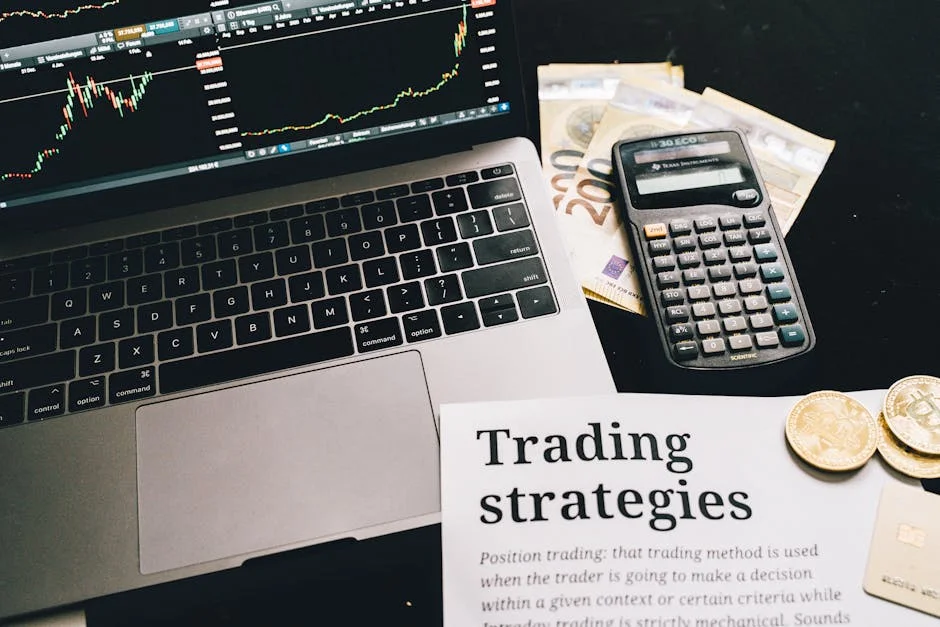
Critics argue that this avoidance of clear primary contests signals a lack of decisive leadership, which translates into policy paralysis. When political elites spend more time maneuvering than governing, regulatory frameworks become inconsistent. Businesses in sectors such as manufacturing and technology find it difficult to plan for the medium term when the political landscape remains in flux. The cost of doing business rises as companies hedge against potential political shocks.
Impact on Foreign Direct Investment
Foreign investors are particularly sensitive to political clarity. The uncertainty surrounding leadership transitions can lead to capital flight, as seen in previous election cycles. Multinational corporations with operations in Nigeria are reassessing their risk models. They are looking for signals of stability before committing to new capital expenditures. The absence of a clear political roadmap makes Nigeria a riskier proposition compared to peers like Kenya or Ghana.
Local businesses are also feeling the pressure. Small and medium enterprises (SMEs) in Lagos and Abuja report that credit availability is tightening. Banks are becoming more risk-averse, leading to higher interest rates for borrowers. This credit crunch is exacerbated by the political uncertainty, as lenders fear that a sudden change in leadership could alter economic priorities. The ripple effect is visible in reduced hiring and slower expansion plans.
Critics Highlight Governance Risks


Political analysts and critics have been vocal about the economic costs of this political strategy. They argue that the focus on personal political survival over national economic agenda is detrimental. The criticism is not just about the individuals involved but the systemic issue of political instability. This instability affects the broader business environment, making it harder for Nigeria to attract and retain high-quality investments.
The concerns raised by critics are not without merit. Historical data shows that periods of intense political maneuvering in Nigeria often coincide with economic downturns. For example, the lead-up to previous elections saw fluctuations in the Naira and increases in inflation. Businesses have learned to anticipate these patterns, but the unpredictability remains a significant hurdle. The current situation mirrors those past cycles, raising alarms among economic observers.
Moreover, the lack of a clear primary process can lead to post-election disputes. These disputes often result in protests and strikes, which disrupt supply chains and consumer confidence. The economic cost of such disruptions is substantial. For instance, a week of strikes in Lagos can cost the economy billions of Naira in lost productivity. Investors are factoring in these potential disruptions when making their decisions.
Market Reactions and Investor Sentiment
Financial markets have reacted swiftly to the political developments. The Nigerian Stock Exchange has seen increased trading volumes, with investors trying to position themselves for potential outcomes. The Naira has experienced fluctuations against the US Dollar, reflecting the market’s anxiety. These movements are not just speculative; they are driven by fundamental concerns about the economic direction of the country.
Institutional investors are adopting a wait-and-see approach. They are holding back on large-scale investments until the political landscape becomes clearer. This caution is evident in the slowdown in foreign portfolio investment inflows. The bond market is also feeling the pressure, with yields rising as investors demand higher returns for the perceived risk. This dynamic affects the government’s ability to borrow, which in turn impacts fiscal policy.
Corporate earnings reports are beginning to reflect the impact of this uncertainty. Companies are reporting lower profits due to higher operational costs and reduced consumer spending. The service sector, which is a major contributor to Nigeria’s GDP, is particularly vulnerable. Banks, telecommunications firms, and retail companies are all feeling the pinch. This trend is likely to continue until political stability is restored.
Business Implications for Key Sectors
The manufacturing sector is facing significant challenges. Raw material costs are rising due to currency fluctuations and supply chain disruptions. Manufacturers are struggling to maintain profit margins, leading to price increases for consumers. This inflationary pressure reduces purchasing power, further dampening economic activity. The sector is calling for more predictable policies to help them plan and invest.
The technology sector, often seen as a beacon of hope for Nigeria’s economy, is not immune. Startups are finding it harder to raise funds from venture capitalists who are wary of the political environment. The cost of customer acquisition is rising as consumer confidence wanes. This could slow down the growth of the tech ecosystem, which is crucial for job creation and economic diversification. The sector needs stability to thrive.
Real estate and construction are also experiencing a slowdown. Developers are holding back on new projects due to uncertainty about future demand and financing costs. The housing deficit, which has been a key focus of economic policy, may widen if construction activity continues to lag. This has implications for urban development and job creation, particularly in major cities like Lagos and Abuja.
Policy Uncertainty and Regulatory Changes
Political instability often leads to regulatory churn. New leaders may introduce new policies or reverse existing ones, creating a moving target for businesses. This regulatory uncertainty increases compliance costs and makes long-term planning difficult. Companies are spending more resources on lobbying and monitoring policy developments. This diversion of resources reduces efficiency and competitiveness.
The tax regime is another area of concern. Political changes can lead to shifts in tax policy, affecting corporate and individual taxpayers. Businesses are wary of sudden tax increases or changes in deductions. This uncertainty affects investment decisions and consumer spending. The government needs to provide clarity on tax policy to restore confidence. Predictability is key to attracting and retaining investors.
Investor Perspective and Risk Assessment
Investors are reassessing the risk profile of Nigeria. Political risk is a key component of the overall risk assessment. The current situation has elevated this risk, leading to higher discount rates for future cash flows. This makes Nigerian assets less attractive compared to other emerging markets. Investors are looking for diversification opportunities to mitigate this risk.
Hedging strategies are becoming more popular. Investors are using financial instruments to protect against currency fluctuations and political shocks. These strategies add to the cost of investing in Nigeria. However, they are necessary to manage the increased volatility. The use of hedging also signals a lack of confidence in the stability of the political and economic environment.
Looking Ahead: What to Watch
The next few months will be critical in determining the economic impact of these political developments. Investors and businesses will be watching for clarity on the primary process and the subsequent general election. Any signs of prolonged uncertainty or post-election disputes could lead to further market volatility. The government’s ability to communicate a clear economic agenda will be crucial in restoring confidence.
Key indicators to monitor include Naira stability, inflation rates, and foreign direct investment inflows. These metrics will provide insights into how the market is responding to the political landscape. Businesses should continue to monitor regulatory changes and adjust their strategies accordingly. The coming period will test the resilience of Nigeria’s economy and its ability to attract investment amidst political uncertainty.
What is the latest news about obis primary strategy triggers market uncertainty in nigeria?
Why does this matter for technology?
What are the key facts about obis primary strategy triggers market uncertainty in nigeria?