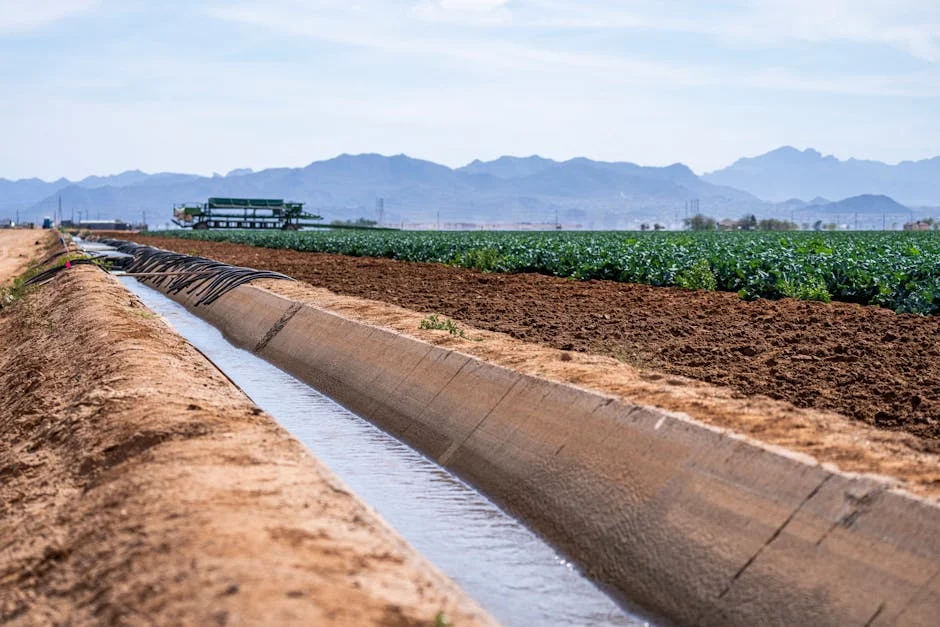
Rand Water has initiated a major supply reduction affecting the Tshwane metropolitan area, sending immediate ripples through South Africa’s most critical economic hub. This infrastructure strain threatens to disrupt operations for thousands of businesses in Pretoria, Johannesburg’s northern neighbour, raising urgent questions about regional economic resilience. Investors are now closely monitoring how prolonged water scarcity will impact corporate earnings and consumer spending patterns in Gauteng.
Immediate Disruption to Tshwane’s Commercial Sector
The sudden reduction in water flow has forced businesses across Tshwane to implement emergency continuity plans. Manufacturing plants, hospitality venues, and commercial real estate operators are facing unprecedented operational hurdles as reservoir levels fluctuate. The economic fallout is not merely theoretical; it is already translating into direct costs for companies that rely on consistent utility inputs.

Small and medium-sized enterprises (SMEs) are particularly vulnerable in this scenario. Without the robust backup infrastructure enjoyed by larger multinationals, many local businesses must choose between investing in expensive boreholes or absorbing rising costs from bulk water suppliers. This financial pressure reduces capital expenditure flexibility, potentially slowing down growth trajectories for key sectors in the North West province.
Commercial property values in affected suburbs may also face downward pressure. Tenants in office parks and retail centres are beginning to factor in water reliability when negotiating lease agreements. Landlords who fail to guarantee consistent supply through tankering or on-site storage risks seeing higher vacancy rates. This dynamic shifts the burden of infrastructure investment from the utility provider to private stakeholders.
Market Reactions and Investor Sentiment


Financial markets are sensitive to infrastructure stability, and the Rand Water situation provides a fresh test case for Gauteng’s economic health. Analysts are watching the Johannesburg Stock Exchange (JSE) for volatility in the utility and manufacturing sectors. Companies with heavy water usage, such as beverage producers and textile manufacturers, are seeing their stock prices react to news of potential rationing.
Foreign direct investment (FDI) flows into South Africa often hinge on the reliability of basic infrastructure. When water supply becomes erratic, the cost of doing business rises, eroding the competitive advantage of the region. International investors may delay capital deployment or seek hedging strategies to mitigate the risk of production stoppages. This caution can have a compounding effect on the broader economic outlook for the country.
Impact on Specific Industries
Several key industries in the Tshwane region are experiencing direct operational impacts. The following sectors are reporting the most significant disruptions due to the current water shortage:
- Manufacturing: Assembly lines in automotive and electronics firms face slowdowns due to cooling system dependencies.
- Hospitality: Hotels and restaurants are increasing menu prices to offset the cost of bottled water and laundry services.
- Real Estate: Commercial landlords are upgrading infrastructure to retain tenants in high-value office parks.
These sector-specific challenges highlight the uneven distribution of risk within the local economy. While large corporations can absorb the shock through economies of scale, smaller players face existential threats. This divergence could lead to market consolidation, where larger entities acquire distressed competitors, altering the competitive landscape in Tshwane.
Macroeconomic Implications for Gauteng
Gauteng contributes approximately 35% of South Africa’s Gross Domestic Product (GDP), making it the engine room of the national economy. Any disruption to its primary city, Tshwane, has cascading effects on national growth forecasts. The Rand Water shutdown threatens to slow down this engine, potentially dragging down inflation-adjusted growth rates for the fiscal year.
Inflationary pressures are another critical concern. As the cost of water rises for businesses, these costs are inevitably passed on to consumers. This contributes to a broader increase in the Consumer Price Index (CPI), which could influence the South African Reserve Bank’s monetary policy decisions. Higher inflation may force interest rate hikes, further squeezing household budgets and reducing disposable income.
The labour market is also feeling the strain. Temporary layoffs and reduced working hours in water-intensive industries could lead to a slight uptick in unemployment rates in the region. This social economic pressure adds to the complexity of the crisis, requiring coordinated responses from both the public and private sectors to mitigate long-term damage.
Infrastructure Investment and Long-Term Strategy
The current crisis underscores the urgent need for strategic infrastructure investment in South Africa. Rand Water, as the primary bulk water supplier, faces scrutiny over its capacity planning and maintenance schedules. The shutdown highlights gaps in the supply chain that have been exacerbated by climate variability and increasing demand. Investors are looking for clarity on the capital expenditure plans aimed at resolving these bottlenecks.
Public-private partnerships (PPPs) are emerging as a potential solution to bridge the funding gap. By leveraging private sector efficiency and capital, the government can accelerate infrastructure projects that might otherwise stall due to budgetary constraints. This approach could attract infrastructure-focused funds looking for stable, long-term returns in emerging markets.
Technological innovation also plays a crucial role in enhancing water security. Smart metering, leak detection systems, and advanced wastewater treatment technologies can optimize usage and reduce losses. Companies specializing in these solutions are likely to see increased demand, presenting new investment opportunities in the tech and engineering sectors within the region.
Business Adaptation and Resilience Planning
Businesses in Tshwane are rapidly adapting to the new reality of water scarcity. Many are conducting comprehensive water audits to identify inefficiencies and reduce consumption. This proactive approach not only mitigates immediate risks but also enhances long-term operational efficiency. Companies that integrate water security into their strategic planning are likely to gain a competitive edge.
Supply chain diversification is another key adaptation strategy. Businesses are looking to source materials and services from regions with more stable water supplies, reducing their exposure to local disruptions. This shift may lead to changes in regional trade dynamics, with Tshwane businesses seeking partners in areas with better infrastructure resilience.
Employee engagement is also critical during this period. Companies are communicating transparently with staff about the situation and the measures being taken to ensure business continuity. This helps maintain morale and productivity, which are essential for navigating the uncertainty brought on by the water crisis. Clear communication strategies can reduce anxiety and foster a sense of collective effort.
Regulatory Responses and Policy Shifts
Government bodies are responding to the crisis with a mix of immediate interventions and long-term policy adjustments. The Department of Water and Sanitation is working closely with Rand Water to optimize distribution and minimize waste. Regulatory frameworks may be updated to enforce stricter water usage standards for high-consumption industries, ensuring a more equitable distribution of the resource.
Tax incentives for water-saving investments could also be introduced to encourage businesses to adopt efficient technologies. These fiscal measures aim to stimulate private sector action and reduce the overall demand on the public water supply. Such policies would align economic incentives with environmental sustainability goals, creating a win-win scenario for stakeholders.
Policy consistency is crucial for investor confidence. Clear and predictable regulations help businesses plan for the future and make informed investment decisions. The government’s ability to navigate this crisis with coherent policy responses will be a key factor in determining the long-term economic impact on Tshwane and the broader Gauteng region.
Future Outlook and Monitoring Points
The situation in Tshwane remains fluid, with several key indicators to watch in the coming weeks. Investors and business leaders should monitor announcements from Rand Water regarding reservoir levels and projected supply timelines. These updates will provide critical insights into the duration and severity of the disruption.
Additionally, tracking the performance of water-sensitive stocks on the JSE will offer real-time market reactions to the crisis. Any significant volatility in these sectors could signal broader economic concerns or emerging investment opportunities. Keeping an eye on these market signals will help stakeholders make informed decisions.
Finally, upcoming policy announcements from the provincial and national governments will shape the regulatory environment for businesses operating in Tshwane. Staying informed about these developments is essential for navigating the evolving landscape and positioning for long-term success. The next quarterly economic report from the Gauteng Department of Economic Development will provide further clarity on the regional impact.