South Africans are watching closely as Bafana Bafana prepare for the FIFA World Cup, with fans and analysts alike weighing in on what the national team's performance could mean for the country's economy and collective morale.
National Pride Meets Economic Reality
The South African national football team, known affectionately as Bafana Bafana, carries more than just sporting expectations heading into the World Cup. For a nation grappling with persistent economic challenges, the tournament offers a rare moment of unified optimism. Local businesses are already calculating potential gains from increased tourism, hospitality bookings, and retail sales driven by match-viewing events across cities including Johannesburg, Cape Town, and Durban.
Fan Sentiment and Consumer Confidence

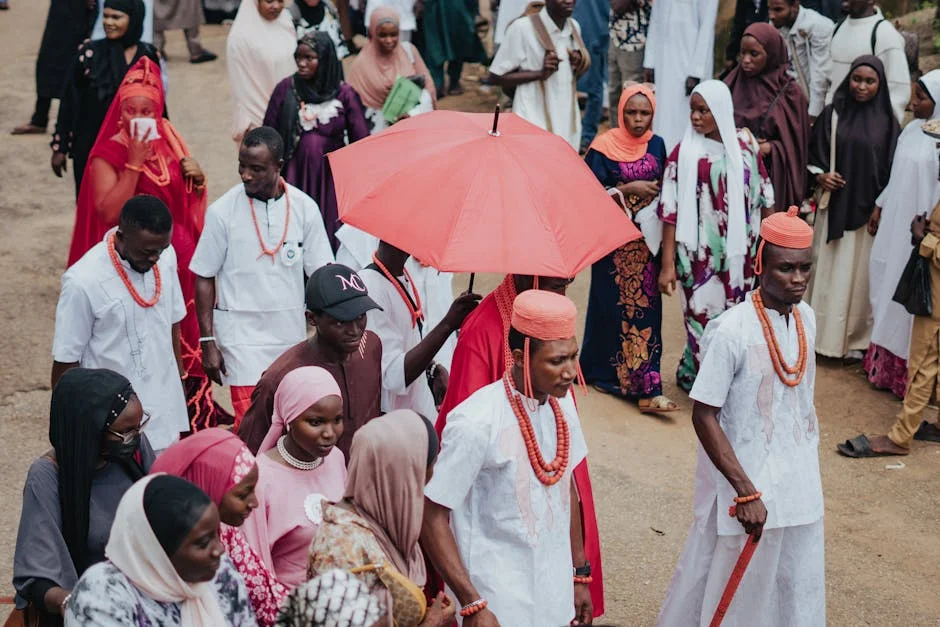
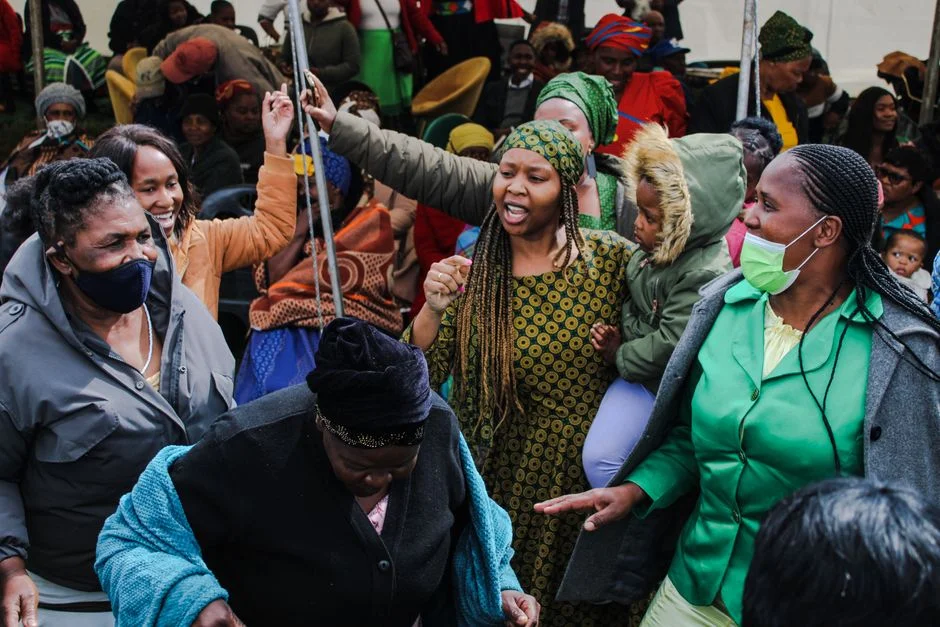
South Africans from diverse backgrounds have shared their predictions for the team's fortunes, with many expressing cautious optimism about how far Bafana Bafana might advance. This enthusiasm extends beyond mere entertainment. Research consistently shows that major sporting events can influence consumer confidence, with strong national team performances correlating with short-term spikes in domestic spending. The World Cup therefore represents both a cultural touchstone and a potential economic catalyst for South Africa.
Hospitality Sector Prepares for Influx
Hotels, bars, and restaurants in major urban centres are gearing up for increased footfall during match days. Industry representatives note that previous World Cup tournaments have delivered measurable revenue boosts for the hospitality sector, though the extent varies depending on how far the national team progresses. Viewing parties and public screenings are being planned in townships and suburbs alike, creating opportunities for small businesses to capitalise on collective enthusiasm.
Media Rights and Broadcasting Revenue
The World Cup Discover platform and other broadcasters have highlighted the commercial dimensions of the tournament. Broadcasting rights, sponsorship deals, and advertising revenue form a significant part of the economic ecosystem surrounding major football competitions. South African media companies invest heavily in securing coverage rights, and the return on those investments depends partly on the nation's engagement with the home team's performance.
Investment Community Watches Closely
For investors and market analysts, the World Cup offers a useful barometer of national sentiment. Consumer-facing sectors such as retail, entertainment, and tourism often see increased activity during major tournaments, particularly when the national team performs well. While Bafana Bafana's chances at the World Cup remain uncertain, the broader economic implications of fan engagement extend beyond the pitch itself.
Historical Context and Future Implications
South Africa hosted the FIFA World Cup in 2010, an event that left a lasting legacy on infrastructure and international visibility. The current tournament cycle presents different challenges and opportunities. Analysts suggest that a strong showing by Bafana Bafana could provide a meaningful boost to national morale at a time when economic growth remains a pressing concern for policymakers and businesses alike.
What Comes Next
As the World Cup approaches, South Africans will soon see whether their optimism proves justified. The tournament's draw will determine Bafana Bafana's group-stage opponents, setting the initial parameters for the team's campaign. Businesses and investors will be watching closely to gauge the economic impact of match results, with particular attention to any run deep into the competition that could amplify the commercial benefits. The coming weeks will reveal whether this World Cup becomes another source of national pride or a missed opportunity for economic uplift.
See Also
- Bafana Bafana Faces Nicaragua — Economic Stakes Rise Ahead of World Cup
- Philadelphia Union Fires Coach Bradley Carnell After Successful Season — What’s Next?