Cape Town's tourism operators are shifting strategies this winter, doubling down on indoor attractions as visitor numbers typically drop with the colder months. Local venues, including museums and interactive cultural spaces, are positioning themselves as the city's answer to seasonal visitor challenges, betting that curated indoor experiences will keep the tourism economy humming even as temperatures fall.
Winter Brings Familiar Challenge to Cape Town's Visitor Economy
Tourism executives in Cape Town have long grappled with the June-to-August winter slump, when international arrivals historically fall by roughly 20 to 25 percent compared to the summer peak. Beach-dependent attractions take the biggest hit, but the broader hospitality sector, from hotels to restaurants, feels the ripple effect. This year, industry leaders are responding with an unusual emphasis on cultural infrastructure, hoping to convert the seasonal headwind into an opportunity to diversify the city's tourism appeal.
The shift reflects broader pressures on South Africa's tourism sector, which contributes approximately 3 percent of national GDP and supports hundreds of thousands of jobs across the Western Cape province. With post-pandemic recovery still uneven in some segments, operators say they cannot afford to write off any three-month window.
Venues Pivot to Fill the Seasonal Gap


Among those leading the charge is Illusions, a Cape Town-based interactive museum that has expanded its offerings specifically for the winter period. The venue, located in the city centre, has introduced new exhibitions designed to appeal to visitors who might otherwise postpone a trip until warmer weather returns.
"We recognised that winter was being treated as a write-off by too many operators," the venue's director told local media. "The reality is that Cape Town has world-class indoor experiences that people simply don't know about. Our job is to change that perception."
New Exhibits Target Different Visitor Segments
The strategy appears to be working, at least anecdotally. Illusions reported a 15 percent uptick in weekend foot traffic during the first month of winter compared to the same period last year. Families, in particular, seem drawn to venues that offer shelter from unpredictable weather while still delivering on the experiential economy that modern travellers crave.
Other cultural institutions have taken note. The Museum district has adjusted opening hours and launched promotional campaigns targeting day-trippers from surrounding areas. Hotel partnerships have proliferated, with several major properties now offering package deals that bundle accommodation with admission to multiple indoor venues.
Economic Stakes Are Considerable
The economic logic behind the push is straightforward. Cape Town's hotel occupancy rates typically hover between 65 and 70 percent during winter months, compared to 85 to 90 percent in December and January. Every percentage point improvement in winter occupancy translates to millions of rand in additional revenue for the hospitality sector, and the knock-on effects extend to transport providers, retail outlets, and food service businesses.
For investors, the tourism sector's winter performance matters because it affects annualised returns and borrowing capacity. Lenders and equity investors tracking South African hospitality stocks have flagged seasonal volatility as a persistent concern. A successful model for smoothing out the winter trough could improve valuation metrics across the board.
The City of Cape Town has also thrown its weight behind the effort. Municipal tourism bodies have included indoor attraction promotions in their international marketing campaigns, particularly in key source markets like the United Kingdom, Germany, and the Netherlands. Digital advertising spend in those regions increased this quarter, with messaging that explicitly counters the assumption that Cape Town is only a summer destination.
What This Means for Visitors Weighing a Winter Trip
For British tourists considering a Cape Town visit outside the traditional high season, the current environment offers some genuine advantages. Airfare to Cape Town International Airport tends to be lower between June and August, and accommodation prices follow suit. The city is less crowded at major attractions, and restaurant reservations that would require weeks of advance planning in December can often be secured the same day.
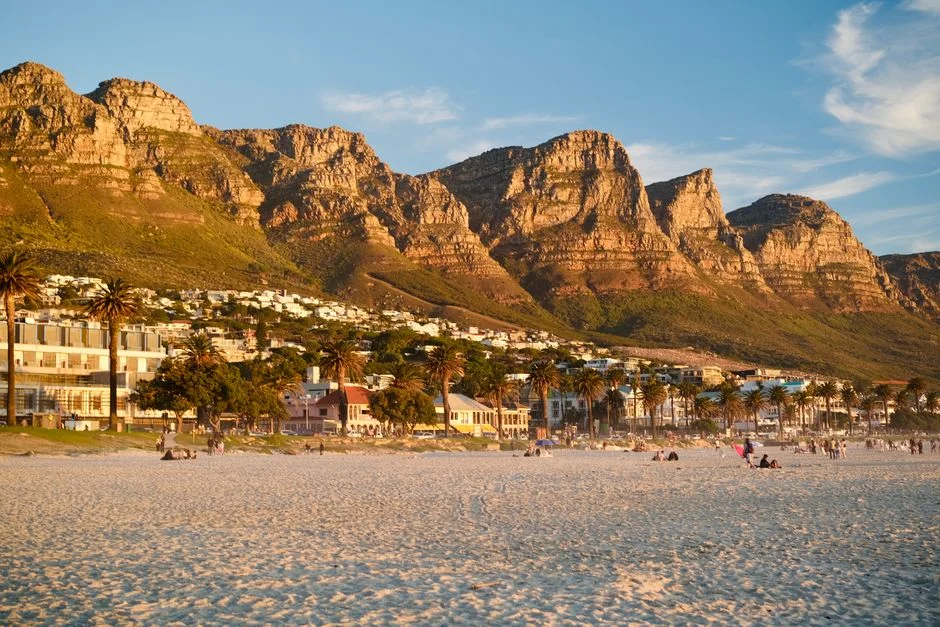
Critics of the indoor-first approach argue that it risks diluting Cape Town's core appeal, which has always centred on its natural environment, from Table Mountain to the Cape Peninsula coastline. There is a tension between promoting the city as a year-round destination and ensuring that marketing efforts do not inadvertently undersell its outdoor assets.
"We are not asking people to ignore the weather," one tourism official explained. "We are asking them to see winter Cape Town as a different experience, not a lesser one."
Investors Watch for Proof of Concept
The outcome of this winter's indoor focus will not go unnoticed by capital markets. Several private equity and venture capital funds maintain exposure to South African tourism and hospitality businesses, and a successful model for winter revenue stabilisation could unlock additional investment into the sector.
Analysts tracking the JSE-listed hospitality companies will be watching second-half occupancy data closely. If the indoor attraction strategy produces measurable results, it may prompt broader rethinks about how South Africa's tourism product is packaged and sold internationally.
For now, operators like Illusions are building the case that Cape Town's appeal does not end when the thermometer does. Whether that argument resonates with enough visitors to move the needle economically will become clearer over the coming months.
Winter in Cape Town runs through August, giving operators roughly 90 days to demonstrate that the strategy is more than a creative experiment. Industry observers say the data from that period will shape investment decisions and marketing priorities well into next year.
See Also
- Strasbourg’s Emegha Absence Triggers Tactical Revaluation in Conference League Final
- Nandi Madida's $250k Rolex Gift Reveals UK Market Power
The city is less crowded at major attractions, and restaurant reservations that would require weeks of advance planning in December can often be secured the same day.Critics of the indoor-first approach argue that it risks diluting Cape Town's core appeal, which has always centred on its natural environment, from Table Mountain to the Cape Peninsula coastline. Lenders and equity investors tracking South African hospitality stocks have flagged seasonal volatility as a persistent concern.