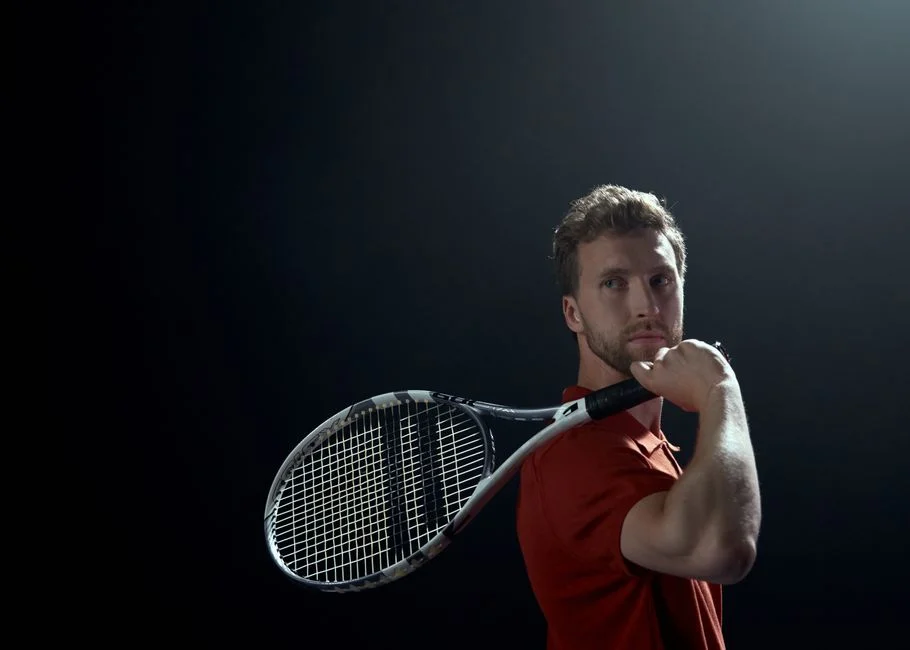
Emma Raducanu withdrew from the Italian Open in Rome shortly after holding a media conference, citing a lingering post-viral illness. The British star’s sudden exit sends ripples through the lucrative tennis sponsorship market, highlighting the fragility of athlete-led brand equity. Investors in sports marketing are now recalibrating risk models around the world number one’s recovery timeline.
Sponsorship Contracts Face Immediate Stress Tests
Major brands tied to Raducanu’s name are scrutinising performance clauses within their multi-million pound agreements. Companies like Rolex, Emirates, and Porsche have staked significant marketing budgets on her visibility during the clay-court season. A withdrawal from a key Masters 1000 event reduces the return on investment for these corporate partners.

Marketing directors in London and Milan are already reviewing activation plans for the next 48 hours. The absence of Raducanu means fewer social media impressions and less prime real estate on stadium billboards. This directly impacts the valuation of her personal brand as a commercial asset.
Financial analysts note that athlete endorsements are increasingly treated as equity-like investments. When an athlete misses a pivotal tournament, the immediate financial loss is measured in missed exposure and delayed product launches. For Raducanu’s sponsors, this is a tangible hit to their quarterly marketing efficiency metrics.
The Economics of Post-Viral Fatigue in Elite Sport
Raducanu’s specific diagnosis of a post-viral illness underscores a growing economic concern in professional tennis. Players are returning to courts faster than ever, often battling residual fatigue that affects performance and consistency. This trend forces teams to invest more heavily in medical and recovery infrastructure.
Healthcare providers in Rome and London are seeing increased demand for specialized post-viral rehabilitation for athletes. The cost of keeping a star player fit is rising, with clinics charging premium rates for expedited treatment protocols. These costs are ultimately passed down to the player’s earnings or the team’s budget.
From an investment perspective, the durability of an athlete’s physical capital is as critical as their on-court performance. A post-viral setback can delay a player’s peak earning window by several months. For Raducanu, this means a potential dip in prize money and endorsement bonuses linked to specific ranking milestones.
Market Reaction to Player Absences
Betting markets reacted swiftly to the news, adjusting odds for the women’s singles draw. Bookmakers in London slashed the payouts for Raducanu’s potential opponents, reflecting the perceived drop in her immediate competitive threat. This liquidity shift demonstrates how quickly financial instruments adjust to sports news.
Merchandise sales for Raducanu in Italy may also see a short-term correction. Retailers in Rome had stocked up on her branded apparel for the week-long event. Without her on the court, the urgency for fans to purchase limited-edition jerseys diminishes.
These micro-economic shifts illustrate the interconnectedness of sports performance and commercial outcomes. Every day Raducanu sits out, there is a measurable opportunity cost for her brand partners. The market is pricing in the uncertainty of her return to full fitness.
British Tennis Brand Equity on the Line
Raducanu is a cornerstone of the British Tennis brand, which has seen a resurgence in global appeal. Her presence in Rome was expected to drive significant media rights revenue for the Italian Open organizers. Her withdrawal slightly dampens the projected viewership figures for the British market.
Television networks in the UK are adjusting their commentary lineups and promotional campaigns. The loss of a home hero reduces the premium advertising rates that broadcasters can charge to UK-based sponsors. This has direct implications for the revenue streams of the All England Club and the Lawn Tennis Association.
The economic impact extends to the hospitality sector in Rome. Hotels and restaurants near the Foro Italico had anticipated a surge in British tourists following Raducanu. A smaller contingent of visitors means lower occupancy rates and reduced spending in the local economy.
British businesses that rely on sports-related tourism are feeling the pinch. The ripple effect of a single athlete’s absence demonstrates the depth of the sports economy. Investors in the UK hospitality and travel sectors are monitoring such events closely.
Investor Sentiment and Future Valuations
Investors in the sports industry are using Raducanu’s withdrawal as a case study in risk management. The volatility of athlete health is a key factor in valuing sports franchises and individual player brands. This event highlights the need for diversified sponsorship portfolios to mitigate single-player risks.
Private equity firms looking at sports marketing agencies are paying close attention to these dynamics. The ability to adapt quickly to player absences is becoming a competitive advantage for agencies. Those that can pivot campaigns effectively will retain more client trust and revenue.
For Raducanu’s personal brand, this is a test of long-term resilience. Investors in her brand equity will look at how quickly she can bounce back and regain market confidence. A swift return to top form will stabilize her valuation, while a prolonged absence could lead to a correction.
The financial markets for sports assets are becoming more sophisticated. Data analytics firms are incorporating health metrics into their valuation models. This means that future investments in athletes will be more heavily weighted towards their physical durability and recovery speed.
Implications for the Italian Open Organizers
The Italian Open organizers in Rome are facing a minor financial adjustment due to Raducanu’s exit. Ticket sales for the early rounds may see a slight dip, particularly in the sections popular with British fans. This affects the immediate cash flow for the tournament.
Sponsors of the Italian Open are also evaluating their exposure. The absence of a marquee name like Raducanu can affect the perceived value of the event. This could influence future sponsorship deals and the pricing power of the tournament organizers.
The tournament’s media rights partners are recalibrating their broadcast strategies. Without Raducanu, the narrative focus shifts to other top contenders. This changes the marketing angle and potentially the advertising revenue generated from the broadcast.
Rome’s local economy, which benefits significantly from the tennis season, is also affected. The reduced influx of British tourists means less spending in local businesses. This highlights the broader economic impact of sports events on host cities.
What to Watch Next Week
All eyes will now turn to the Madrid Open, where Raducanu is expected to make her next appearance. Investors and sponsors will be closely monitoring her performance and physical condition. Her ability to secure a deep run in Madrid will be a key indicator of her brand’s recovery.
Market analysts will be watching for any announcements regarding new sponsorship deals or extensions. The timing of these announcements will signal the confidence levels of her corporate partners. A quick signing of a new deal would indicate strong market faith in her brand.
British businesses and investors should continue to monitor the sports marketing sector for shifts in strategy. The Raducanu case study offers valuable insights into the risks and rewards of athlete endorsements. Staying informed on these trends is crucial for making informed investment decisions.
The next 72 hours will be critical for Raducanu’s team as they manage the narrative and plan for her return. The market will react to every update, making this a key period for stakeholders. Watch for official statements from her management and sponsor announcements.
See Also
- Eskom Reveals Employee Benefits Spike — Spending Reaches R8 Billion in 2 Years
- Manitoba Hospital Ant Infestation Triggers $2M Cost Spike
This highlights the broader economic impact of sports events on host cities. Her ability to secure a deep run in Madrid will be a key indicator of her brand’s recovery.