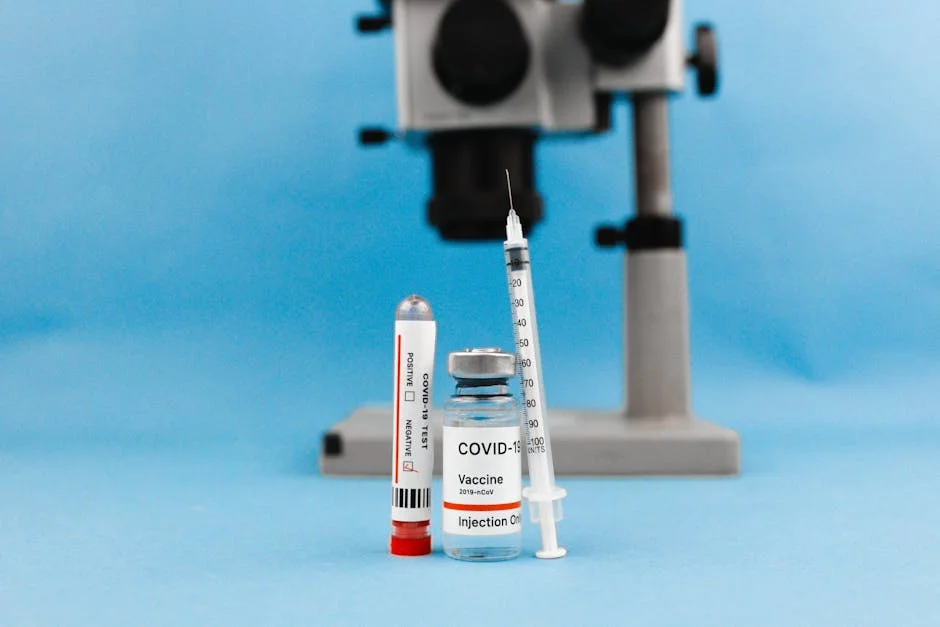
The UK has launched a critical trial for a bird flu vaccine aimed at tackling a strain with pandemic potential. This trial, announced by the Department for Environment, Food & Rural Affairs, takes place in Surrey and involves over 2,000 birds. It represents a significant step in combating a virus that has plagued poultry industries worldwide.
Why Bird Flu Matters to the Economy
Bird flu outbreaks have historically caused substantial economic disruptions, especially within the poultry sector. The Food and Agriculture Organization reports that avian influenza has led to the culling of millions of birds globally, resulting in supply chain disruptions and increased poultry prices. Investors in agribusinesses are particularly attentive to these developments, as they can impact stock valuations and commodity market prices.
Moreover, the knock-on effects of such outbreaks can be felt in various sectors. For instance, increased biosecurity measures and potential trade restrictions can influence everything from logistics to feedstock supply. Businesses involved in poultry exportation, such as those in the United States and China, closely monitor these developments for any potential trade implications.
Impact on Businesses and Investors

Market Reactions and Investor Concerns
The announcement of the vaccine trial has already influenced market sentiment. Shares of pharmaceutical companies involved in vaccine development, including GlaxoSmithKline, experienced a slight uptick as investors anticipate potential breakthroughs. According to market analysts, a successful vaccine could stabilise poultry markets and ease investor concerns over future supply disruptions.
However, the trial's success is not guaranteed. Investors are cautioned against premature optimism. The trial's outcome will depend on the vaccine's efficacy and its ability to be produced at scale. Failure could lead to increased volatility, not only in poultry markets but also in related sectors.
Historical Context and Future Implications
This is not the first time bird flu has threatened global supply chains. In 2005, the H5N1 strain led to widespread culling and significant economic losses in Southeast Asia. Lessons learned from past outbreaks highlight the importance of swift action and technological advancements in vaccine development.
As the trial progresses, businesses are advised to remain vigilant and adaptable. Companies with diversified supply chains and robust risk management strategies will likely fare better against potential disruptions. Furthermore, governments may need to consider policy adjustments to mitigate future risks effectively.
What to Watch Next
The next phase of the trial is scheduled for early 2024. Results will be pivotal in determining the vaccine's viability for mass production. Investors and businesses should keep a close eye on regulatory updates and potential changes in export regulations. Additionally, any breakthroughs in vaccine efficacy could lead to increased investments in biotechnological advancements, further influencing market dynamics.
Frequently Asked Questions
What is the latest news about bird vaccine trial begins in uk could it prevent a pandemic?
The UK has launched a critical trial for a bird flu vaccine aimed at tackling a strain with pandemic potential.
Why does this matter for health?
It represents a significant step in combating a virus that has plagued poultry industries worldwide.Why Bird Flu Matters to the EconomyBird flu outbreaks have historically caused substantial economic disruptions, especially within the poultry sector.
What are the key facts about bird vaccine trial begins in uk could it prevent a pandemic?
Investors in agribusinesses are particularly attentive to these developments, as they can impact stock valuations and commodity market prices.Moreover, the knock-on effects of such outbreaks can be felt in various sectors.