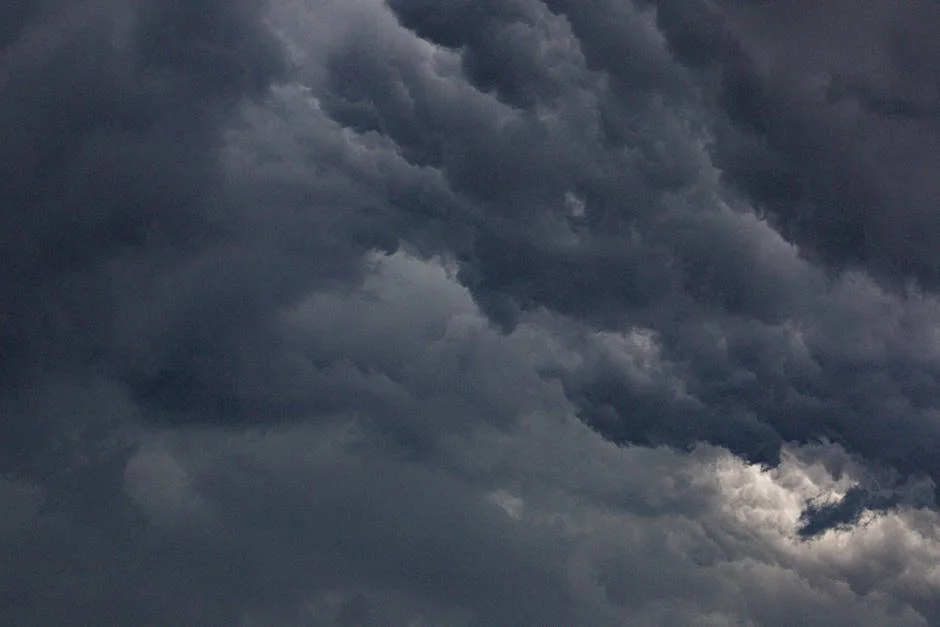
Severe storms struck Germantown, Illinois, causing extensive damage to homes and infrastructure. The destruction, which occurred over the weekend, has left many residents displaced and is expected to have wider economic implications, including potential impacts on insurance markets and supply chains.
Economic Impact on Local Businesses
The storms have not only affected residents but have also wreaked havoc on local businesses. Many establishments in Germantown were forced to close temporarily due to structural damage. This disruption could lead to significant financial losses, especially for small businesses that lack the capital reserves to withstand prolonged closures.
Insurance companies are bracing for a surge in claims, which could lead to higher premiums in the future. The Insurance Information Institute noted that the cost of such natural disasters in the US has been rising steadily, with 2022 seeing an average insurance claim increase of 8% compared to previous years.
Supply Chain Disruptions


The severe weather in Germantown is likely to cause delays along the supply chain, particularly within the construction industry. With homes and businesses needing repairs, demand for building materials is expected to spike, potentially leading to shortages and price increases.
Construction companies may face delays in project timelines, affecting both local developments and national projects that rely on materials sourced from affected regions. This could have a knock-on effect in the UK, where construction firms might experience increased costs for imported materials.
Global Insurance Market Response
The disruptions in Germantown could also affect the global insurance market. As US insurance firms face increased payouts, international reinsurers, including those based in the UK, might see a rise in demand for their services. This could impact the pricing and availability of reinsurance globally.
Investment Perspective
Investors are closely monitoring the situation in Germantown. The potential for increased insurance claims and supply chain disruptions may influence market behaviours, particularly in sectors like construction, insurance, and logistics. Shares in these industries could experience volatility as the full extent of the storm's impact becomes clearer.
Moreover, companies with exposure to the US Midwest might reassess their risk management strategies, potentially reallocating investments away from areas prone to severe weather.
What to Watch Next
As recovery efforts begin, investors and market analysts will be watching for official damage assessments and any government aid announcements. The Federal Emergency Management Agency (FEMA) is expected to release a preliminary report on the economic impact of the storms in the coming weeks, which will provide further clarity on the situation.
Additionally, the response from insurance markets and construction supply chains will be critical in determining the long-term economic consequences. Stakeholders should prepare for potential adjustments in insurance premiums and construction costs, both in the US and internationally, particularly in the UK.