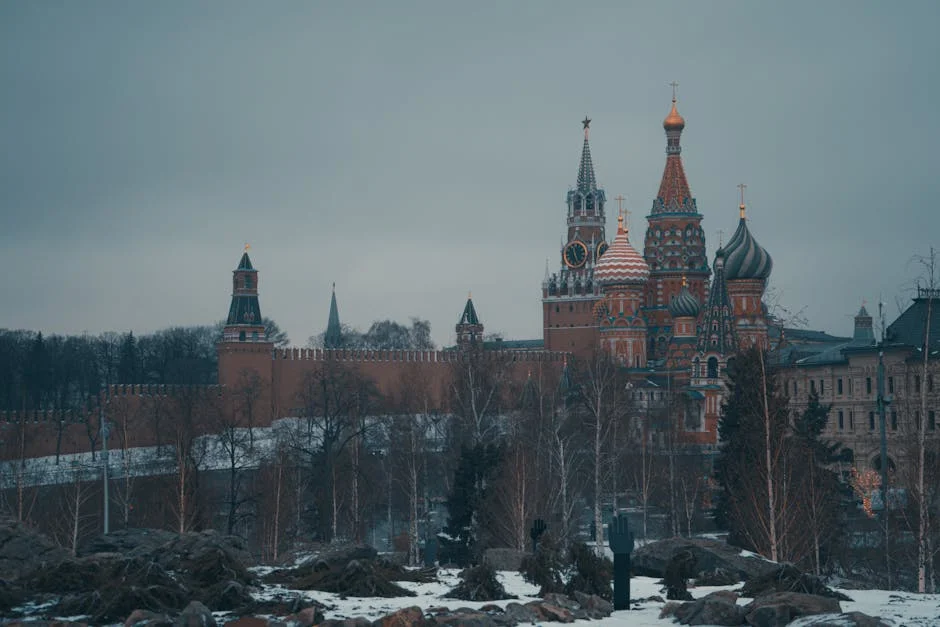
The Kremlin has officially confirmed a major drone strike on Moscow, sending shockwaves through global financial markets and prompting immediate diplomatic alerts. This development marks a significant escalation in the conflict, with direct implications for energy prices, supply chains, and investor sentiment across Europe and beyond. Investors are now bracing for potential volatility as the capital of Russia faces renewed physical threats.
Market Volatility Spikes Following Confirmation
Financial markets reacted swiftly to the news, with Russian equities experiencing sharp fluctuations. The MOEX Russia Index, a key barometer for the local economy, saw immediate movement as traders digested the implications of the attack. This volatility is not confined to Moscow; European markets, particularly in London and Frankfurt, are watching closely for signs of broader instability. The uncertainty surrounding the conflict directly impacts risk appetite among global investors.
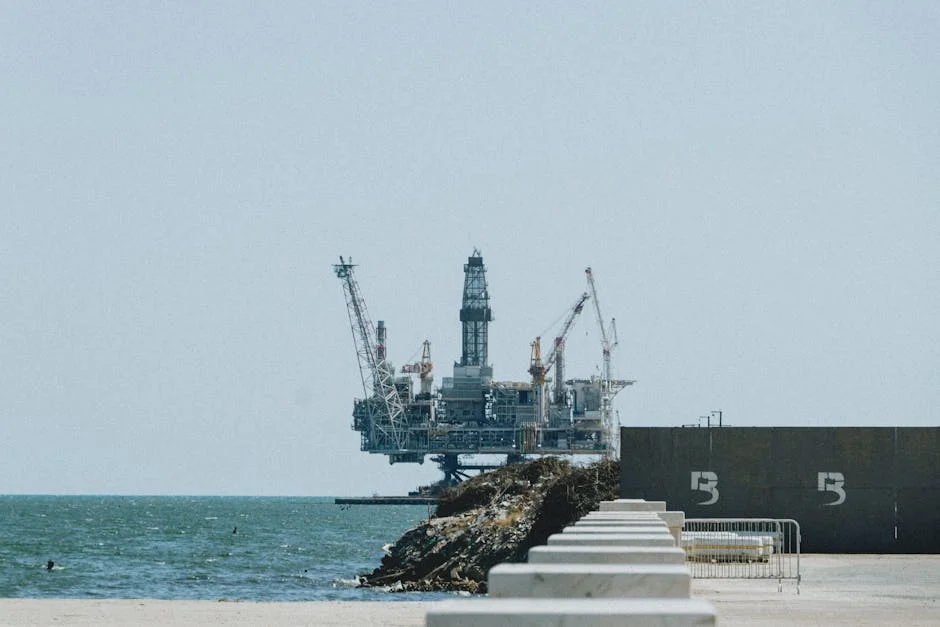
Energy markets are particularly sensitive to developments in Moscow. Any disruption to infrastructure or production facilities in the Russian capital could have ripple effects on oil and gas supplies. Traders are closely monitoring Brent crude prices, which often react to geopolitical tensions in the region. The potential for supply chain disruptions adds another layer of complexity for businesses relying on Russian energy exports. This situation underscores the interconnectedness of global energy markets and the ongoing conflict.
Currency markets are also feeling the pressure. The Russian ruble has shown increased volatility, reflecting investor anxiety about the economic stability of the country. Foreign investors are reassessing their exposure to Russian assets, leading to potential capital outflows. This trend could have long-term consequences for Russia’s ability to attract foreign direct investment. The financial sector remains on high alert as the situation continues to evolve.
Diplomatic Alerts and Geopolitical Tensions

The Kremlin has issued alerts to diplomats, signaling a heightened state of readiness and concern. This move indicates that the attack may have broader geopolitical implications beyond the immediate military impact. Diplomatic channels are likely to be busy in the coming days, with both sides seeking to manage the escalation. The response from Kiev and other international actors will be closely watched by policymakers and market analysts alike. This diplomatic maneuvering adds another dimension to the economic uncertainty.
International relations are becoming increasingly complex as the conflict persists. Countries that have maintained trade ties with Russia are now facing difficult decisions regarding their economic partnerships. Sanctions and counter-sanctions may intensify, affecting a wide range of industries. Businesses operating in Russia or trading with Russian partners must prepare for potential regulatory changes. The geopolitical landscape is shifting, and economic actors must adapt to the new realities.
Impact on International Trade Agreements
Trade agreements between Russia and its key partners are under scrutiny. The attack in Moscow could lead to a reassessment of these agreements, particularly those related to energy and technology. Companies involved in these sectors may face new hurdles, including tariffs and logistical challenges. The uncertainty surrounding trade policies creates a difficult environment for long-term planning. Businesses must remain agile to navigate these potential changes.
The European Union is likely to play a significant role in shaping the response to the escalation. EU members may coordinate their economic strategies to mitigate the impact of the conflict on their economies. This coordination could lead to new trade policies or adjustments to existing ones. Companies operating in Europe need to stay informed about these potential developments. The economic implications of the conflict extend far beyond the borders of Russia and Ukraine.
Business Implications for Global Corporations
Global corporations with a presence in Russia are facing increased operational risks. The attack in Moscow highlights the physical dangers associated with the conflict, affecting everything from logistics to employee safety. Companies must evaluate their risk management strategies and consider potential adjustments to their operations. This includes assessing the resilience of their supply chains and the stability of their local markets. The business environment in Russia is becoming increasingly unpredictable.
Supply chain disruptions are a major concern for many industries. The attack could affect transportation networks, leading to delays in the delivery of goods and raw materials. This is particularly relevant for sectors such as automotive, technology, and consumer goods. Businesses may need to diversify their supply sources to reduce dependence on Russian logistics. The cost of these adjustments will likely be passed on to consumers, contributing to inflationary pressures.
Investor confidence is another critical factor. The uncertainty surrounding the conflict may lead to a more cautious approach to investment in the region. Companies may delay expansion plans or reduce capital expenditures until the situation stabilizes. This cautious stance could have a cooling effect on economic growth in Russia and its trading partners. The long-term impact on business investment will depend on the duration and intensity of the conflict.
Economic Data and Inflationary Pressures
The economic data from Russia and its trading partners will be closely monitored for signs of strain. Inflation is a key metric, as disruptions to supply chains and energy markets can drive up prices. Central banks may need to adjust their monetary policies to respond to these pressures. This could involve interest rate changes or other measures to stabilize the economy. The impact of the conflict on inflation will have far-reaching consequences for consumers and businesses alike.
Employment figures may also be affected by the economic uncertainty. Companies facing operational challenges may freeze hiring or even implement layoffs. This could lead to a rise in unemployment rates, particularly in sectors heavily dependent on Russian trade. The labor market is another area where the economic impact of the conflict will be felt. Policymakers will need to consider these factors when formulating economic strategies.
The balance of trade is another important indicator. A disruption in exports could affect Russia’s trade surplus, impacting its ability to service debt and maintain currency stability. This could have implications for global trade balances, particularly for countries that are major importers of Russian goods. The economic interdependence of nations makes the conflict a global economic issue. Understanding these dynamics is crucial for investors and policymakers.
Investor Strategy in Uncertain Times
Investors are adopting a cautious strategy in response to the escalating conflict. Diversification is key, with many investors looking to spread their risk across different asset classes and regions. This includes moving funds into safe-haven assets such as gold or government bonds. The volatility in the market presents both risks and opportunities for savvy investors. Those who can navigate the uncertainty may find profitable opportunities in undervalued assets.
Long-term investors are reassessing their portfolios to account for the geopolitical risks. This involves evaluating the exposure to Russian markets and the potential for further escalation. Some investors may choose to reduce their holdings in Russian equities or bonds. Others may look for opportunities in sectors that are likely to benefit from the conflict, such as defense or energy. The investment landscape is changing, and strategies must adapt accordingly.
Market analysts are closely watching for signals of stabilization or further escalation. The response from both Kiev and Moscow will be critical in determining the next steps. Investors should remain informed about the latest developments and be prepared to adjust their strategies as needed. The key is to maintain a balanced approach that accounts for both the risks and the opportunities presented by the conflict. This requires a deep understanding of the economic and geopolitical factors at play.
What to Watch Next in Global Markets
The coming weeks will be crucial in determining the long-term economic impact of the conflict. Investors and businesses should monitor several key indicators. These include energy prices, currency fluctuations, and diplomatic developments. The response from international organizations, such as the IMF and the World Bank, will also be significant. These institutions may provide insights into the broader economic implications of the conflict. Staying informed is essential for making informed economic decisions.
Policymakers in Europe and North America will need to coordinate their responses to the escalating tensions. This could lead to new economic policies or adjustments to existing ones. Businesses should be prepared for potential changes in trade regulations or sanctions. The economic landscape is dynamic, and flexibility is key to navigating the uncertainties. The next few months will reveal more about the long-term consequences of the conflict for the global economy. Investors must remain vigilant and adaptable.
See Also
- Marcus North Joins England Selectors — What It Means for Cricket Markets
- Meta Tests Real-Time Status on WhatsApp — Here Is Why It Matters
This could have implications for global trade balances, particularly for countries that are major importers of Russian goods. The long-term impact on business investment will depend on the duration and intensity of the conflict.