One year after a major blackout in Europe, questions arise about the continent's preparedness for future energy disruptions. This incident, which occurred in December 2022, affected millions across multiple countries, including Germany and France. The economic fallout was significant, sparking discussions about energy security and infrastructure resilience.
Impact on European Markets
The blackout exposed vulnerabilities in Europe's energy grid, leading to volatile market reactions. Energy companies saw stock prices fluctuate, with some experiencing sharp declines. A report by the European Energy Agency highlighted that electricity prices surged by 15% in the aftermath, affecting businesses reliant on stable energy costs.
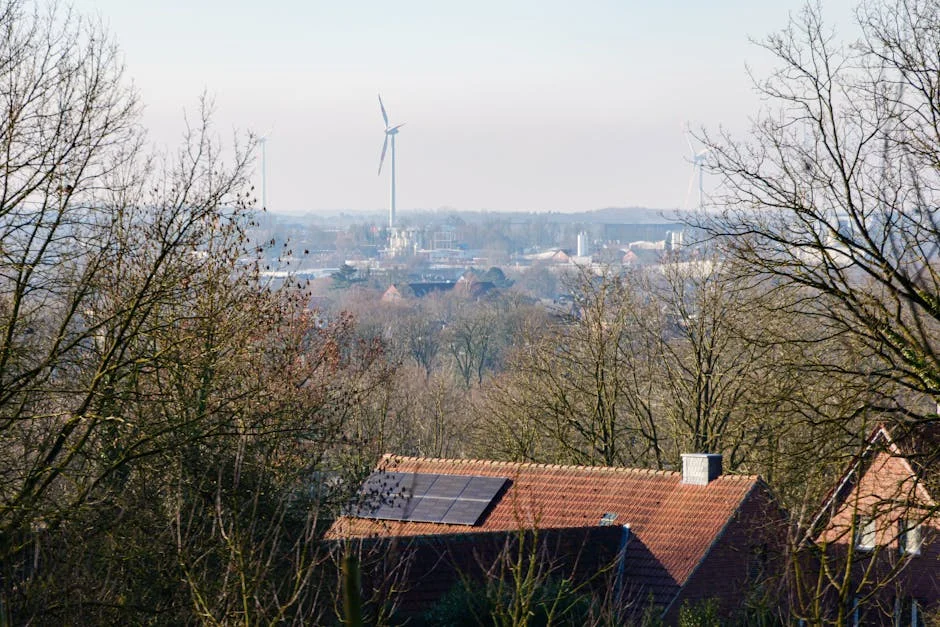
For investors, this instability triggered a reassessment of their portfolios. Many shifted focus towards renewable energy sources, with solar and wind companies seeing increased interest. The blackout underscored the risks associated with outdated infrastructure, prompting a surge in investments aimed at modernising the grid.
Business Implications and Strategic Shifts

Businesses have since adjusted their strategies to mitigate future risks. Companies in the manufacturing and tech sectors, heavily dependent on reliable power, have invested in backup systems and alternative energy solutions. The European Chamber of Commerce reported a 20% increase in corporate spending on energy resilience in the past year.
Long-term Economic Consequences
In the long term, the blackout has accelerated policy changes across Europe. Governments are now prioritising energy reforms, with the European Union setting a target to increase renewable energy capacity by 30% by 2030. This shift is expected to stimulate economic growth, create jobs, and reduce dependency on non-renewable sources.
Lessons Learned and Future Outlook
The blackout served as a wake-up call for Europe, emphasising the need for robust energy strategies. The European Commission is currently drafting new regulations to enhance grid stability and promote cross-border energy cooperation. These measures aim to prevent future disruptions and ensure a reliable energy supply.
Looking ahead, Europe faces the challenge of balancing energy demands with sustainability goals. As the continent moves towards a greener future, investors and businesses must remain vigilant. Key developments to watch include the rollout of new energy policies and the impact of these changes on market dynamics. The coming months will be crucial in determining whether Europe can achieve its energy resilience objectives.
Frequently Asked Questions
What is the latest news about europe faces energy crisis one year after blackout are we prepared?
One year after a major blackout in Europe, questions arise about the continent's preparedness for future energy disruptions.
Why does this matter for economy-business?
The economic fallout was significant, sparking discussions about energy security and infrastructure resilience.Impact on European MarketsThe blackout exposed vulnerabilities in Europe's energy grid, leading to volatile market reactions.
What are the key facts about europe faces energy crisis one year after blackout are we prepared?
A report by the European Energy Agency highlighted that electricity prices surged by 15% in the aftermath, affecting businesses reliant on stable energy costs.For investors, this instability triggered a reassessment of their portfolios.