The alleged custodial death of Akash Delison, a Dalit man, in Tamil Nadu has sparked widespread protests, drawing attention both nationally and internationally. The incident, occurring in early October, has led to significant unrest in the region, with potential implications for India's economic environment.
Protests and Economic Disruption
Tamil Nadu has been a focal point of the protests, with demonstrators demanding justice for Delison's family. This unrest has disrupted local businesses, resulting in an estimated 15% drop in daily economic activity in affected areas. The protests have caused road blockages, hampering the transport of goods and impacting supply chains.
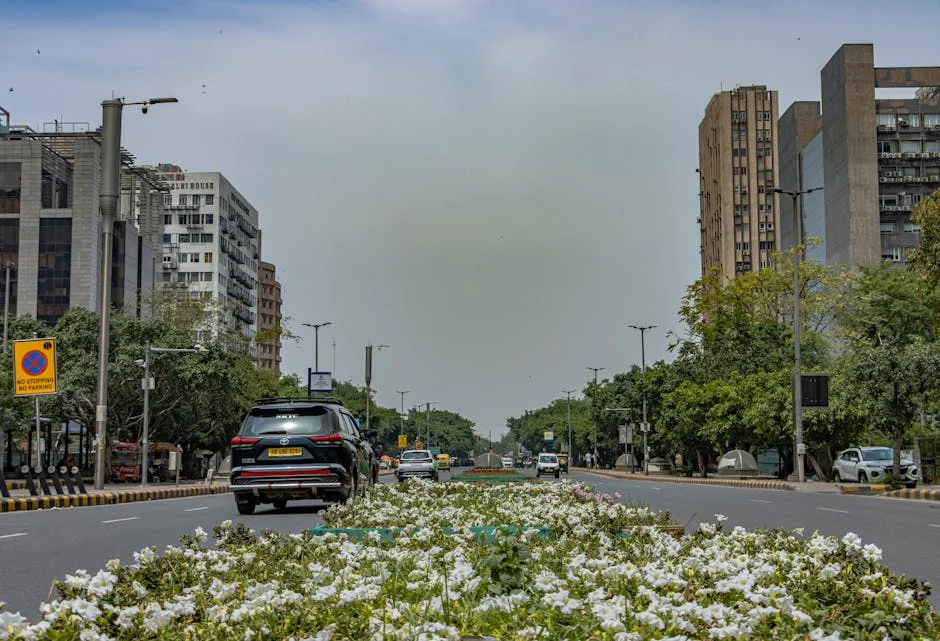
Businesses in Chennai, the state's capital, report a decline in foot traffic as consumers avoid crowded areas amid safety concerns. The hospitality sector, already reeling from pandemic-related challenges, faces additional strain as bookings decline and event cancellations rise.
Investor Confidence Shaken

The unrest has prompted foreign investors to reassess their positions in the Indian market. The Bombay Stock Exchange saw a minor dip of 0.5% as news of the incident and subsequent protests spread. While this is not a significant plunge, it reflects a cautious stance by investors wary of prolonged instability.
India's reputation as a stable destination for foreign investment is crucial for its economic growth. Analysts suggest that continued turmoil in Tamil Nadu could deter potential investors, affecting sectors such as technology and manufacturing where foreign capital is pivotal.
Government Response and Policy Implications
The Indian government, led by Prime Minister Narendra Modi, has called for a thorough investigation into the incident. However, the delay in providing conclusive findings has exacerbated public anger. Policymakers face mounting pressure to address caste-related inequalities that contribute to such incidents.
Economic policy experts warn that failure to address systemic issues could lead to long-term effects on India's economic landscape. The need for reforms in policing and justice systems is becoming increasingly apparent, as businesses weigh the risks of operating in volatile environments.
Looking Ahead: Potential Impact on Growth
The upcoming regional elections in Tamil Nadu could serve as a barometer for the public's sentiment towards the current administration's handling of the incident. The outcome may influence India's economic policies, particularly regarding social justice and equality.
Observers and investors will be closely monitoring developments, particularly any policy changes or reforms announced in response to the situation. As the events unfold, the international community's perception of India's business environment will be critical in shaping future investment flows.