The National Freedom Party (NFP) has made headlines by reversing its decision to expel Mbali Shinga, a prominent political figure. This unexpected reversal has occurred in Natal, raising questions about the party's internal dynamics and its potential economic implications. The decision comes after significant pressure from party supporters who believe Shinga plays a crucial role in the party's strategy.
Impact on Local and National Markets
The political stability of the NFP, particularly in Natal, is essential for maintaining investor confidence in the region. The reversal of Shinga's expulsion is expected to stabilise the NFP's internal politics, which could, in turn, enhance market stability. Past political upheavals in the region have led to fluctuating investor confidence, impacting local businesses negatively.
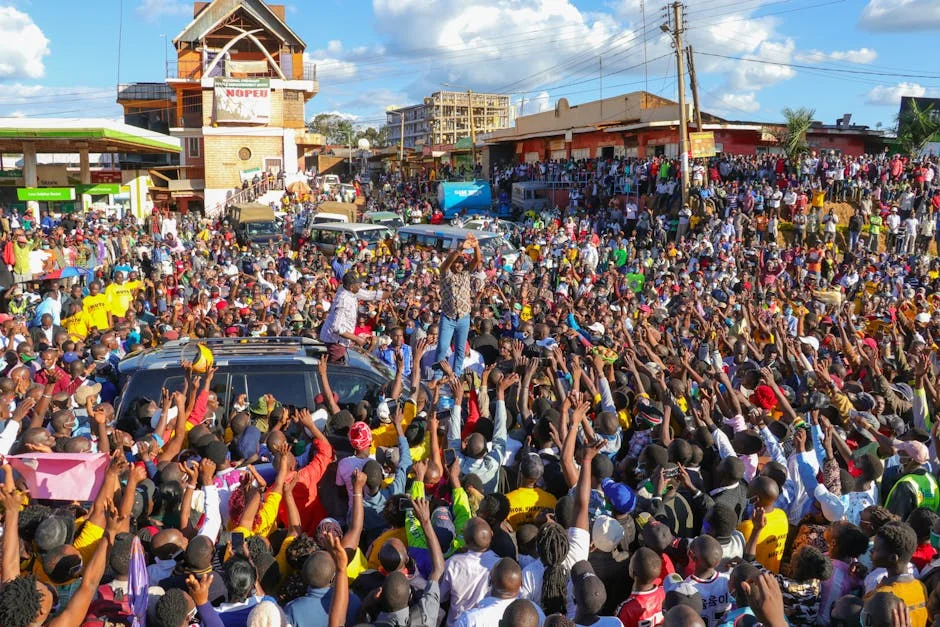
Analysts are keenly observing how this development could influence the NFP's policy decisions moving forward. The party's policies have direct effects on various sectors, including agriculture and tourism, which are vital to Natal's economy. Political stability within the party may lead to more consistent economic policies, thereby attracting investment.
Consequences for Businesses and Investors


Sector-Specific Impacts
The NFP's policies, particularly those impacting infrastructure and resource management, are crucial for business operations in Natal. With Mbali Shinga reinstated, there might be an increased focus on improving these areas. This could benefit sectors like transport and logistics, which are heavily reliant on political and economic stability.
Investors are particularly interested in how this political resolution might affect long-term projects in the region. Infrastructure projects, for instance, often require stable political environments to progress effectively. Shinga's involvement might reassure investors about the continuity and completion of such projects.
Broader Economic Implications
While the NFP's internal dynamics might seem localised, the implications could extend beyond Natal. The party's influence on national policies could affect economic conditions in broader South Africa. Businesses operating nationwide are monitoring these developments closely to assess how shifts in the NFP's focus might alter the economic landscape.
Moreover, the NFP's position on national issues such as trade and foreign investments could be influenced by Shinga's return. This may impact South Africa's international economic relations, influencing how foreign businesses perceive investment risks and opportunities in the region.
What to Watch Next
As the NFP navigates its next steps, all eyes will be on their upcoming policy announcements. Investors and businesses should watch for any shifts in policy direction, especially regarding economic reforms. Additionally, further developments in Mbali Shinga's role within the party could signal changes in strategic priorities.
Looking ahead, the NFP's annual conference, scheduled for early next year, will be a critical event. This will likely reveal the party's long-term strategies and how Shinga's reinstatement will influence future economic and political decisions.