The United Arab Emirates (UAE) has announced its decision to withdraw from the Organisation of the Petroleum Exporting Countries (OPEC), a move that could send ripples through global oil markets. The decision was revealed earlier this week, with UAE officials citing a commitment to maintaining global market stability as a key reason for their departure.
UAE's Strategic Decision
The UAE's exit from OPEC, a consortium it has been part of since 1967, marks a dramatic shift in the region's energy dynamics. According to UAE Energy Minister Suhail Al Mazrouei, the decision aims to allow the country to independently tailor its oil production strategies to better suit its economic goals.
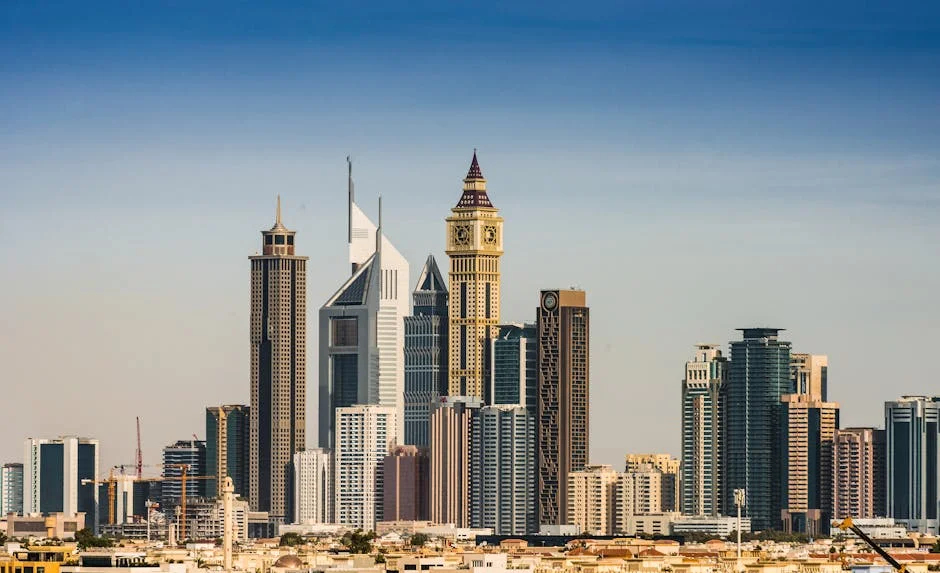
This development comes as global oil prices hover around $85 per barrel, a figure influenced by supply constraints and geopolitical factors. The UAE, one of the top ten oil producers in the world, plans to leverage its vast reserves to stabilise and potentially increase its output, aiming to capture a more significant share of the market.
Potential Market Impacts


Investor Reactions
Investors are closely monitoring the situation, as the UAE's independent production strategy could lead to fluctuations in oil prices. The immediate market reaction saw a slight uptick in prices, with Brent crude rising by 2% following the announcement.
Analysts at Goldman Sachs suggest that the UAE's departure could introduce volatility in the market, as other OPEC members might adjust their production quotas in response. This development could affect global supply chains and influence energy prices worldwide.
Business Implications
For businesses reliant on oil imports, the UAE's decision could lead to changes in supply contracts and pricing structures. Companies in energy-intensive industries such as transportation and manufacturing may need to reassess their cost strategies in light of potential price increases.
On the other hand, the UAE's commitment to maintaining stability might reassure some market participants, expecting the nation to avoid actions that could drastically disrupt global supply.
OPEC's Position and Future Prospects
OPEC, headquartered in Vienna, Austria, has been a pivotal player in setting oil prices through coordinated production quotas among its member countries. The UAE's exit could challenge the organisation's influence, prompting it to rethink its strategies to maintain unity and effectiveness.
In response to the UAE's decision, OPEC Secretary-General Haitham Al-Ghais has emphasised the importance of cooperation among member states to ensure the global oil market remains balanced. The organisation may seek to engage in dialogue with the UAE to mitigate any adverse effects on the market.
What to Watch Next
The global energy community will be observing how OPEC adjusts its production strategies in the wake of the UAE's departure. Any shifts in output from other member countries could lead to further price changes, impacting economies worldwide.
Additionally, market analysts will focus on the UAE's next steps regarding its oil production policies. As the country seeks to strengthen its position in the global energy market, its actions could set a precedent for other oil-producing nations considering similar moves.
See Also
- Classic Teams Edge Closer to Extinction as Hacemos Faces Major Challenges
- Nigeria Cyberattacks Surge 300% — Digital Economy Investors Reassess $4.5 Billion at Risk
Any shifts in output from other member countries could lead to further price changes, impacting economies worldwide.Additionally, market analysts will focus on the UAE's next steps regarding its oil production policies. The UAE's exit could challenge the organisation's influence, prompting it to rethink its strategies to maintain unity and effectiveness.In response to the UAE's decision, OPEC Secretary-General Haitham Al-Ghais has emphasised the importance of cooperation among member states to ensure the global oil market remains balanced.
What is the latest news about uae exits opec could this disrupt global oil markets?
Why does this matter for economy-business?
What are the key facts about uae exits opec could this disrupt global oil markets?